
Meniscus Tear Treatment in NJ – Clifton PT
Clifton Physical Therapy
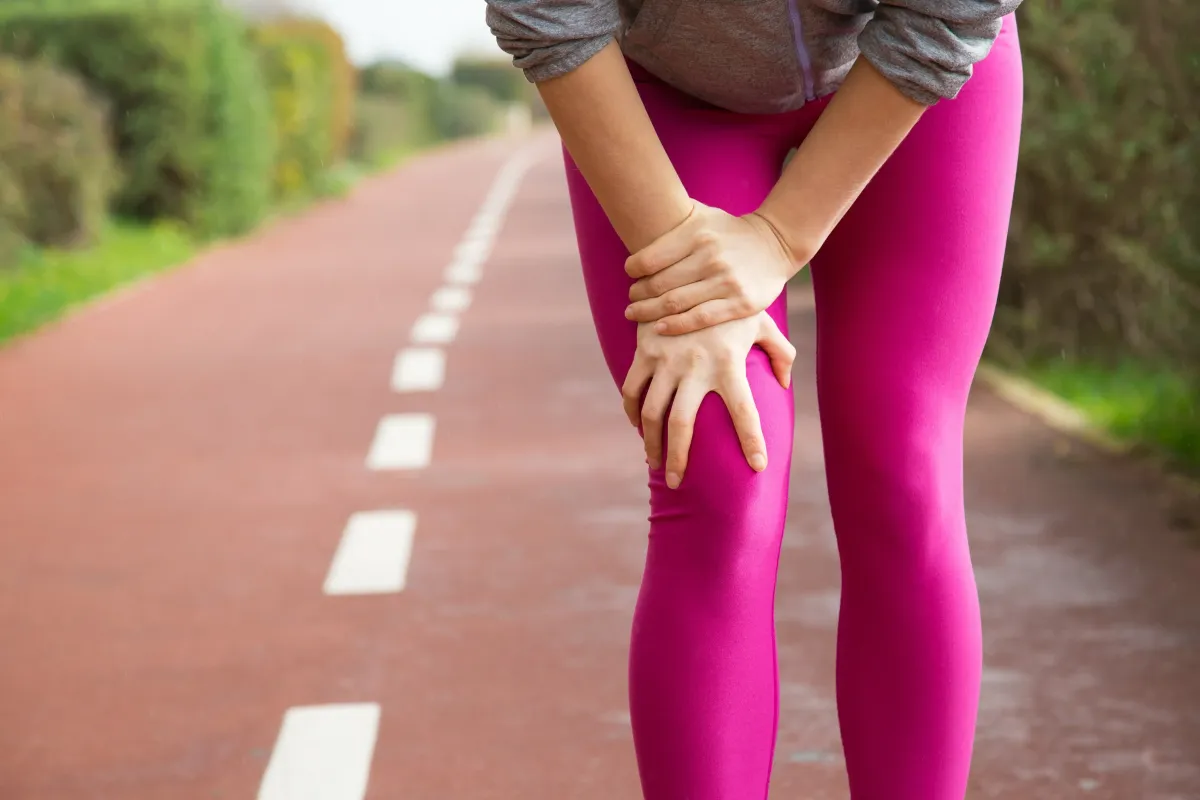
What Is a Meniscus Tear?
A meniscus tear is a common knee injury that affects the cartilage cushions in your knee. These cushions, called menisci, sit between your thighbone (femur) and shinbone (tibia), acting as shock absorbers. They help your knee move smoothly while reducing stress on your bones.
Meniscus tears can happen suddenly, often during sports or physical activity, when the knee twists or rotates unexpectedly. In older adults, natural wear and tear or arthritis can weaken the cartilage, making it easier to tear even with minor movements.
Types of Meniscus Tears
Each knee has two menisci: one on the inner side and one on the outer side. The location of the tear helps determine the best treatment approach:
Medial meniscus tear (occurs on the inner side of the knee.)
Lateral meniscus tear (occurs on the outer side of the knee.)
Understanding the type and severity of the tear allows our physical therapists to design exercises and therapy programs that restore knee strength, mobility, and stability effectively.
How Common Are Meniscus Tears?
Meniscus tears are one of the most frequent knee injuries among active adults and athletes. Sports that involve pivoting, twisting, or sudden stops—like basketball, soccer, tennis, or football—significantly increase the risk. Degenerative tears, which develop gradually due to aging or arthritis, are also common in older adults. In the United States, approximately 61 people per 100,000 experience meniscus tears each year.
If you live in New Jersey and experience knee pain, swelling, or instability, a meniscus injury may be the cause. Early evaluation and treatment can prevent worsening damage and help you return to daily activities more comfortably.
Symptoms and Causes
How to Recognize a Meniscus Tear
Meniscus tears often produce a sudden “pop” at the time of injury. Common symptoms include:
Pain, stiffness, or swelling in the knee
Difficulty fully bending or straightening the knee
Feeling that the knee may “give way” during movement
Causes of Meniscus Tears
Acute tears: Typically occur from a sudden twist while your foot is planted, often during sports.
Degenerative tears: Develop gradually due to cartilage wear, age, or arthritis.
Diagnosis and Tests
If you suspect a meniscus tear, an accurate diagnosis is crucial for effective treatment. At Clifton Physical Therapy, our team starts with a thorough physical examination, assessing swelling, tenderness, and range of motion. Specific tests, like the McMurray or Thessaly test, can help identify meniscus damage.
Imaging may also be used to confirm the injury. X-rays help rule out fractures, while an MRI provides detailed views of the cartilage and soft tissues. In some cases, a doctor may recommend knee arthroscopy, a minimally invasive procedure where a small camera examines—and sometimes treats—the tear directly. Accurate diagnosis ensures a personalized treatment plan that promotes faster recovery and reduces the risk of long-term complications.
Physical Therapy for Meniscus Tears
Physical therapy is often the first line of treatment, especially for small or degenerative tears. Our specialists at Clifton Physical Therapy develop customized rehabilitation programs that aim to:
Strengthen the knee and surrounding leg muscles
Restore full range of motion
Improve stability and prevent further injury
Physical Therapy Exercises for Meniscus Tears
Physical therapy is essential for restoring strength, stability, and flexibility after a meniscus tear. A structured exercise program helps your knee recover safely, whether you are managing a tear conservatively or following surgery.
Range of Motion Exercises
Improving your knee’s ability to bend and straighten is the first step in rehabilitation. Heel slides help increase flexion by gently sliding your heel toward your buttocks while lying on your back, then returning to a straight leg. Prone hangs improve knee extension by letting gravity straighten your leg while lying on your stomach. These exercises reduce stiffness and restore normal movement without stressing the joint.
Quadriceps and Leg Strengthening
Strong quadriceps support the knee and stabilize the joint. Common exercises include:
Quad Sets (pressing the back of your knee into a rolled towel while tightening your thigh muscles.)
Short Arc Quads (lifting your knee over a small support like a rolled towel or ball while tightening the quadriceps.)
Straight Leg Raises (lifting a straight leg while keeping the knee fully extended to strengthen the thigh and hip muscles.)
These exercises are usually performed slowly and carefully, focusing on proper muscle activation. Strong quads help protect the meniscus and improve knee alignment during daily activities.
Hip and Glute Strengthening
Hip and glute muscles play a key role in knee stability. Weak hips can cause your knees to move out of proper alignment, increasing stress on the meniscus. Exercises such as side leg raises, single-leg bridges, and ball bridges target the gluteus medius and maximus, improving support for the knee and enhancing overall lower body strength.
Mini Squats
Modified mini squats help rebuild functional strength safely. By bending the knees to about 45 degrees while keeping weight evenly distributed, these exercises strengthen the thighs and improve stability without overloading the joint.
Balance and Proprioception
Meniscus injuries can affect your body’s sense of position, making balance exercises an important part of rehabilitation. Activities like single-leg stance, using a BOSU ball, or working on a BAPS board train your joints and muscles to communicate effectively with your brain. These exercises reduce the risk of future injuries by improving coordination and control.
Plyometrics and Neuromuscular Training
Once strength, motion, and balance improve, plyometric exercises help retrain safe movement patterns for running, jumping, and sports. Examples include single-leg hops, jump lunges, and lateral hops. These exercises teach your knee to absorb impact and move efficiently, reducing stress on the meniscus during high-intensity activity.
Low-Impact Cardiovascular Exercise
Stationary biking is often incorporated into meniscus rehabilitation. Cycling improves knee range of motion, builds muscular endurance in the legs, and limits stress compared to high-impact activities like running. Your physical therapist will adjust resistance and duration based on your comfort and progress, usually starting with 20–30 minutes per session.
How Long Does Physical Therapy Take for a Meniscus Tear?
The duration of physical therapy depends on the severity of the meniscus tear. For smaller tears, a program of four to eight weeks is often sufficient to restore strength and mobility. Larger or more complex tears may require eight weeks or more of guided therapy to ensure full recovery and prevent further injury.
Call us today at (973)-922-9659 to schedule an appointment.
What patients are saying
"I recently had ankle surgery and Clifton PT has been nothing short of amazing! My goal was to get back to playing soccer as quick as possible before the college season started and so far I'm right on track. Izzy, Bianca, Tiff, and John have gone above and beyond to make sure I'm back to 100%. Couldn't be more grateful to be treated by the best team ever!." - Nat Rufino

All the therapists at Clifton Physical Therapy are awesome, but I spend most of my time with Izzy and Bianca—and they’ve been amazing. They’re enthusiastic, knowledgeable, and always take the time to explain what I’m doing and what my issues are. Their positive energy and clear communication make a big difference in my recovery." - Bryan Tompkins
"Going Clifton physical therapy was one of the best thing that came out of my back pain! Every single staff member is amazing and cares for your recovery! I have been with them for the past couple of months and now continuing their workout program! I can’t recommend them enough! Tiffany, Izzy, Bianca and everyone else I have worked with there! Can’t rave about them enough!!." - Monica Mehta
"Clifton Physical Therapy has been a great place for me to heal my meniscus tear. The staff is very knowledgeable and friendly, and has been extremely helpful in guiding me through my recovery. I highly recommend their services.." - Kelly Bevando
Clifton Physical Therapy
✆ Phone (appointments): (973)-241-1338
Address: 1059 Bloomfield Ave, Clifton, NJ 07012
Clifton Physical Therapy | cliftonphysio.com


