Back Pain Physical Therapy in Clifton, NJ
Clifton Physical Therapy
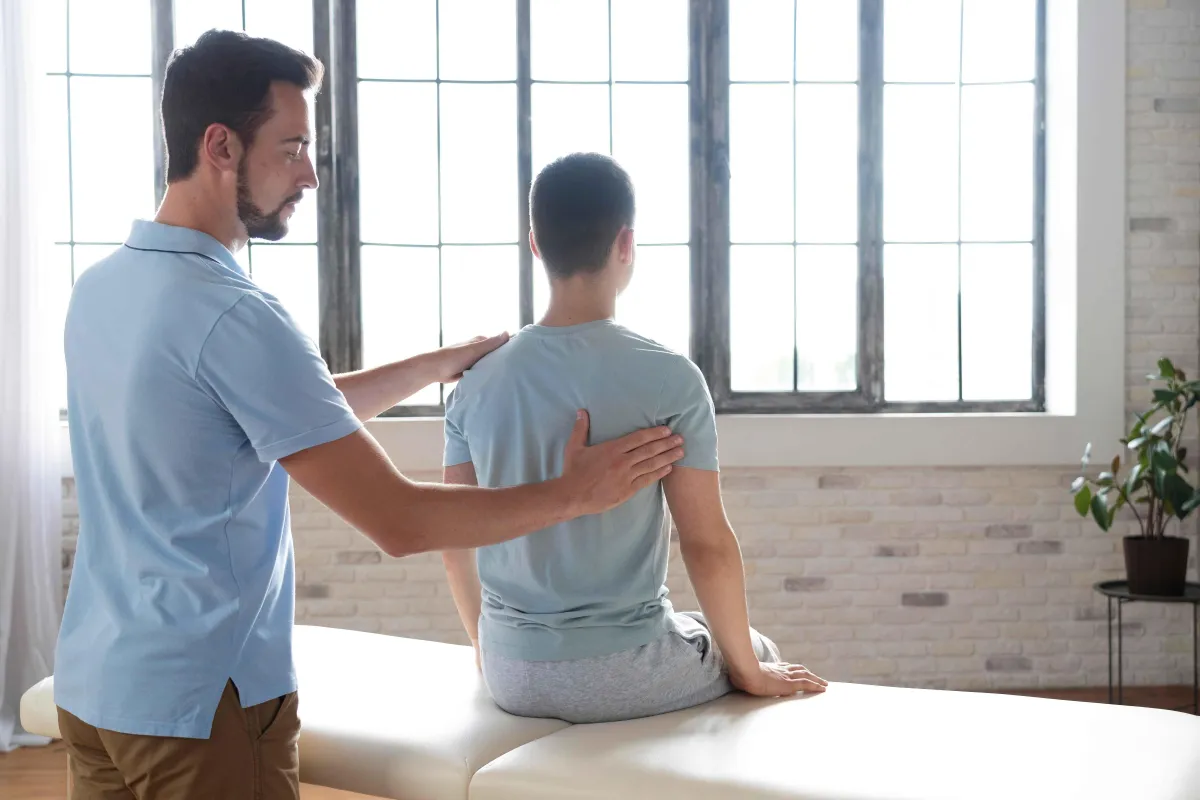
Physical therapy treats back pain by finding what's irritating your spine, calming it down, and then building the strength and movement habits that keep it from coming back. Most back pain improves without surgery. At Clifton Physical Therapy, every session is one-on-one, and you can book without a referral in New Jersey. Call (973)-241-1338 to schedule your initial consultation at Clifton Physical Therapy.
What causes lower back pain?
Most lower back pain comes from muscles, joints and discs being asked to do more than they're ready for: a heavy lift, a weekend of yard work, long days sitting, or simply being less active than usual. Sometimes there's no clear trigger. A smaller number of cases involve an irritated nerve, which is when pain travels into the buttock or leg.
Common Back Injuries and Conditions
Our specialists use advanced techniques and modern rehabilitation methods to help patients recover from neck (cervical), mid-back (thoracic), and lower back (lumbar) conditions.
We address a wide range of back problems, including:
Acute low back pain (ALBP)
Chronic low back pain (CLBP)
Arthritis and osteoarthritis
Bone spurs
Degenerative disc disease
Facet joint syndrome
Herniated or bulging discs
Joint dysfunction
Lower Cross Syndrome (LCS)
Lumbar disc herniation (LDH)
Muscle strains or sprains
Nerve compression or pinched nerves
How physical therapy treats back pain
We start by working out which movements ease your pain and which ones flare it. Early on, that means hands-on treatment and gentle exercise to settle things down. Then we build strength in the hips, trunk and legs and practice the things you actually do every day, like bending, lifting and sitting at work. You'll get a home program you can keep using after discharge.
Exercises that often help
Walking, knee-to-chest stretches, bridges, bird dogs and gentle press-ups are common starting points. Which ones are right depends on your pain pattern; some exercises that help one person make another person worse. We'll pick yours after the evaluation.
Types of Physical Therapy We Offer
Electrical Muscle Stimulation
Electrical Muscle Stimulation (EMS) is an effective technique used to assist the body’s natural healing process. It involves sending a gentle electrical current into injured or tight soft tissues. This mild stimulation helps reduce swelling, release trigger points, and relax tense muscles by encouraging the body to release natural pain relievers known as endorphins.
EMS is particularly useful for muscle spasms in the back or neck. The treatment helps muscles return to their normal state quickly, easing discomfort and promoting faster recovery. Short sessions can significantly improve healing in both acute and chronic pain conditions.
Interferential Electro-Therapy
Interferential Electro-Therapy is designed to relieve pain, spasms, and soft tissue injuries through low-frequency electrical stimulation. The treatment is comfortable and noninvasive, providing a soothing experience for most patients.
This therapy supports the body’s natural healing process by stimulating endorphin production and improving circulation in affected areas. It’s commonly used to reduce muscle tension, enhance tissue recovery, and ease pain from sprains or inflammation.
Cold Pack Therapy
Cold pack therapy, also known as cryotherapy, helps manage pain and swelling by cooling the affected area. The reduced temperature slows down blood flow, which minimizes inflammation and numbs sore tissues. This therapy can be administered using cold packs, ice massage, coolant sprays, or cold-water baths.
Cold therapy is particularly effective for injuries accompanied by swelling, especially around joints or tendons. It’s a key component of the R.I.C.E. method—Rest, Ice, Compression, and Elevation—often recommended for home care after an acute injury.
To prevent skin damage, cold packs should always be wrapped in a thin towel before application. For fresh injuries caused by falls, twists, or direct impacts, applying cold immediately helps control bleeding, inflammation, and pain while supporting tissue recovery.
Hot Pack Therapy
Hot pack therapy provides gentle heat that relaxes tight muscles, improves flexibility, and reduces pain caused by tension or spasms. Heat therapy increases blood flow to the affected area, delivering oxygen and nutrients that support tissue repair while flushing away waste products that contribute to soreness.
Moist heat packs offer deeper, more soothing warmth than dry heating pads. This helps loosen stiff muscles and joints, improve mobility, and promote healing after injury. Heat therapy is particularly helpful during recovery stages when inflammation has subsided and tissues need relaxation and nourishment.
Contrast Therapy
Contrast therapy alternates between hot and cold treatments to stimulate circulation and reduce swelling. This method typically involves switching between heat and ice packs or immersing the injured area in warm and cold baths. Each cycle lasts one to three minutes, and a complete session usually takes about 15–20 minutes.
The alternating temperatures cause the blood vessels to open and close rapidly, creating a natural pumping effect that flushes out inflammation and promotes healing. The treatment usually ends with cold therapy to prevent renewed swelling, though chronic conditions may sometimes finish with heat to relax tight muscles.
Contrast therapy is especially useful a few days after an injury when active inflammation has reduced. It helps clear residual swelling, enhances blood flow, and improves recovery without strain.
Myofascial Release
Myofascial release is a gentle, hands-on therapy that targets restrictions in the fascia—the connective tissue surrounding muscles and organs. Through sustained pressure applied directly to the skin, this technique releases tension, improves mobility, and reduces pain.
Restrictions in the fascia can develop due to injury, poor posture, repetitive movements, inflammation, or surgery. These restrictions can cause stiffness, joint misalignment, or chronic discomfort. Myofascial release helps restore normal movement by softening these tight tissues and improving circulation to the affected area.
Manual Traction
Manual traction is a spinal therapy technique used to relieve pressure on intervertebral discs and nerves. By gently stretching the spine, this method helps decompress discs, allowing the soft tissue inside to return to its proper position.
This decompression can significantly reduce nerve irritation, relieve pain, and restore proper spinal alignment. Manual traction also encourages rehydration of spinal discs, promoting long-term spinal health and mobility.
Functional Rehabilitation
Functional rehabilitation focuses on restoring the body’s ability to perform complex, real-world movements after injury. Unlike standard physical therapy, which often emphasizes strength and flexibility, functional rehabilitation integrates balance, coordination, and agility training.
This approach helps individuals transition from basic movements like walking or jogging to more advanced, sport-specific activities. The program is customized to each person’s needs and progresses gradually to prevent re-injury.
Before returning to sports or physically demanding activities, patients undergo functional assessments that simulate real movement patterns. This ensures the body is ready for full performance without compromising safety. Gradual progression and continuous evaluation are key to a successful recovery and sustained physical health.
When Should You Seek Treatment for Back Pain?
Back pain is common, but it shouldn’t be ignored—especially if it lasts longer than a few days or interferes with your routine. You should consider seeing a physical therapist if you experience:
Persistent pain that doesn’t improve with rest
Pain radiating down your leg (possible sciatica)
Stiffness or limited range of motion
Pain after prolonged sitting or standing
Weakness, tingling, or numbness in your lower body
Recurring flare-ups despite medication or rest
See a doctor right away if back pain comes with loss of bladder or bowel control, numbness in the groin, worsening leg weakness, fever, or follows a fall or accident.
Who Leads the Back Pain Physiotherapy at Clifton Physical Therapy?
At Clifton Physical Therapy, Tiffany Zarcone, PT, DPT, serves as the Clinical Director and leads the back pain rehabilitation program. With advanced expertise in orthopedic rehabilitation, sports training, and women’s health, she designs evidence-based treatment plans that help patients return to their best form.
Dr. Zarcone earned her Doctorate in Physical Therapy from Columbia University and completed her undergraduate degree at Middlebury College, where she captained the varsity soccer team. Her athletic background gives her an exceptional understanding of biomechanics, injury recovery, and performance optimization.
Frequently Asked Questions
What causes lower back pain?
Most often strained muscles, irritated joints or discs from lifting, long sitting or a sudden increase in activity. Sometimes there's no single cause. Less often a nerve is involved, which can send pain down the leg.
How does physical therapy treat back pain?
We calm the pain first with hands-on care and gentle movement, then build strength and better movement habits so it's less likely to return. You'll also get exercises to do at home.
How long does back pain take to heal?
Many acute episodes improve noticeably within a few weeks. Pain that has lasted for months usually takes longer and needs a more gradual plan. We'll give you a realistic estimate after your first visit.
What exercises help lower back pain?
Walking, bridges, bird dogs, knee-to-chest stretches and gentle press-ups help many people. The right ones depend on what eases or worsens your pain, so it's worth getting them chosen for you.
Is walking good for back pain?
For most people, yes. Short, regular walks keep the spine moving and usually help more than bed rest. Start with what you can manage comfortably and build up.
How do you get rid of nerve pain in your back?
Nerve pain often settles with time, movement, and exercises that take pressure off the irritated nerve. Avoid long periods of sitting. If you have numbness, weakness or pain that keeps getting worse, get evaluated.
Will a back brace help upper back pain?
A brace can feel supportive for a short time, but it doesn't fix the cause and long-term use can weaken the muscles that support your spine. Strengthening and posture work are usually more useful. Ask your provider before using one.
When should I see a doctor for back pain?
Right away if you have loss of bladder or bowel control, numbness in the groin, worsening leg weakness, fever, or pain after a fall or accident. Also see a doctor if pain doesn't improve after a few weeks.
Can physical therapy help me avoid back surgery?
Many people with back pain, including disc problems, improve with physical therapy and never need surgery. It isn't right for every case, and we'll tell you if we think you need to see a surgeon.
Do I need a referral for back pain physical therapy in NJ?
No. New Jersey allows direct access to physical therapy. Check whether your insurance plan has its own rules.
Where are you located?
1059 Bloomfield Ave, Clifton, NJ 07012. Call 973-241-1338.
What are your hours?
Monday to Thursday 9 am to 7 pm, and Friday 9 am to 5 pm.
What patients are saying
"I recently had ankle surgery and Clifton PT has been nothing short of amazing! My goal was to get back to playing soccer as quick as possible before the college season started and so far I'm right on track. Izzy, Bianca, Tiff, and John have gone above and beyond to make sure I'm back to 100%. Couldn't be more grateful to be treated by the best team ever!." - Nat Rufino

All the therapists at Clifton Physical Therapy are awesome, but I spend most of my time with Izzy and Bianca—and they’ve been amazing. They’re enthusiastic, knowledgeable, and always take the time to explain what I’m doing and what my issues are. Their positive energy and clear communication make a big difference in my recovery." - Bryan Tompkins
"Going Clifton physical therapy was one of the best thing that came out of my back pain! Every single staff member is amazing and cares for your recovery! I have been with them for the past couple of months and now continuing their workout program! I can’t recommend them enough! Tiffany, Izzy, Bianca and everyone else I have worked with there! Can’t rave about them enough!!." - Monica Mehta
"Clifton Physical Therapy has been a great place for me to heal my meniscus tear. The staff is very knowledgeable and friendly, and has been extremely helpful in guiding me through my recovery. I highly recommend their services.." - Kelly Bevando
Clifton Physical Therapy
✆ Phone (appointments): (973)-241-1338
Address: 1059 Bloomfield Ave, Clifton, NJ 07012
Clifton Physical Therapy | cliftonphysio.com


