Physical Therapy for Knee Pain in Clifton, NJ
Clifton Physical Therapy
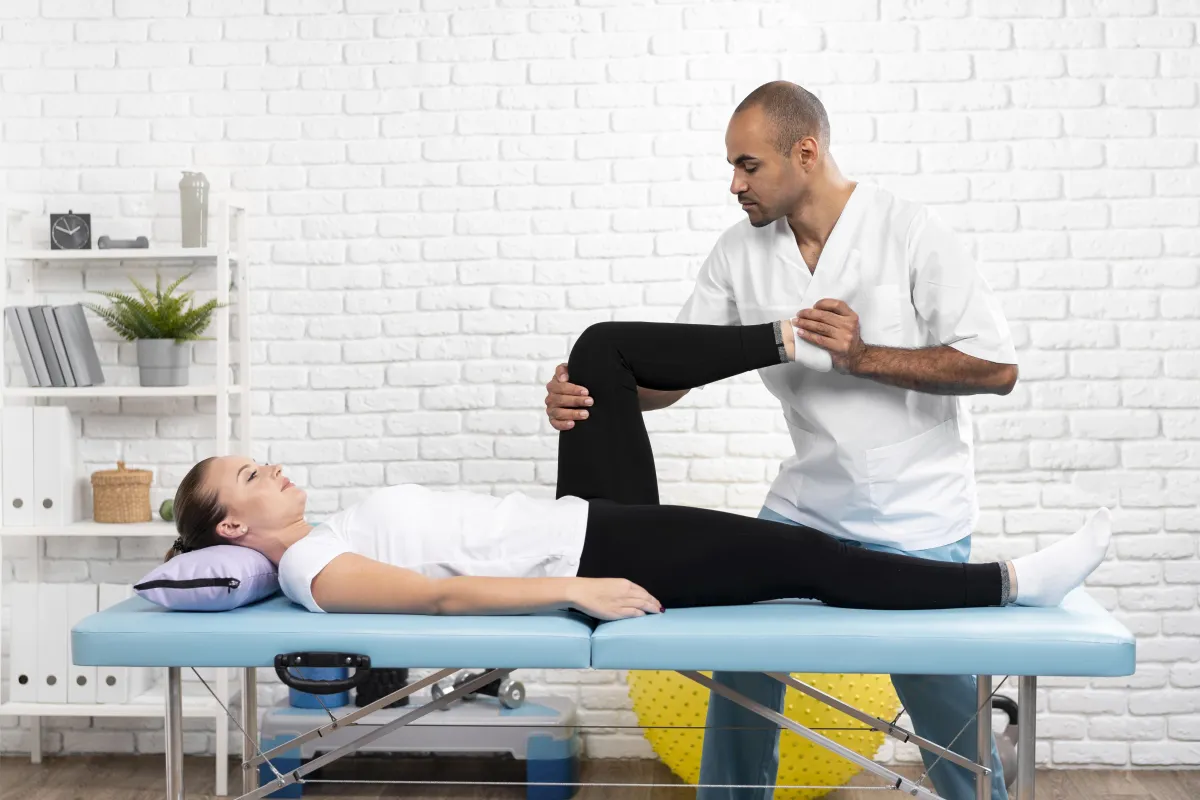
Physical therapy helps knee pain by strengthening the muscles around the knee, restoring motion, and adjusting the activities that keep aggravating it. It's a common first treatment for arthritis, meniscus and ligament injuries, and runner's knee. At Clifton Physical Therapy, sessions are one-on-one, and New Jersey lets you start without a referral. At Clifton Physical Therapy, we specialize in personalized physiotherapy programs designed to restore movement, relieve pain, and help you get back to doing what you love.
Under the guidance of Tiffany Zarcone, PT, DPT, our Clinical Director, each treatment plan is tailored to your specific condition and recovery goals.
What Is Physiotherapy and How Does It Help Knee Pain?
Physiotherapy is a medically guided approach to restoring physical function through movement, exercise, and specialized manual techniques. For knee pain, it aims to strengthen the muscles around the joint, improve flexibility, reduce inflammation, and enhance overall stability.
At Clifton Physical Therapy, our team uses a combination of targeted exercises, manual therapy, and modern modalities—such as ultrasound, electrical stimulation, and heat or cold therapy—to support faster healing. Each session is designed to promote proper movement mechanics while reducing strain on your knee joint.
Whether your pain stems from a sports injury, post-surgical recovery, or a chronic degenerative condition, physiotherapy can effectively manage symptoms and help prevent future knee issues.
Why Might You Need Physiotherapy for Your Knee?
Knee physiotherapy is often recommended when pain or stiffness limits your movement or when daily activities—such as walking, squatting, or standing up from a chair—become difficult. You may benefit from physiotherapy if you experience:
Persistent pain or swelling in the knee
Stiffness or reduced range of motion
Weakness or instability in the leg
Grinding or clicking sensations in the joint
Pain following surgery or an injury
What causes knee pain without an injury?
Most knee pain without a clear injury is an overload problem: a jump in activity, weak hip and thigh muscles, or arthritis. The joint behind the kneecap is often involved, which is why stairs, squats and long sitting can hurt.
Common Physiotherapy Exercises for Knee Pain
Exercises form the foundation of most knee pain rehabilitation programs. At Clifton Physical Therapy, our specialists customize your exercise plan based on your condition and comfort level. Below are some examples of exercises commonly included in a knee physiotherapy routine:
1. Straight Leg Raise
Lie on your back with one knee bent and the other leg straight. Slowly lift the straight leg to the height of the bent knee, hold for a few seconds, and lower it gently. This strengthens your quadriceps and supports the knee joint.
2. Step-Ups
Using a low step or stair, step up with your affected leg and bring the other leg to meet it. Step down and repeat. This exercise improves balance, coordination, and leg strength.
3. Mini Squats
Stand with your feet shoulder-width apart and hold onto a chair or counter for support. Gently bend your knees to a 45-degree angle, keeping your knees behind your toes, then return to standing. Mini squats build stability and strengthen key muscles supporting the knee.
4. Knee Extensions
While seated at the edge of a chair, straighten your leg and hold it for 10-15 seconds before lowering it back down. This helps maintain mobility and reduces stiffness.
5. Ankle Pumps
Sit with your legs extended and move your feet forward and backward in a pumping motion. This exercise encourages blood flow and reduces swelling after an injury or surgery.
Each exercise is performed under the supervision of our licensed physiotherapists to ensure correct form and prevent strain.
See How Runner’s Knee May Be Treated Without Quitting Running
Watch a quick breakdown of physical therapy strategies that may help reduce patellofemoral pain while supporting a return to running.
Advanced Physiotherapy Techniques for Knee Pain
At Clifton Physical Therapy, our approach goes beyond simple exercises. We use advanced physiotherapy techniques and evidence-based treatments to accelerate your recovery and reduce pain effectively. Depending on your diagnosis and progress, your treatment plan may include:
1. Manual Therapy
Our therapists use hands-on techniques such as soft tissue massage, joint mobilization, and myofascial release to ease stiffness, improve circulation, and restore normal movement patterns.
2. Ultrasound Therapy
Therapeutic ultrasound uses sound waves to penetrate deep into the tissues, promoting faster healing, reducing inflammation, and alleviating pain around the knee joint.
3. Electrical Stimulation (E-Stim)
E-stim is used to activate weak muscles and improve circulation. It helps manage pain and reduce swelling, especially after surgery or acute injuries.
4. Kinesiology Taping
Kinesio tape provides support to the knee joint without restricting movement. It helps reduce pressure, enhance stability, and improve overall muscle function during recovery.
5. Heat and Cold Therapy
Alternating between heat and cold applications can help minimize inflammation and muscle tightness while improving comfort and flexibility.
When Should You See a Physical Therapist for Knee Pain?
Not all knee pain requires surgery—but ignoring persistent discomfort can lead to more severe issues over time. You should consider scheduling a physiotherapy evaluation if you experience any of the following:
Pain that lasts longer than a few days despite rest and home care
Swelling, stiffness, or redness around the knee
Difficulty bending, straightening, or bearing weight on your leg
Grinding, popping, or locking sensations in the knee
Pain that interferes with walking, climbing stairs, or sleeping
Knee weakness or instability during activity
Persistent pain after a direct impact, fall, or sports injury
A bone bruise can also occur after a significant impact or knee injury and may cause deep pain, swelling, stiffness, or discomfort when putting weight on the affected leg. If you have been diagnosed with a bone bruise or continue to experience knee symptoms after an injury, a physical therapist can assess your mobility, strength, and movement patterns and help determine an appropriate rehabilitation approach.
See a doctor promptly if your knee locks or gives way, swells quickly after an injury, you can't put weight on it, or it's hot and red.
Will Insurance Cover Knee Physical Therapy?
We accept most insurance providers. Coverage varies by plan, including how many visits are approved, so call 973-241-1338 and we'll help you check your benefits before your first visit. However, coverage can vary depending on your specific plan and provider, including the number of approved visits and the types of treatments included.
Before scheduling your appointment, it’s a good idea to review your insurance policy or contact your provider directly. Some plans require a doctor’s referral or prescription for physical therapy services, while others may need prior authorization before treatment begins.
In certain cases, your insurance company may initially approve only a limited number of sessions. If you need continued care, your therapist will complete a follow-up evaluation and submit updated documentation to request additional visits.
Meet Tiffany Zarcone, PT, DPT
Tiffany Zarcone, PT, DPT, is the Clinical Director at Clifton Physical Therapy in Clifton, New Jersey. She brings a wealth of experience in orthopedic rehabilitation, sports training, and women’s health, helping patients recover from pain and return to the activities they love.
Education & Background
Tiffany earned her Doctorate in Physical Therapy from Columbia University and completed her undergraduate studies at Middlebury College, where she captained the varsity soccer team. Her background as both an athlete and clinician provides her with a unique understanding of how movement, strength, and performance intersect in the recovery process.
Call us today at (973)-241-1338 to schedule your appointment and take the first step toward pain-free movement.
Frequently Asked Questions
What causes knee pain without an injury?
Usually overload: more stairs, running or squatting than the knee is used to, weak hip and thigh muscles, or early arthritis. The kneecap joint is a common source.
How does physical therapy help knee pain?
We find what's overloading the knee, build strength in the thigh and hip, restore movement, and adjust your activity so the knee can settle and get stronger.
What exercises strengthen a painful knee?
Straight leg raises, mini squats, step-ups and knee extensions, all covered above, are good starting points. We progress them as your knee handles more.
Why does my knee hurt going up stairs?
Stairs put extra force through the front of the knee. If the muscles can't control it well, the joint behind the kneecap gets irritated. Strengthening usually helps.
Should I ice or heat knee pain?
Ice often feels better for a new injury or swelling. Heat tends to suit stiff, achy knees. Use whichever lets you move more comfortably.
When is knee pain serious?
Get seen promptly if the knee locks or gives way, swells quickly after an injury, you can't bear weight, or it's hot, red, or you have a fever.
How many PT sessions does knee pain need?
It depends on the problem and how long you've had it. We'll suggest a plan after your first visit and adjust it as you go.
Can knee pain be fixed without surgery?
Often, yes. Arthritis, many meniscus tears and most overuse problems are treated with physical therapy first. Some injuries do need surgery, and we'll refer you if yours might.
Can I keep running with runner's knee?
Often you can, with less distance or intensity for a while, while you build strength. We'll help you find the level your knee can handle.
Do I need a referral for knee physical therapy in NJ?
No. New Jersey allows direct access to physical therapy. Check with your insurance plan about its requirements.
Where are you located?
1059 Bloomfield Ave, Clifton, NJ 07012. Call 973-241-1338.
What are your hours?
Monday to Thursday 9 am to 7 pm and Friday 9 am to 5 pm.
What patients are saying
"I recently had ankle surgery and Clifton PT has been nothing short of amazing! My goal was to get back to playing soccer as quick as possible before the college season started and so far I'm right on track. Izzy, Bianca, Tiff, and John have gone above and beyond to make sure I'm back to 100%. Couldn't be more grateful to be treated by the best team ever!." - Nat Rufino

All the therapists at Clifton Physical Therapy are awesome, but I spend most of my time with Izzy and Bianca—and they’ve been amazing. They’re enthusiastic, knowledgeable, and always take the time to explain what I’m doing and what my issues are. Their positive energy and clear communication make a big difference in my recovery." - Bryan Tompkins
"Going Clifton physical therapy was one of the best thing that came out of my back pain! Every single staff member is amazing and cares for your recovery! I have been with them for the past couple of months and now continuing their workout program! I can’t recommend them enough! Tiffany, Izzy, Bianca and everyone else I have worked with there! Can’t rave about them enough!!." - Monica Mehta
"Clifton Physical Therapy has been a great place for me to heal my meniscus tear. The staff is very knowledgeable and friendly, and has been extremely helpful in guiding me through my recovery. I highly recommend their services.." - Kelly Bevando
Clifton Physical Therapy
✆ Phone (appointments): (973)-241-1338
Address: 1059 Bloomfield Ave, Clifton, NJ 07012
Clifton Physical Therapy | cliftonphysio.com


