
One-on-One Physical Therapy in Clifton, NJ
Personalized care in Clifton, NJ for injury recovery, pain management, and long-term wellness


*In-person and virtual appointments available
Clifton Physical Therapy
Personalized care in Clifton, NJ for injury recovery, pain management, & long-term wellness
*In-person and virtual appointments available
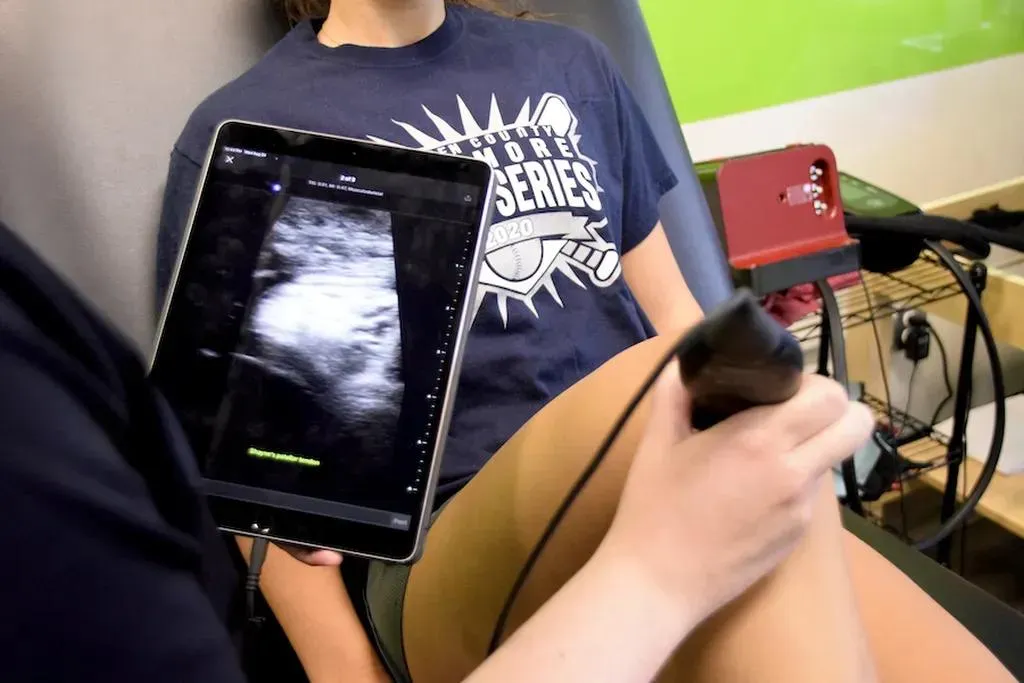
About Clifton Physical Therapy
About Clifton Physical Therapy

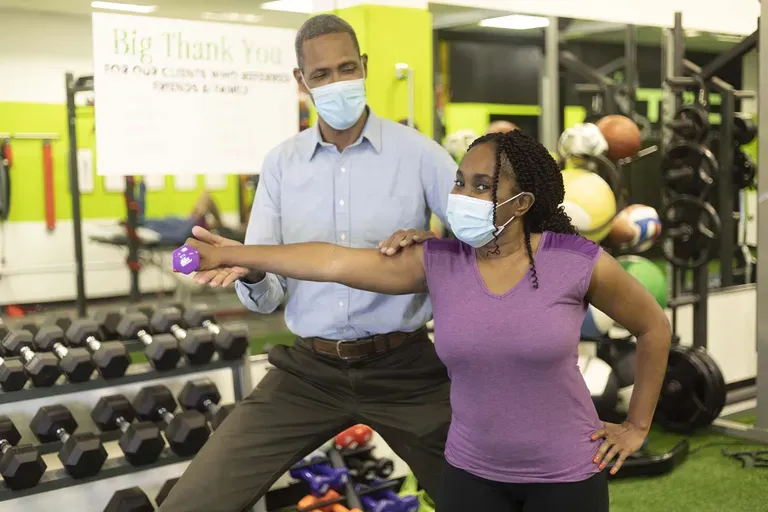
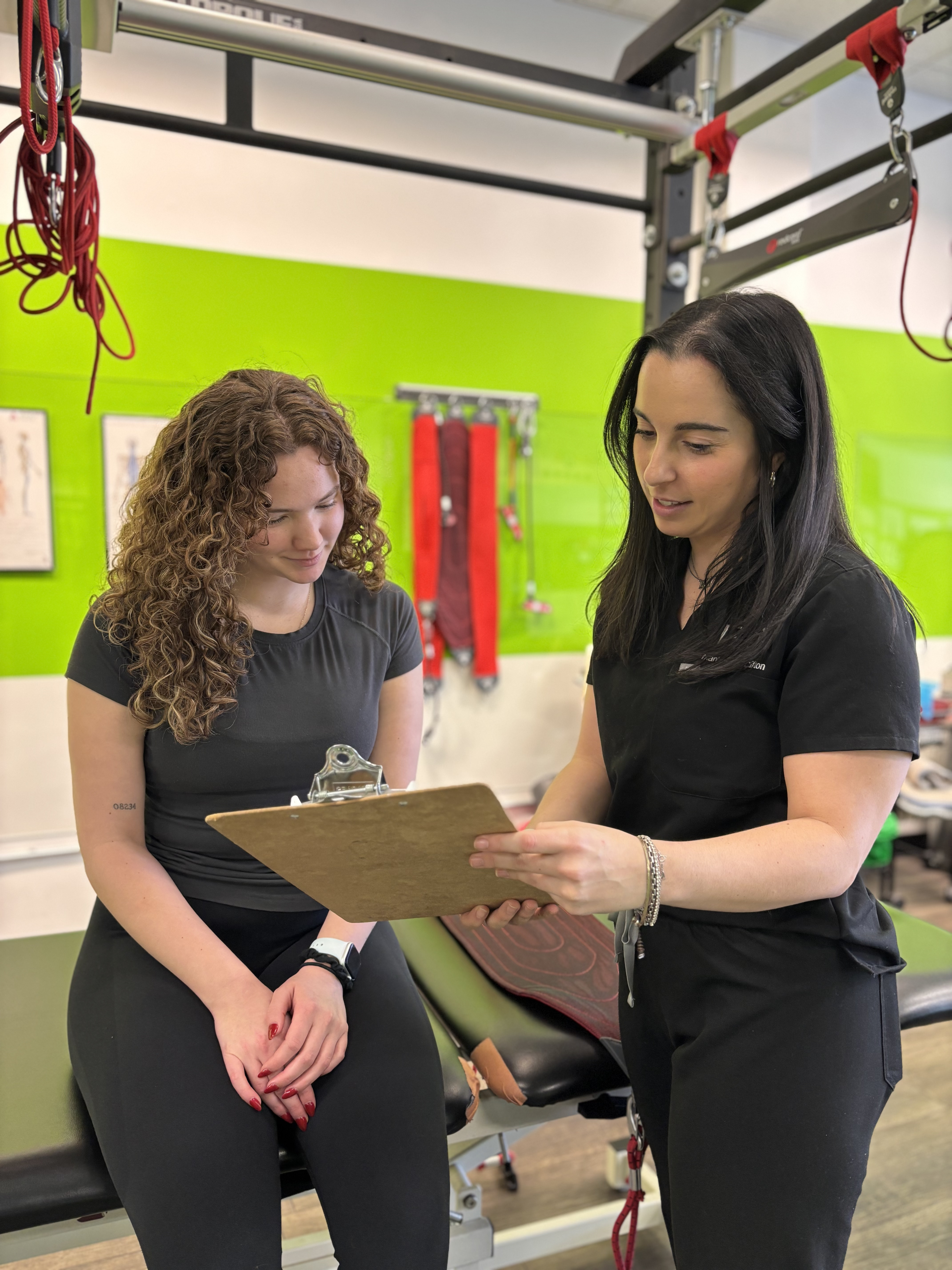
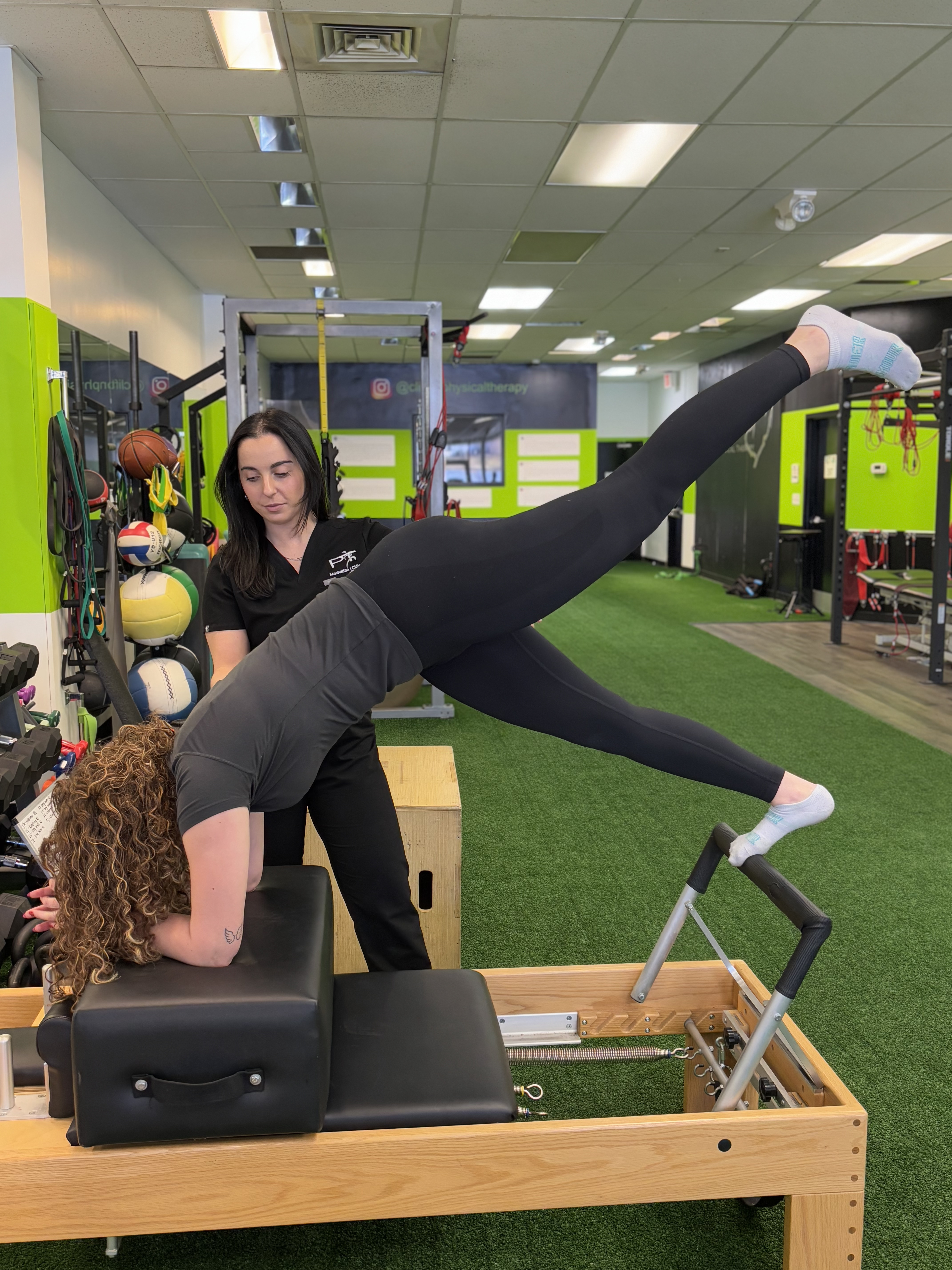
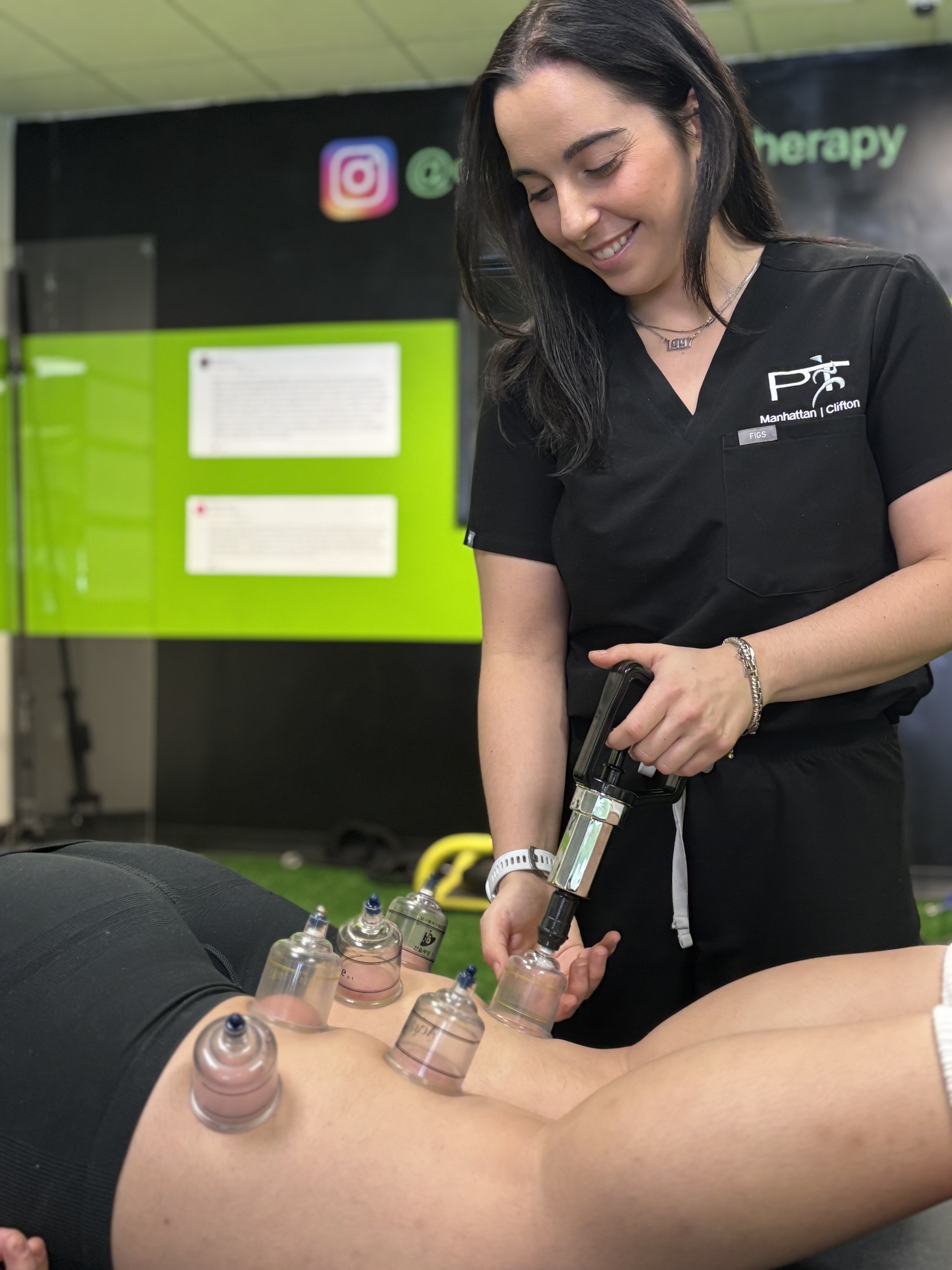
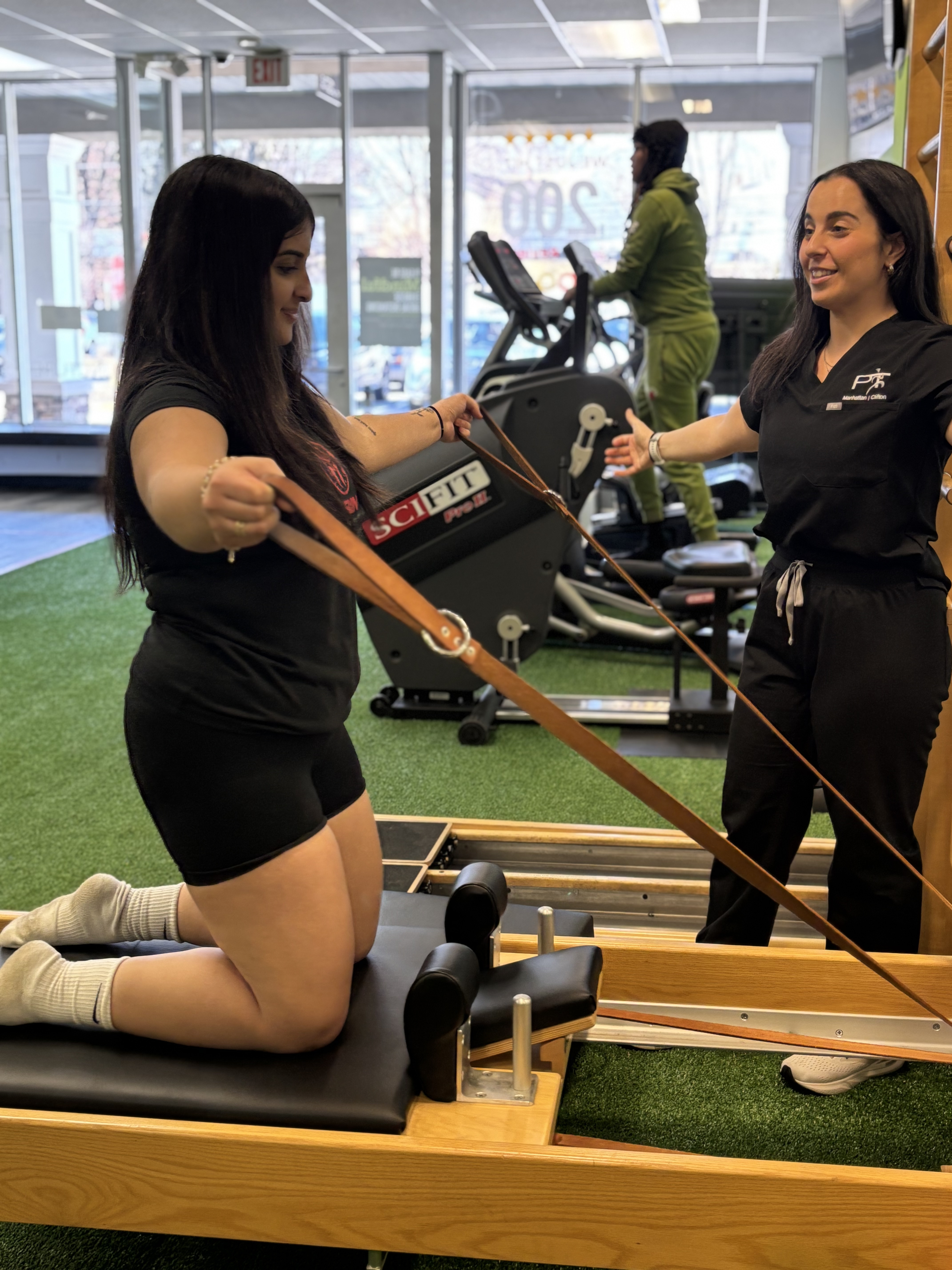
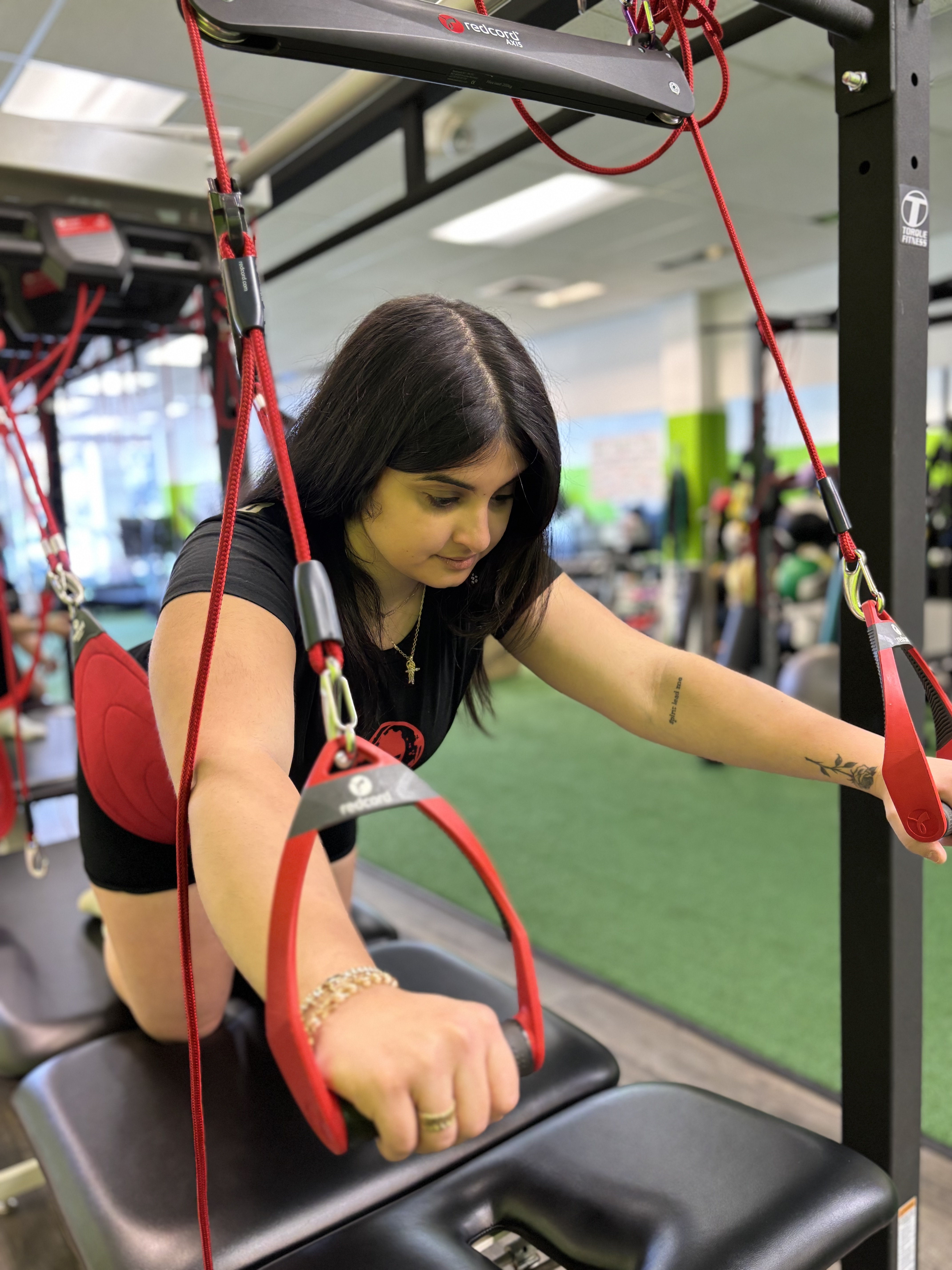

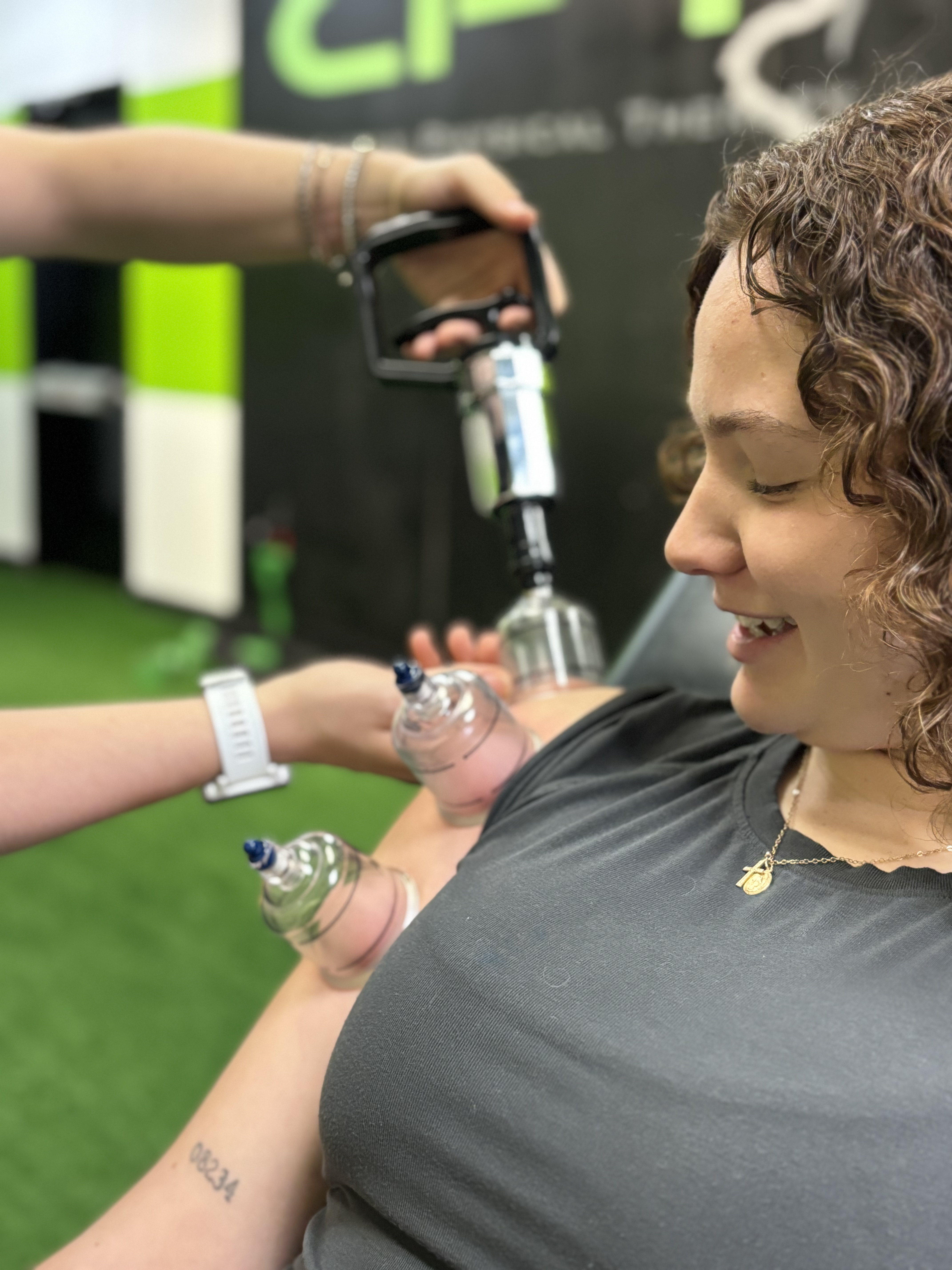


Our Services
Pelvic Floor
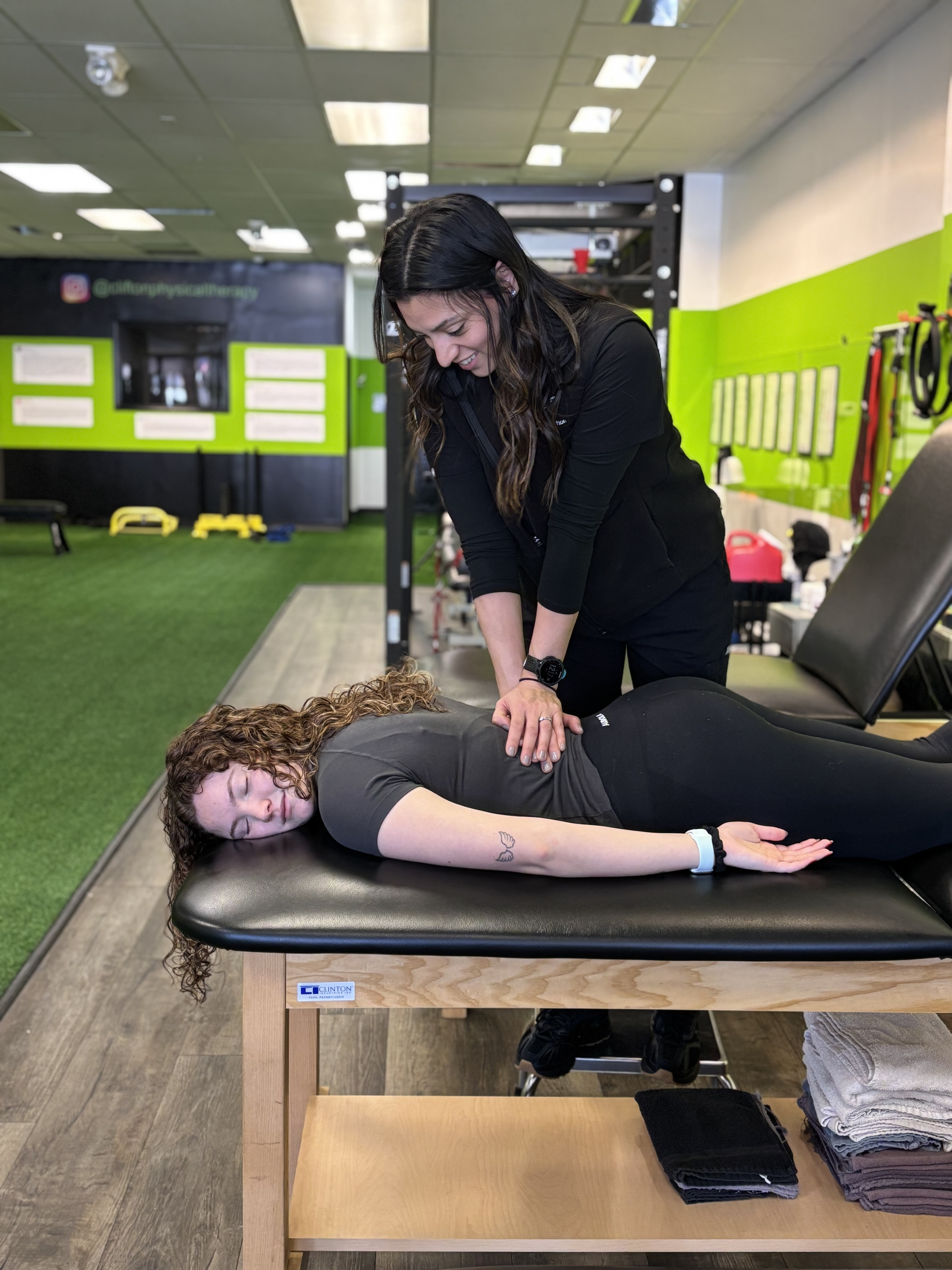
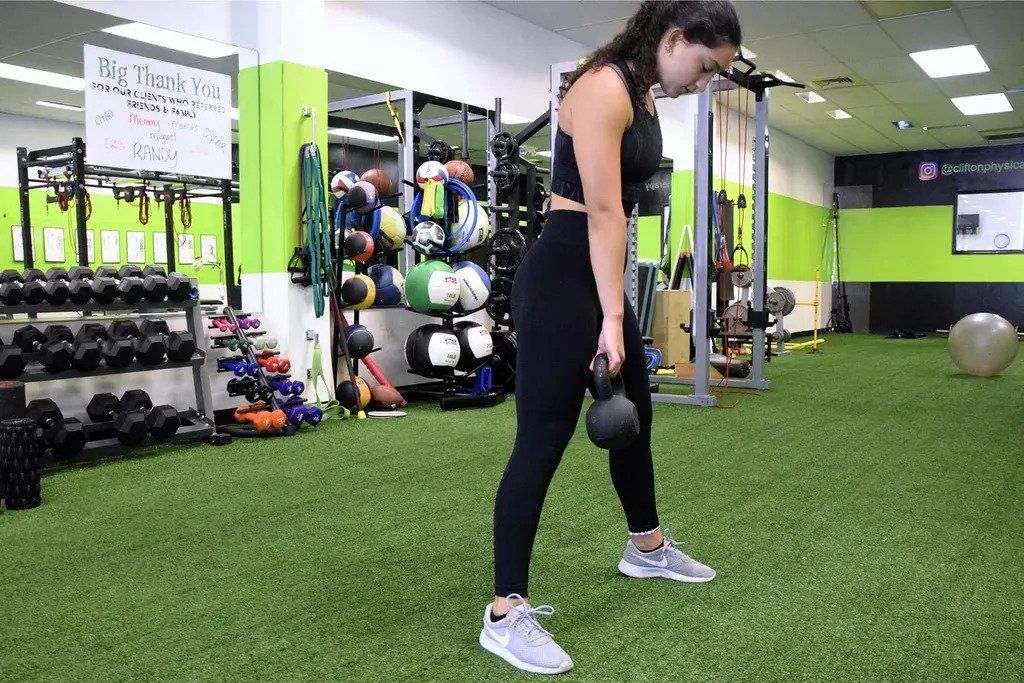
Sports Medicine
Pre-& Post-Surgical Care
Pain Management
Bell's Palsy
3D Movement Scan
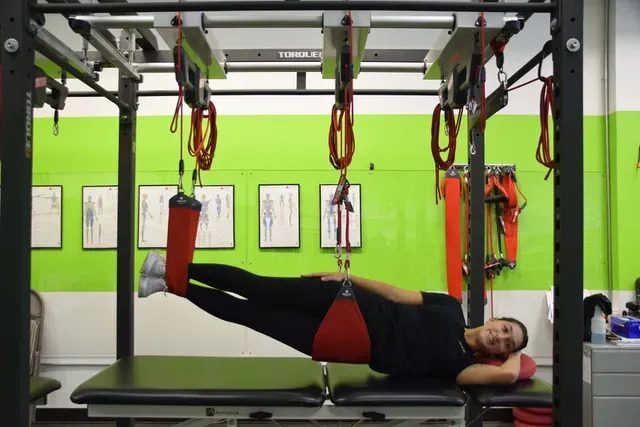
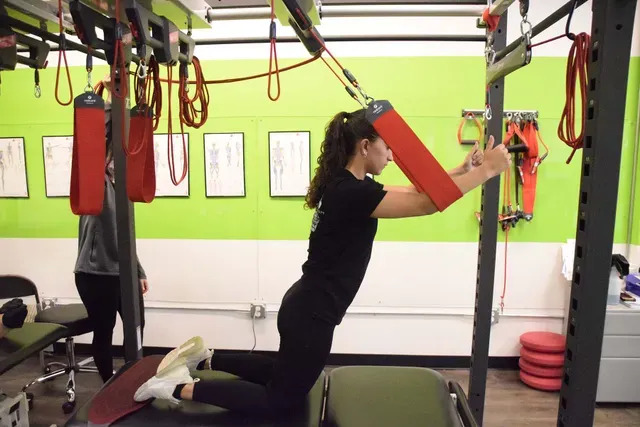
Suspension Therapy
Cupping
Acupuncture
Trigger Point Acupuncture
Our PT Services in Clifton, NJ
Pre-& Post-Surgical Care
Cupping
Acupuncture
Sports Medicine
Pain Management
Trigger Point Acupuncture
Suspension Therapy
3D Movement Scan
Pelvic Floor
Bell's Palsy
Meet The Doctors
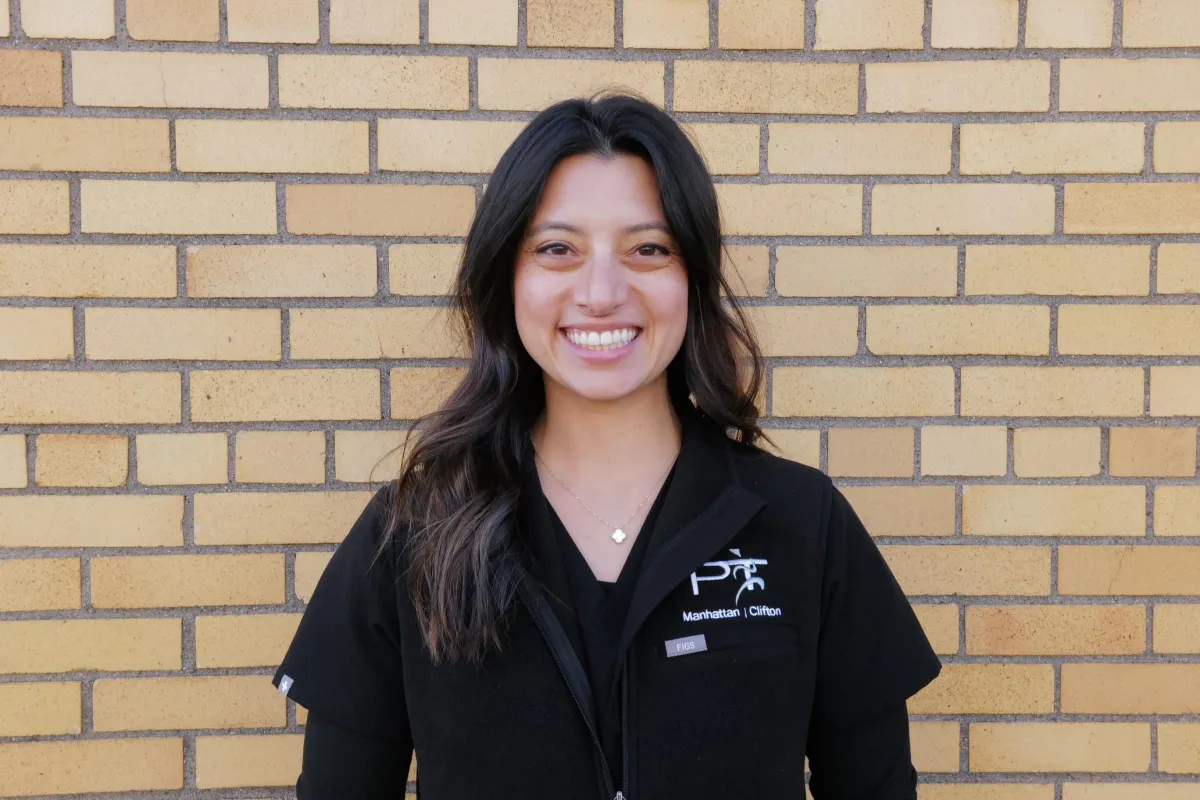
Tiffany Zarcone, PT, DPT
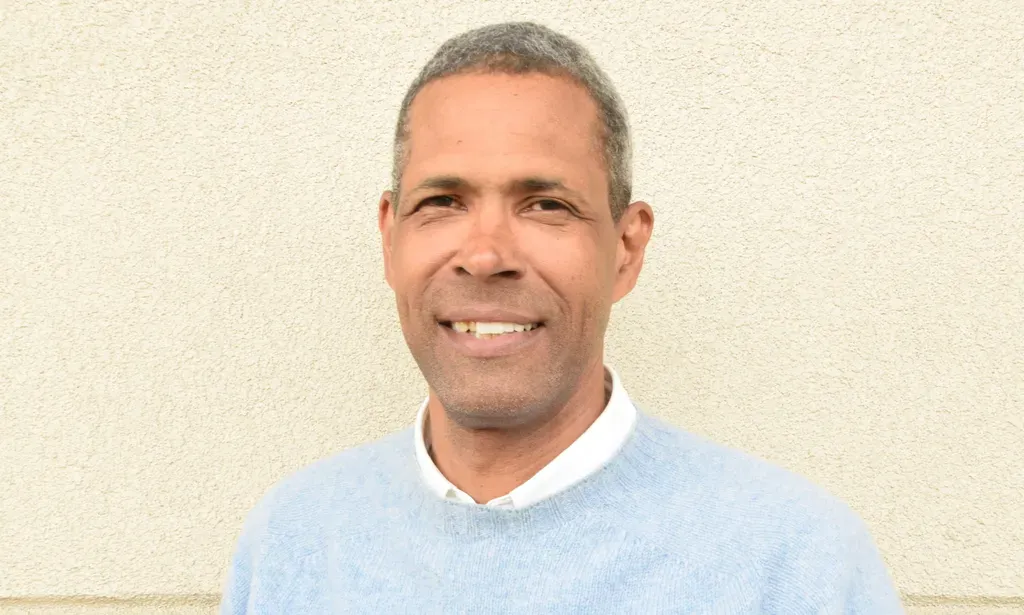
John Miller, LAc
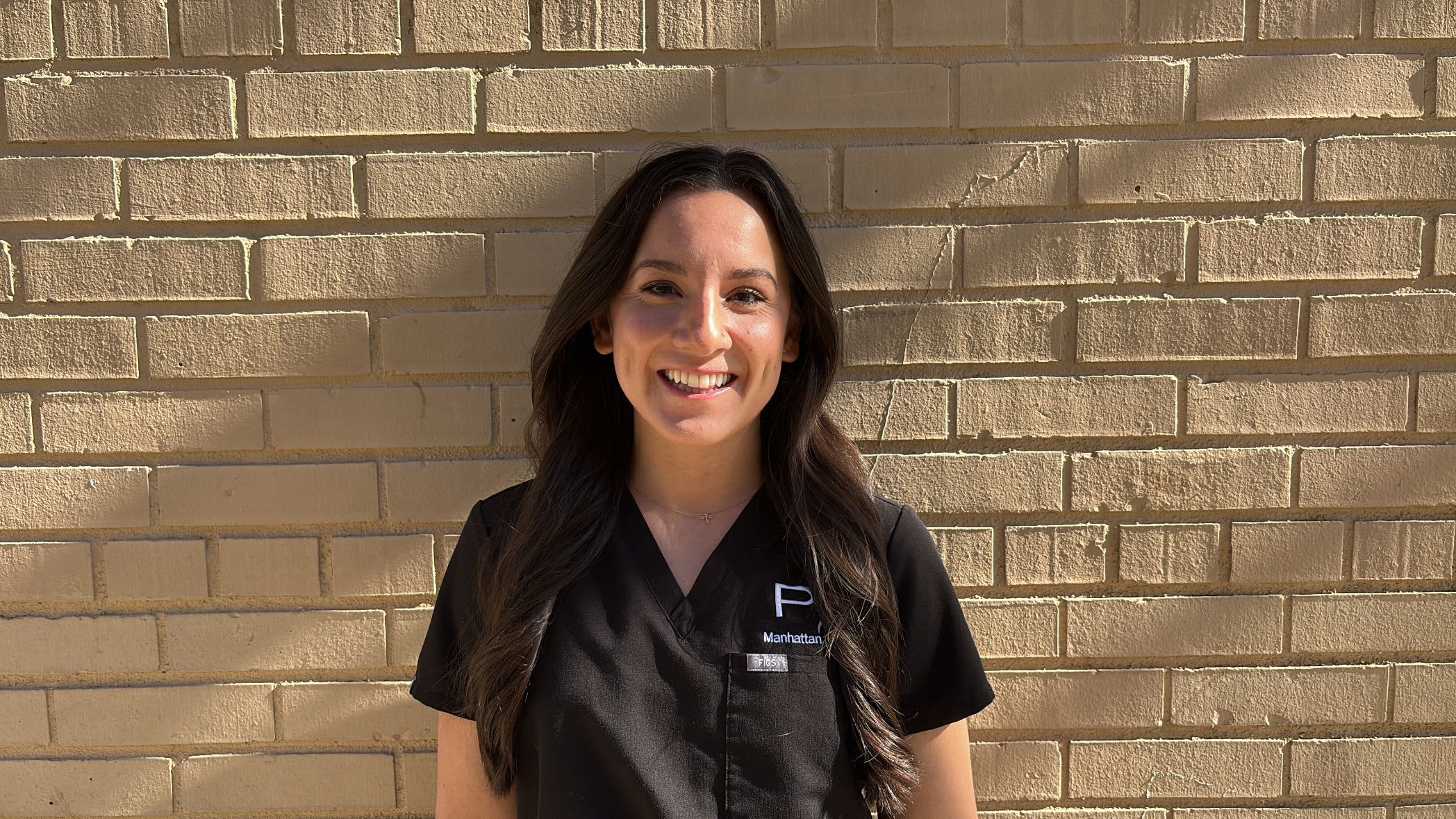
Caitlyn Tamayo, LAT, ATC
Insurances
We accept most insurance providers. If you have specific questions regarding your coverage,
please contact us for additional information.









Follow Us On
Social Media!


Insurances
We accept most insurance providers. If you have specific questions regarding your coverage, please contact us for additional information.

1059 Bloomfield Ave,
Clifton, NJ 07012
Hours Of Operation:
Monday: 9:00 AM - 7:00 PM
Tuesday: 9:00 AM - 7:00 PM
Wednesday: 9:00 AM - 7:00 PM
Thursday: 9:00 AM - 7:00 PM
Friday: 9:00 AM - 5:00 PM
Saturday: Closed
Sunday: Closed
FAQ's
Frequently Asked Questions
Q: What conditions does Clifton Physical Therapy treat?
We treat a wide range of conditions, including sports injuries, chronic pain, post-surgical recovery, pelvic floor dysfunction, Bell’s palsy, and neurological movement disorders. Our team also helps with arthritis, balance problems, and foot/ankle injuries
Q: What makes Clifton Physical Therapy different from other clinics?
We combine one-on-one, evidence-based care with advanced tools like 3D movement scans, Redcord suspension therapy, and custom recovery programs. Every patient gets personalized attention from licensed physical therapists, not aides.
Q: Do I need a doctor’s referral to start physical therapy in New Jersey?
No referral is needed in New Jersey. You can book directly with us and begin treatment right away.
Q: What should I expect at my first appointment?
Your first visit includes a full evaluation of your movement, strength, and goals. We then create a customized treatment plan, often including hands-on therapy and corrective exercises.
Q: Does Clifton Physical Therapy accept insurance?
Yes, we work with most major insurance providers. If you’re unsure about coverage, our staff can verify your benefits before your first visit.
Q: How much is a physical therapy visit at Clifton Physical Therapy?
Please call 973-241-1338 or text us for current rates. We can also check your insurance benefits before your first visit.
Q: How long is the first physical therapy visit?
Your first visit is 60 minutes, one on one with a licensed physical therapist. Follow up visits are about 45 minutes.
Q: Do I need a referral for physical therapy in New Jersey?
In most cases you can start physical therapy without a referral in New Jersey. Some insurance plans still ask for one, so call us and we will help you check.
Q: Is there parking at Clifton Physical Therapy?
Yes. We have a parking lot with handicap parking at 1059 Bloomfield Ave in Clifton, NJ.
Q: Can I book by text or in Spanish?
Yes. You can text us to schedule in English or Spanish, call 973-241-1338, or book online.
Q: Do you offer video visits?
Yes. We offer video visits for patients who cannot come in or who want a check in between in clinic sessions.
Q: What is prehab?
Prehab is physical therapy before a planned surgery. It focuses on strength, motion and a plan for after surgery.
Q: Do you offer red light therapy?
Yes. Red light therapy is available as part of a treatment plan when your therapist thinks it fits your needs.
Q: What are your hours?
Monday to Thursday 9 AM to 7 PM and Friday 9 AM to 5 PM. Closed Saturday and Sunday.
Clifton Physical Therapy
✆ Phone (appointments): (973)-241-1338
Address: 1059 Bloomfield Ave, Clifton, NJ 07012
Clifton Physical Therapy | cliftonphysio.com