Cupping Therapy for Muscle Pain in NJ
Clifton Physical Therapy
What Is Cupping Therapy?
Muscle pain can make everyday activities more difficult, whether it develops after exercise, long hours at a desk, repetitive work, or a sports injury. Cupping therapy is a non-invasive treatment that has been used for centuries to help reduce muscle tension, improve circulation, and support the body's natural healing process. Today, it is commonly integrated with physical therapy to help patients recover from pain and restore movement.
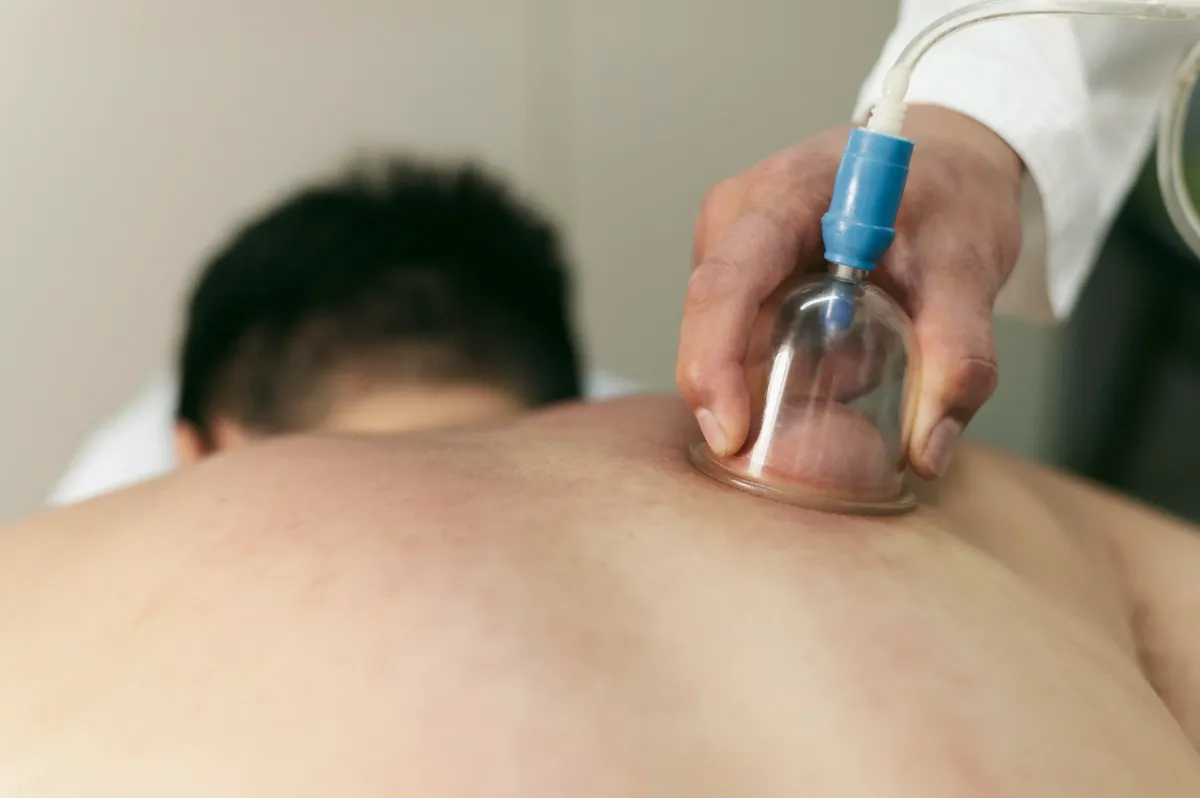
Cupping therapy involves placing specially designed cups on the skin to create gentle suction. Unlike massage, which applies downward pressure, cupping lifts the skin and underlying soft tissue. This negative pressure encourages blood flow to the treated area, helps relax tight muscles, and may improve tissue mobility. The cups are commonly made from silicone, glass, or medical-grade plastic and are often applied to the back, neck, shoulders, hips, calves, and other areas where muscle tension develops.
Although cupping has roots in traditional Egyptian, Chinese, and Greek medicine dating back thousands of years, modern rehabilitation professionals often use it as part of a comprehensive treatment plan rather than as a standalone solution. It is frequently combined with therapeutic exercise, stretching, manual therapy, and posture correction to address both the symptoms and the underlying cause of muscle pain.
How Does Cupping Therapy Help Muscle Pain?
The suction created by the cups produces several physiological responses that may help relieve muscle discomfort and improve recovery.
Improves blood circulation
One of the primary effects of cupping is increased local blood flow. Better circulation delivers oxygen and nutrients to irritated muscles while helping remove metabolic waste products that can accumulate after physical activity. Improved circulation may contribute to faster recovery following exercise or repetitive strain.
Reduces muscle tension
Muscle tightness often limits movement and contributes to ongoing pain. The lifting action of cupping gently separates tissue layers and may decrease stiffness within muscles and fascia, making movement more comfortable. Many patients report feeling less restricted immediately after treatment.
Targets trigger points
Cupping is commonly used over muscle knots and trigger points that contribute to localized or referred pain. By improving tissue mobility and reducing pressure around these sensitive areas, cupping may help decrease discomfort and improve flexibility.
Supports the lymphatic system
The gentle suction may also encourage lymphatic drainage, helping remove excess fluid and inflammatory byproducts from the treated area. While more high-quality research is needed, this mechanism is one reason cupping is often included in recovery programs for athletes and active individuals.
Researchers continue to study exactly how cupping reduces pain. One widely discussed explanation is the gate control theory of pain, which suggests that stimulation from the cups activates nerve fibers that may reduce the transmission of pain signals to the brain. A 2023 review found that cupping showed promise for managing chronic neck pain, low back pain, chronic back pain, knee osteoarthritis, and several other painful conditions. However, the authors also noted that the overall quality of the available studies remains limited, and cupping should be considered a complementary therapy rather than a replacement for evidence-based medical care.
Benefits of Cupping Therapy for Muscle Pain
When performed by a trained healthcare professional, cupping therapy may offer several benefits for patients experiencing muscle pain or stiffness.
May reduce muscle soreness
Many patients seek cupping after workouts or physically demanding activities because it may help decrease delayed-onset muscle soreness (DOMS). Improved circulation and reduced muscle tension can make recovery more comfortable between training sessions.
Can improve flexibility and range of motion
Tight muscles often restrict normal movement. By helping muscles and connective tissues relax, cupping may improve flexibility and make stretching or therapeutic exercises more effective.
Helps relieve chronic muscle tightness
People who spend long hours sitting, driving, or performing repetitive tasks frequently develop tension in the neck, shoulders, and back. Cupping may help reduce persistent muscle tightness that contributes to daily discomfort.
Supports recovery after physical activity
Athletes have helped increase public awareness of cupping therapy because it is often incorporated into recovery programs. While individual results vary, cupping is commonly used alongside stretching, strengthening exercises, hydration, and manual therapy to support recovery and reduce downtime between training sessions.
Promotes relaxation
Chronic muscle pain is often accompanied by stress and muscle guarding. Many patients describe the treatment as producing a deep stretching sensation that helps them feel more relaxed after the session.
It is important to remember that no single treatment works for every patient. The greatest improvements are typically achieved when cupping is incorporated into a personalized rehabilitation program that addresses strength, mobility, posture, and movement patterns.
Who Can Benefit from Cupping Therapy?
Cupping therapy may be appropriate for individuals experiencing muscle pain related to everyday activities, sports, or chronic muscle tension. After a thorough evaluation, a physical therapist can determine whether it is an appropriate addition to your treatment plan. You may benefit from cupping therapy if you have:
Neck, shoulder, or upper back muscle tension
Tight hip or calf muscles
Muscle soreness after exercise
Sports-related muscle strain
Repetitive use injuries
Reduced flexibility caused by muscle tightness
Persistent muscle knots or trigger points
General stiffness from prolonged sitting or standing
Cupping is not appropriate for everyone. Individuals with open wounds, skin infections, certain blood disorders, or those taking blood-thinning medications should discuss their medical history with a qualified healthcare provider before treatment. Mild circular marks, temporary soreness, or skin sensitivity are common after treatment and usually resolve within several days. Staying well hydrated before and after treatment may also support recovery.
At Clifton Physical Therapy, cupping therapy is used as part of an individualized rehabilitation program, not as a standalone treatment. When appropriate, it may be combined with therapeutic exercise, manual therapy, stretching, and patient education to help improve function and support long-term recovery.
Types of Cupping Therapy
Cupping therapy is not a one-size-fits-all treatment. A physical therapist selects the technique based on your symptoms, treatment goals, and overall health.
Dry Cupping
Dry cupping is the most common technique used in physical therapy clinics. Cups are placed on the skin to create suction without making any incisions. This approach helps improve circulation, reduce muscle tension, and relieve stiffness in targeted areas.
Moving Cupping
Also called massage cupping, this technique uses massage oil to allow the cups to glide across the skin. It combines the benefits of soft tissue massage with suction and is particularly helpful for treating larger muscle groups, fascial restrictions, and persistent muscle tightness.
Wet Cupping
Wet cupping involves making tiny, controlled skin punctures before suction is applied. Because it is a more invasive procedure, it is generally performed only in appropriate medical settings under strict safety protocols. It is not routinely offered in most physical therapy practices.
Your physical therapist will determine which technique best fits your condition after evaluating your symptoms and medical history.
What to Expect During a Cupping Therapy Session
If you've never had cupping therapy before, you may wonder what the experience is like. Most sessions are straightforward and designed to keep you comfortable throughout the treatment. A typical appointment includes:
Initial Evaluation
Your physical therapist will review your symptoms, medical history, daily activities, and movement patterns to determine whether cupping is appropriate for your condition.
Treatment
The cups are placed over the affected muscles and left in position for approximately 5 to 15 minutes, although treatment time may vary depending on the area being treated. Some patients receive stationary cupping, while others benefit from moving cupping techniques.
Rehabilitation Exercises
Rather than ending with cupping alone, your therapist may guide you through stretching, mobility exercises, or strengthening activities while your muscles are more relaxed. Combining therapies often produces better long-term results than relying on a single treatment.
Aftercare
Following treatment, you may notice temporary circular marks where the cups were applied. These are not bruises caused by tissue damage. Instead, they are a normal response to the suction and typically fade within several days. Drinking water, staying active, and performing the recommended home exercises can help maximize the benefits of your session.
Is Cupping Therapy Safe?
For most healthy adults, cupping therapy is considered safe when performed by a qualified healthcare professional. The most common side effects include:
Temporary circular skin marks
Mild soreness
Minor skin sensitivity
Occasional lightheadedness immediately after treatment
These effects usually resolve on their own within a few days.
However, cupping may not be appropriate if you have:
Open wounds or skin infections
Certain blood disorders
Significant skin irritation
Medical conditions that affect blood clotting
A history of severe skin sensitivity
Cupping Therapy Works Best as Part of a Complete Rehabilitation Plan
Although cupping therapy can reduce muscle tension and pain, it is most effective when combined with treatments that address the underlying cause of the problem. Depending on your condition, your rehabilitation program may also include:
Therapeutic exercises
Manual therapy
Joint mobilization
Stretching programs
Postural correction
Strength and stability training
Activity modification
Home exercise programs
Research and clinical experience suggest that combining cupping with stretching, hydration, massage, and exercise may improve recovery more effectively than using any single technique alone.
Don't let muscle pain keep you from doing the things you enjoy. Our experienced physical therapists will evaluate your condition and determine whether cupping therapy is the right part of your personalized treatment plan.
Call us today at (973) 241-1338 to schedule your appointment and take the first step toward lasting pain relief and improved mobility.
Frequently Asked Questions
How long do the cupping marks last?
The circular marks usually fade within 3 to 7 days, although they may last a little longer depending on your skin sensitivity and the amount of suction used.
How many sessions will I need?
The number of treatments depends on your diagnosis, symptom severity, and treatment goals. Some patients notice improvement after one visit, while others benefit from a series of treatments. In many cases, 1 to 2 sessions per week for 4 to 8 weeks may be recommended as part of a broader rehabilitation program.
Is cupping therapy only for athletes?
No. While many professional athletes use cupping therapy during recovery, it may also benefit office workers, active adults, older adults, and anyone experiencing muscle tightness, stiffness, or overuse-related pain.
Can cupping therapy replace physical therapy?
No. Current evidence suggests cupping should be viewed as a complementary treatment rather than a replacement for evidence-based rehabilitation. It is most effective when combined with exercise, manual therapy, and other treatments that address the root cause of pain.
Clifton Physical Therapy
✆ Phone (appointments): (973)-241-1338
Address: 1059 Bloomfield Ave, Clifton, NJ 07012


