
Wrist Fracture Treatment in NJ
Clifton Physical Therapy
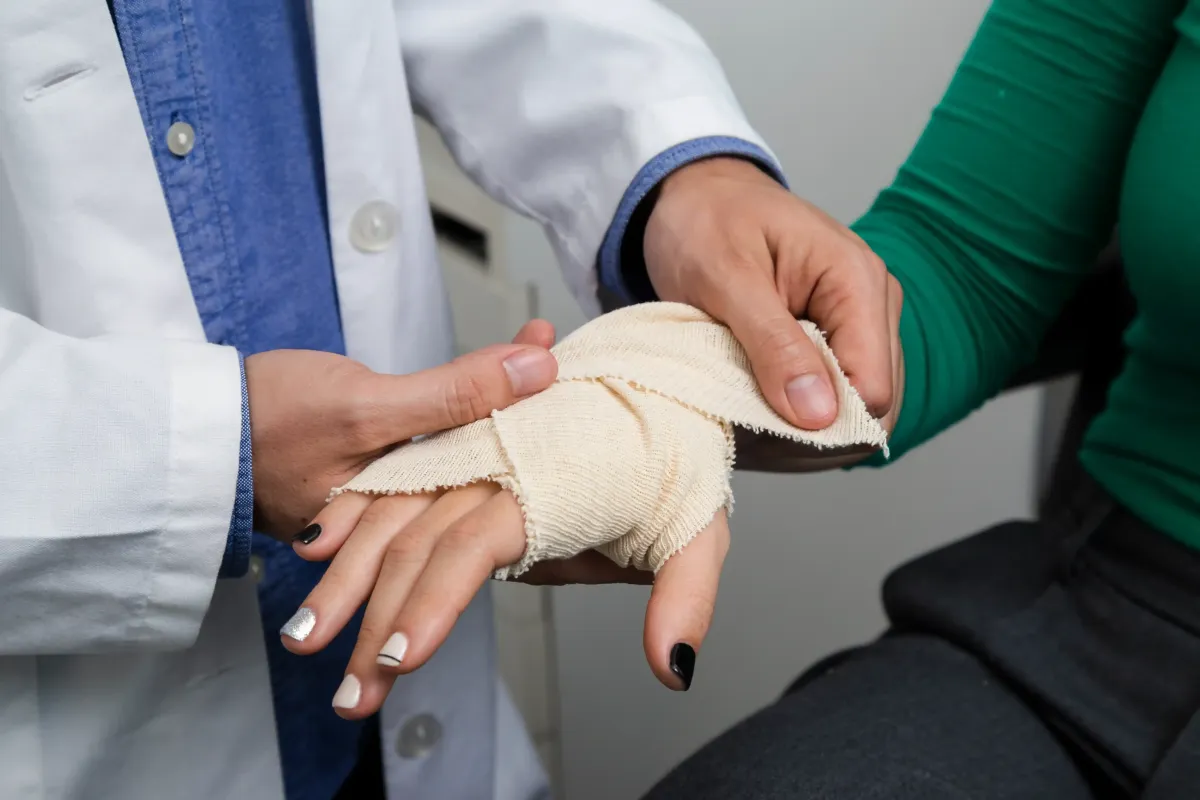
What Is a Wrist Fracture?
A wrist fracture is a break in one or more of the bones that form the wrist joint. Although many people refer to it as a "broken wrist," the injury can involve several different bones, including the radius, ulna, or one of the eight small carpal bones located at the base of the hand.
The most frequently injured bone is the distal radius, which is the larger forearm bone closest to the wrist. In fact, distal radius fractures account for a significant percentage of all fractures treated in emergency departments each year.
Wrist fractures can range from small cracks that remain stable to complex injuries where the bone shifts out of position or breaks into multiple pieces. The severity of the fracture often determines the type of treatment required and the expected recovery timeline.
Prompt evaluation is important because an untreated fracture can heal improperly, leading to long-term pain, stiffness, reduced grip strength, and difficulty performing everyday activities such as typing, driving, lifting objects, or opening jars.
What Causes a Wrist Fracture?
Most wrist fractures occur when a person falls and instinctively extends their hand to break the impact. The force travels through the wrist joint and can cause one or more bones to crack or break.
Common causes include:
Slips and falls on wet or uneven surfaces
Sports-related injuries
Motor vehicle accidents
Bicycle or motorcycle crashes
Workplace injuries
Direct blows to the wrist
High-impact recreational activities such as skateboarding, skiing, snowboarding, or rollerblading
The cause of a wrist fracture often varies by age. Younger adults and athletes are more likely to sustain fractures during sports participation, high-speed accidents, or other high-energy activities. Older adults frequently experience wrist fractures after a simple fall from standing height due to age-related bone loss. Certain factors can increase the risk of suffering a wrist fracture:
Osteoporosis or low bone density
Previous fractures
Participation in contact sports
Balance problems
Reduced muscle strength
Vitamin D deficiency
Advanced age
What Are the Signs and Symptoms of a Broken Wrist?
The symptoms of a wrist fracture can vary depending on the location and severity of the injury, but most patients experience immediate pain following the incident. Common symptoms include:
Sharp or severe wrist pain
Swelling around the wrist and hand
Tenderness when touching the area
Bruising or discoloration
Difficulty moving the wrist
Reduced grip strength
Pain when attempting to grasp or lift objects
Visible deformity or abnormal wrist alignment
Stiffness in the wrist or fingers
Numbness or tingling in the hand or fingertips
Seek immediate medical attention if you experience:
Significant wrist deformity
Loss of sensation in the fingers
Severe swelling
Inability to move the hand
Changes in skin color or circulation
Which Types of Wrist Fractures Are Most Common?
Not all wrist fractures are the same. The location of the break and the pattern of injury influence treatment recommendations and recovery expectations.
Distal Radius Fracture
This is the most common type of wrist fracture. It occurs near the end of the radius bone close to the wrist joint.
Two common patterns include:
Colles Fracture
A fracture in which the broken bone shifts upward toward the back of the hand. This injury often occurs after falling onto an outstretched hand.
Smith Fracture
A fracture where the broken bone shifts toward the palm side of the wrist. It usually results from falling onto a bent wrist.
Scaphoid Fracture
The scaphoid is a small bone located near the base of the thumb. Because this bone has a limited blood supply, healing can be slower than other wrist fractures.
Without proper treatment, scaphoid fractures carry a higher risk of delayed healing or nonunion.
Radial Styloid Fracture
Sometimes called a chauffeur's fracture, this injury affects the pointed portion of the radius on the thumb side of the wrist. It often occurs during high-impact accidents or direct trauma.
Intra-Articular Fracture
An intra-articular fracture extends into the wrist joint itself. These injuries require careful management because they may increase the risk of future arthritis and joint stiffness.
Comminuted Fracture
In a comminuted fracture, the bone breaks into multiple fragments. These injuries commonly result from significant trauma and may require surgical intervention.
Pediatric Wrist Fractures
Children often experience unique fracture patterns because their bones are more flexible than adult bones.
These include:
Buckle (Torus) Fractures
Greenstick Fractures
Fortunately, children's bones typically heal faster and often respond well to conservative treatment with a brace or cast.
How Is a Wrist Fracture Diagnosed?
Accurate diagnosis is the first step toward proper healing. Because symptoms of a wrist fracture can sometimes resemble a severe sprain, medical evaluation is essential after any significant wrist injury.
A healthcare provider will begin by reviewing your symptoms, medical history, and the circumstances surrounding the injury. They will examine the wrist for:
Swelling and bruising
Tenderness over specific bones
Deformity or abnormal alignment
Range of motion limitations
Signs of nerve or blood vessel involvement
X-Rays
X-rays are the most common and effective way to identify wrist fractures. They help determine:
Which bone is broken
Whether the fracture is displaced
Whether the fracture extends into the joint
The overall severity of the injury
Advanced Imaging
In some cases, additional imaging may be recommended:
CT scans provide detailed views of complex fractures.
MRI scans can identify ligament injuries, cartilage damage, or fractures that may not be visible on standard X-rays.
What Are the Treatment Options for a Wrist Fracture?
Treatment depends on several factors, including the type of fracture, the degree of displacement, your age, activity level, and overall health. The primary goal is always the same: restore proper alignment and allow the bone to heal while preserving wrist function.
Non-Surgical Treatment
Many wrist fractures can heal successfully without surgery.
Splinting and Casting
If the bones remain in good alignment, a splint or cast may be sufficient. Typical healing timelines include:
Pediatric buckle fractures: approximately 3 to 4 weeks
Stable adult fractures: 4 to 6 weeks
Scaphoid fractures: often 6 to 12 weeks depending on healing progress
Closed Reduction
When a fracture has shifted slightly out of alignment, a physician may perform a closed reduction.
This procedure involves manually repositioning the bone without making an incision. Once the bone is aligned, the wrist is immobilized in a splint or cast while healing occurs.
Surgical Treatment
Some fractures require surgical stabilization. Surgery may be recommended when:
Bone fragments are significantly displaced
The fracture is unstable
Multiple bone fragments are present
The fracture extends into the joint surface
Conservative treatment fails to maintain alignment
Common surgical methods include:
Plates and screws
Pins or wires
External fixation devices
Combination fixation techniques
How Does Physical Therapy Help After a Wrist Fracture?
Healing the bone is only one part of recovery. Many patients experience lingering stiffness, weakness, swelling, and reduced function after the cast is removed or following surgery.
Physical therapy plays a critical role in restoring normal wrist movement and helping patients safely return to daily activities.
During Immobilization
Even while the wrist is protected in a cast or splint, therapy may help maintain mobility in surrounding joints.
Patients may be guided through exercises designed to keep the:
Fingers mobile
Elbow flexible
Shoulder functioning normally
After Cast Removal
Once the fracture has healed sufficiently, rehabilitation becomes more active. Treatment may focus on:
Managing Pain and Swelling
Therapeutic techniques may include:
· Ice or heat applications
· Soft tissue mobilization
· Manual therapy
· Gentle movement exercises
Restoring Wrist Mobility
After several weeks of immobilization, wrist movement is often significantly restricted. Therapy helps improve:
Wrist flexion
Wrist extension
Forearm rotation
Side-to-side wrist motion
Rebuilding Strength
Muscle weakness is common after a fracture. A progressive strengthening program may include:
Resistance bands
Hand therapy exercises
Grip strengthening drills
Functional movement training
Improving Coordination and Dexterity
Patients frequently notice difficulty with tasks that require fine motor control. Therapy may help improve:
Writing
Typing
Buttoning clothing
Cooking
Tool handling
Sports-specific movements
What Happens If a Wrist Fracture Is Left Untreated?
Ignoring a wrist fracture can lead to serious long-term problems. Potential complications include:
Chronic pain
Persistent stiffness
Reduced grip strength
Wrist instability
Malunion (healing in the wrong position)
Nonunion (failure to heal)
Arthritis
Nerve compression
Carpal tunnel syndrome
How Can You Reduce the Risk of Future Wrist Fractures?
While not every injury can be prevented, several steps may lower your risk. Helpful strategies include:
Maintaining strong bones through adequate calcium and vitamin D intake
Participating in regular strength and balance training
Using appropriate protective equipment during sports
Addressing osteoporosis when present
Keeping walkways clear of hazards
Wearing supportive footwear
Following a structured rehabilitation program after previous injuries
Why Choose Physical Therapy After a Wrist Fracture?
Many patients assume recovery ends once the cast comes off. In reality, restoring strength, flexibility, and function often requires additional care.
A structured rehabilitation program can help:
Improve wrist mobility
Restore grip strength
Reduce pain and swelling
Improve coordination
Prevent long-term stiffness
Support a safe return to work, sports, and daily activities
If you are recovering from a wrist fracture, professional rehabilitation can help you regain movement, strength, and confidence in your hand and wrist.
Our team at Clifton Physical Therapy provides personalized treatment plans designed to support every stage of recovery, from post-immobilization care to return-to-activity training. Call (973) 241-1338 today to schedule an evaluation and begin your recovery journey.
What patients are saying
"I recently had ankle surgery and Clifton PT has been nothing short of amazing! My goal was to get back to playing soccer as quick as possible before the college season started and so far I'm right on track. Izzy, Bianca, Tiff, and John have gone above and beyond to make sure I'm back to 100%. Couldn't be more grateful to be treated by the best team ever!." - Nat Rufino

All the therapists at Clifton Physical Therapy are awesome, but I spend most of my time with Izzy and Bianca—and they’ve been amazing. They’re enthusiastic, knowledgeable, and always take the time to explain what I’m doing and what my issues are. Their positive energy and clear communication make a big difference in my recovery." - Bryan Tompkins
"Going Clifton physical therapy was one of the best thing that came out of my back pain! Every single staff member is amazing and cares for your recovery! I have been with them for the past couple of months and now continuing their workout program! I can’t recommend them enough! Tiffany, Izzy, Bianca and everyone else I have worked with there! Can’t rave about them enough!!." - Monica Mehta
"Clifton Physical Therapy has been a great place for me to heal my meniscus tear. The staff is very knowledgeable and friendly, and has been extremely helpful in guiding me through my recovery. I highly recommend their services.." - Kelly Bevando
Clifton Physical Therapy
✆ Phone (appointments): (973)-241-1338
Address: 1059 Bloomfield Ave, Clifton, NJ 07012
Clifton Physical Therapy | cliftonphysio.com


