
What Do Pelvic Floor Spasms Feel Like?
Clifton Physical Therapy
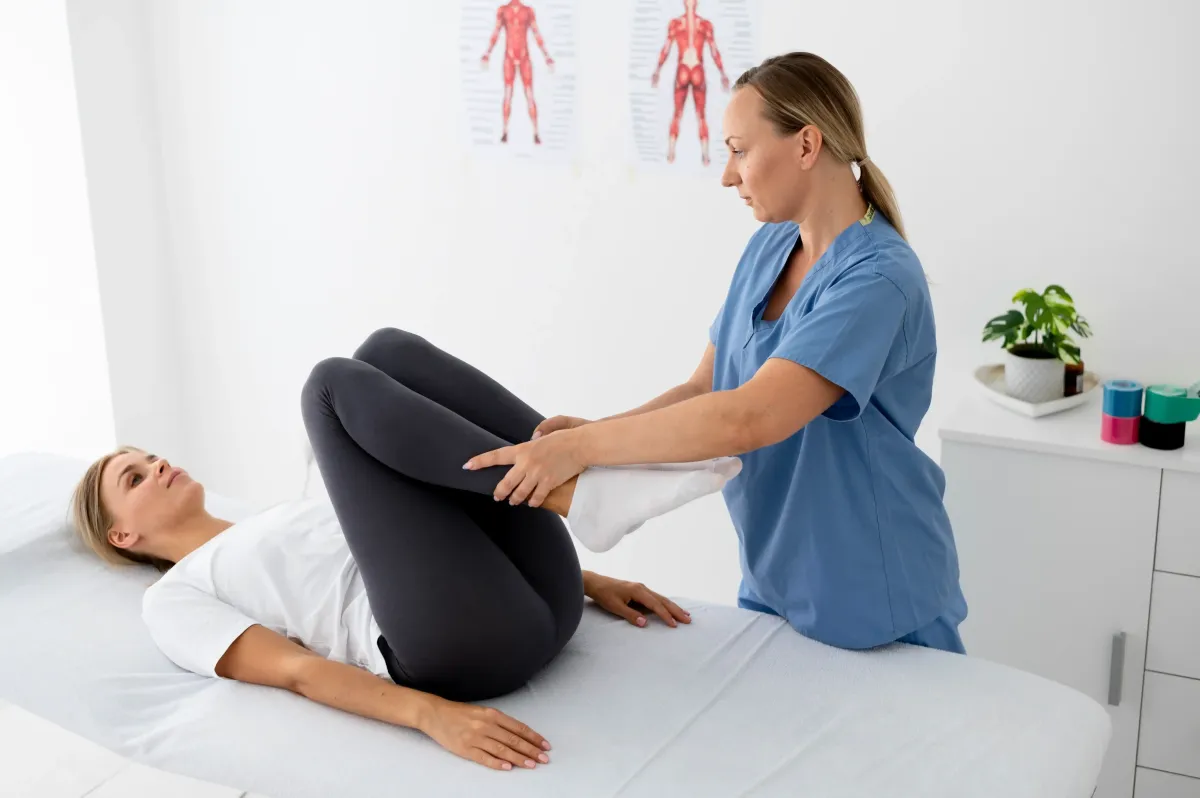
Pelvic floor spasms, also known as pelvic floor muscle tension or pelvic floor dysfunction (PFD), occur when the muscles at the base of the pelvis tighten involuntarily. These muscles act as a support system for the bladder, bowel, and reproductive organs, playing a crucial role in bladder and bowel control, sexual function, and overall pelvic stability. When these muscles spasm or become tense, it can cause pain, discomfort, and significant disruption to daily life.
While pelvic floor disorders are often associated with women, research shows that men are also affected. Studies indicate that around 32% of women and 16% of men experience at least one pelvic floor disorder in their lifetime. Understanding the causes, symptoms, and treatment options is essential for anyone seeking relief and improved quality of life.
What Are Pelvic Floor Spasms?
The pelvic floor is a hammock-like network of muscles, ligaments, and connective tissues that stretch across the base of the pelvis. These muscles support the bladder, uterus or prostate, and rectum, helping maintain continence and pelvic organ stability.
Pelvic floor spasms occur when these muscles contract involuntarily, leading to discomfort or pain. People with spasms often report sensations ranging from sharp, sudden pains to a dull, constant ache. Some describe it as a tight band, a knot, or pressure deep within the pelvic region. Spasms can also interfere with urination, bowel movements, sexual activity, and even posture.
In addition to causing discomfort, pelvic floor spasms can trigger a cycle of tension. Muscle overactivity can lead to weakness, imbalance, and nerve irritation, which can worsen pain and restrict normal function.
What Causes Pelvic Floor Spasms?
Pelvic floor spasms can develop from a variety of factors that often overlap and interact. Pregnancy and childbirth can strain and stretch the pelvic muscles, sometimes leading to tightness or injury, while trauma or direct injury from falls, accidents, or other incidents can also trigger spasms.
Surgical procedures such as hysterectomies, prostatectomies, or pelvic organ repairs may disrupt muscles or nerves, and scar tissue from these surgeries can limit normal movement. Chronic straining, whether from constipation, overuse of the muscles, or repeated effort during bowel movements, places additional stress on the pelvic floor. An overactive bladder or frequent urination can cause the muscles to contract repeatedly, increasing tension.
Neurological conditions like multiple sclerosis, Parkinson’s disease, or spinal cord injuries can interfere with the nerve signals that control these muscles. Muscle tone naturally decreases with age, and some people may have a genetic predisposition toward overly tight muscles.
Carrying extra weight adds pressure to the pelvic floor, raising the risk of spasms and pelvic organ prolapse, while psychological stress and poor posture can tighten these muscles unconsciously, making symptoms worse. Often, these causes combine, such as chronic constipation coupled with stress or poor posture, creating a cycle of tightening, pain, and dysfunction.
What Do Pelvic Floor Spasms Feel Like?
Pelvic floor spasms can feel different for each person, depending on the cause and severity. Many people describe sharp, stabbing pains or a dull, constant ache in the pelvis, lower back, abdomen, or genital area. Some even feel a tight “knot” or tension deep within the pelvic muscles.
These spasms can also affect bladder and bowel function, leading to difficulty starting or stopping urination, a weak urine stream, urgency, or frequent trips to the bathroom. Constipation, straining, incomplete bowel movements, or occasional fecal leakage are also common. For some, pelvic floor tension may cause discomfort during or after sexual activity, while men may experience difficulties with erections.
Muscle tightness or spasms can extend to the lower back or hips, adding to overall discomfort. Many notice that symptoms worsen during periods of stress, after sitting for long hours, or following activities that put extra strain on the pelvic region. Being aware of these sensations early is important, as it can help prevent chronic pain and guide effective treatment.
How Pelvic Floor Spasms Occur
Pelvic floor spasms usually develop from a mix of physical, neurological, and lifestyle factors. Muscles that are overused, injured, or under constant stress can tighten involuntarily, leading to discomfort. In some cases, certain muscles become overactive to compensate for weaker ones, creating tension and imbalance.
Nerve irritation or damage—whether from trauma, surgery, or neurological conditions—can also disrupt the normal communication between the brain and pelvic muscles, making spasms more likely. Scar tissue or adhesions from surgery or injury may create stiffness that prevents muscles from relaxing fully.
Psychological stress, anxiety, or fear of pain can further tighten these muscles, while poor posture or prolonged sitting can strain the pelvic and core muscles, triggering spasms. These factors often feed into a cycle where spasms cause pain, pain increases tension, and tension worsens muscle dysfunction. Over time, this cycle can interfere with everyday activities, sexual health, and bladder or bowel function.
How Pelvic Floor Spasms Are Diagnosed
Diagnosing pelvic floor spasms requires a comprehensive evaluation to pinpoint the cause and severity. Healthcare providers typically use a combination of history, physical exams, and specialized tests:
Medical History Review
Your provider will discuss:
Symptoms related to urination, bowel movements, and sexual activity
Past surgeries, injuries, or pregnancies
Chronic conditions, lifestyle habits, and stress levels
Physical Examination
Exams may include:
Internal pelvic exam: To assess muscle tone, trigger points, and spasms
Rectal exam (for men): To check the anal sphincter and prostate
External exam: To evaluate surrounding muscles, ligaments, and posture
Diagnostic Tests
Additional tests can help clarify the condition:
Anorectal manometry
Defecating proctogram
Urodynamic testing
Pelvic ultrasound
Early and accurate diagnosis is essential for effective treatment, preventing long-term pain and dysfunction.
Treatment Options for Pelvic Floor Spasms
The good news is that pelvic floor spasms are treatable. A combination of lifestyle changes, physical therapy, and targeted interventions can significantly improve symptoms.
Lifestyle Modifications
Simple daily adjustments can reduce stress on pelvic muscles:
Maintain a healthy weight to ease pelvic pressure
Eat a high-fiber diet and stay hydrated to prevent constipation
Practice good posture while sitting and standing
Manage stress with deep breathing, meditation, or yoga
Relaxation and Manual Therapy
Techniques to release tension can provide immediate relief:
Pelvic floor massage or myofascial release
Yoga and stretching
Biofeedback
Medications
When necessary, medications may help:
Muscle relaxants to ease spasm
Pain relief medications for temporary discomfort
Anti-inflammatory drugs if inflammation contributes to tension
Pelvic Floor Physical Therapy
Specialized pelvic floor PT is often the most effective treatment, addressing the root cause of spasms. Therapy may include:
Targeted exercises
Manual therapy
Electrical stimulation
Posture and body mechanics correction
Studies suggest that pelvic floor physical therapy can relieve symptoms in up to 80% of patients when applied consistently. The focus is usually on relaxing and retraining the muscles, not just strengthening them.
Preventing Pelvic Floor Spasms
While not all spasms can be prevented, these strategies can lower risk:
Perform pelvic floor exercises regularly, even without symptoms
Avoid straining during bowel movements
Maintain a healthy weight
Practice good posture and ergonomics
Manage stress through mindfulness or relaxation techniques
Seek prompt treatment for urinary, bowel, or pelvic issues
Final Thoughts
Pelvic floor spasms can feel uncomfortable, disruptive, and even isolating. Understanding the causes, recognizing the symptoms, and seeking timely treatment can help restore comfort and normal function. Don’t let pelvic floor pain control your life. Contact Clifton Physical Therapy at (973) 241-1338 and start your path to recovery.
What patients are saying
"I recently had ankle surgery and Clifton PT has been nothing short of amazing! My goal was to get back to playing soccer as quick as possible before the college season started and so far I'm right on track. Izzy, Bianca, Tiff, and John have gone above and beyond to make sure I'm back to 100%. Couldn't be more grateful to be treated by the best team ever!." - Nat Rufino

All the therapists at Clifton Physical Therapy are awesome, but I spend most of my time with Izzy and Bianca—and they’ve been amazing. They’re enthusiastic, knowledgeable, and always take the time to explain what I’m doing and what my issues are. Their positive energy and clear communication make a big difference in my recovery." - Bryan Tompkins
"Going Clifton physical therapy was one of the best thing that came out of my back pain! Every single staff member is amazing and cares for your recovery! I have been with them for the past couple of months and now continuing their workout program! I can’t recommend them enough! Tiffany, Izzy, Bianca and everyone else I have worked with there! Can’t rave about them enough!!." - Monica Mehta
"Clifton Physical Therapy has been a great place for me to heal my meniscus tear. The staff is very knowledgeable and friendly, and has been extremely helpful in guiding me through my recovery. I highly recommend their services.." - Kelly Bevando
Clifton Physical Therapy
✆ Phone (appointments): (973)-241-1338
Address: 1059 Bloomfield Ave, Clifton, NJ 07012
Clifton Physical Therapy | cliftonphysio.com


