What Causes Lower Back and Hip Pain in Females?
Clifton Physical Therapy
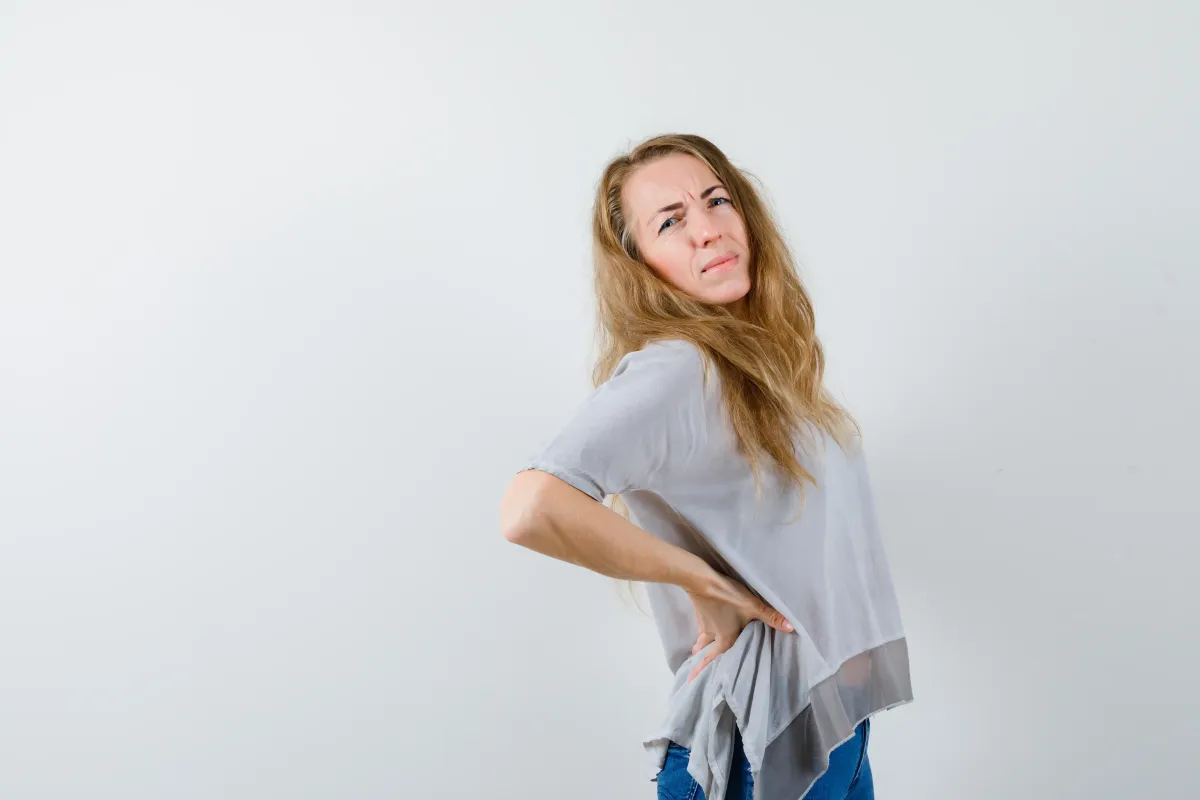
Lower back and hip pain in women is rarely caused by a single issue. In many cases, it’s a mix of muscle strain, joint problems, hormonal changes, or underlying medical conditions.
Some causes are temporary, like poor posture or overuse. Others, such as arthritis or endometriosis, may require long-term care. Understanding the root cause is the first step toward relief.
What Are the Most Common Causes of Lower Back and Hip Pain in Females?
Several conditions frequently lead to pain in both the lower back and hips:
Muscle strains and ligament sprains
Arthritis and joint degeneration
Spinal conditions like herniated discs or sciatica
Hormonal changes during menstruation or pregnancy
Pelvic floor dysfunction
Reproductive health conditions such as endometriosis or pelvic inflammatory disease
In many women, more than one factor is involved. For example, weak core muscles combined with poor posture can increase strain on the spine and hips, making pain more persistent.
How Do Injuries and Muscle Strain Lead to Back and Hip Pain?
One of the most common reasons for pain is a simple muscle or ligament injury.
Strains occur when muscles are overstretched or torn, often from lifting something heavy, sudden movements, or overuse. Sprains affect ligaments, which stabilize your joints. Both can lead to stiffness, soreness, and limited movement in the lower back and hips. Even mild injuries can become long-lasting if not managed properly. Sitting for long hours, improper exercise form, or lack of recovery time can keep these tissues irritated. You might notice:
Dull, aching pain in the lower back or hips
Tightness or reduced flexibility
Pain that worsens with movement
The good news is that most strain-related pain improves with rest, guided exercise, and physical therapy.
How Do Spinal Conditions Cause Pain in the Back and Hips?
The spine plays a central role in supporting your body. When something goes wrong here, pain often spreads to the hips and even the legs.
Common spinal conditions include:
Herniated Disc
A disc acts as a cushion between your vertebrae. When it bulges or ruptures, it can press on nearby nerves, causing pain that travels from the lower back into the hips or legs.
Spinal Stenosis
This condition happens when the spinal canal narrows, putting pressure on the nerves. It often causes pain, numbness, or weakness that radiates to the hips.
Sciatica
Sciatica occurs when the sciatic nerve becomes irritated. It typically causes sharp, shooting pain that starts in the lower back and moves through the hips and down the leg.
Scoliosis
An abnormal curve in the spine can change how weight is distributed across the body, leading to uneven stress on the lower back and hips.
How Do Hormones Affect Lower Back and Hip Pain in Women?
Hormones play a bigger role in pain than most people realize. In women, fluctuations in estrogen, progesterone, and relaxin can directly affect how the body feels and functions.
During the menstrual cycle, estrogen levels drop, which can increase pain sensitivity. At the same time, changes in progesterone can raise inflammation levels, making cramps and back pain feel more intense. Relaxin, a hormone that loosens ligaments and joints, also affects stability. While this is helpful during pregnancy, it can make joints—especially around the pelvis and lower back—less stable and more prone to strain. Because of these hormonal shifts, many women notice:
Increased back and hip pain before or during their period
More joint stiffness or instability
Pain that comes and goes with their cycle
Hormonal imbalance can also worsen conditions like endometriosis, making pain more frequent and severe.
What Female-Specific Conditions Can Cause Back and Hip Pain?
Certain health conditions that primarily affect women can directly trigger lower back and hip pain.
Endometriosis
This condition occurs when tissue similar to the uterine lining grows outside the uterus. It can lead to inflammation, scarring, and nerve irritation, causing pain that often spreads to the lower back and hips.
Pelvic Inflammatory Disease (PID)
PID is an infection of the reproductive organs, often caused by untreated infections. It can lead to deep pelvic pain that radiates into the lower back and hips. Other symptoms may include abnormal discharge, bleeding, or pain during intercourse.
Dysmenorrhea (Menstrual Cramps)
Severe menstrual cramps don’t just stay in the lower abdomen. They can radiate into the lower back and hips, especially when uterine contractions are strong.
Ovarian Cysts
Cysts can create pressure in the pelvic area, leading to one-sided pain that may extend into the lower back.
These conditions are often overlooked when diagnosing back pain, which is why it’s important to consider the full picture, especially if symptoms follow a monthly pattern.
How Does Pelvic Floor Dysfunction Contribute to Pain?
The pelvic floor is a group of muscles that supports the bladder, uterus, and bowel. It also works closely with your core and lower back muscles. When these muscles become weak, tight, or uncoordinated, they can cause pain that feels like it’s coming from the lower back or hips. Common signs include:
Pain when sitting for long periods
Aching in the lower back, hips, or pelvis
Urinary issues or discomfort
Pain during or after physical activity
Because the pelvic floor connects directly to the spine, dysfunction in this area often leads to what’s called “referred pain,” where the discomfort shows up somewhere else.
Targeted pelvic floor physical therapy can be very effective in these cases.
Why Is Sacroiliac Joint Dysfunction a Common Cause?
The sacroiliac (SI) joints connect your lower spine to your pelvis. These joints absorb shock and help transfer weight between your upper body and legs. When they become inflamed or unstable, they can cause pain in the:
Lower back
Hips
This pain often feels worse when standing, walking, or climbing stairs.
Hormonal changes, especially during pregnancy, can loosen these joints and make them more prone to irritation. Poor posture, uneven weight distribution, or previous injuries can also contribute.
Can Lifestyle Habits Trigger Back and Hip Pain?
Daily habits play a major role in how your back and hips feel. Some of the most common contributors include:
Poor Posture
Lack of Movement
Wearing High Heels
Weak Core Muscles
How Do Pregnancy and Postpartum Changes Cause Pain?
Pregnancy brings significant physical changes that can lead to lower back and hip pain.
As the body prepares for childbirth, it produces more relaxin, which loosens joints and ligaments. While necessary, this can reduce stability in the pelvis and spine. Other contributing factors include:
Weight gain and shifting center of gravity
Changes in posture
Weakening of core muscles (including diastasis recti)
Many women also experience pelvic girdle pain (PGP), which affects the hips, lower back, and thighs.
After childbirth, these issues don’t always resolve right away. Without proper rehabilitation, pain can continue into the postpartum period.
What Role Does Menopause Play in Chronic Back Pain?
As women enter menopause, estrogen levels decline significantly. This has a direct impact on bone and joint health. Lower estrogen can lead to:
Reduced bone density (osteoporosis)
Increased risk of fractures
Faster degeneration of spinal discs
These changes make the spine more vulnerable to chronic pain.
Some women also notice that pain feels more intense after menopause due to changes in how the body processes pain signals.
When Should You Be Concerned About Back and Hip Pain?
Not all pain is serious, but certain signs shouldn’t be ignored. You should seek medical attention if:
Pain is severe or comes on suddenly
It doesn’t improve after a few weeks
It interferes with daily activities
You feel numbness, tingling, or weakness
There are additional symptoms like fever, weight loss, or bladder issues
What Are the Best Treatment Options for Lower Back and Hip Pain in Women?
Treatment depends on the cause, but most women benefit from a combination of approaches.
Physical Therapy
Helps strengthen muscles, improve flexibility, and correct movement patterns.
Medications
Over-the-counter pain relievers can reduce inflammation and discomfort.
Lifestyle Changes
Improving posture, staying active, and maintaining a healthy weight can prevent recurring pain.
Targeted Exercises
Strengthening the core, hips, and pelvic floor improves stability and reduces strain.
Advanced Treatments
In some cases, injections or surgery may be needed, especially for severe spinal conditions.
Ready to get lasting relief from lower back and hip pain? The team at Clifton Physical Therapy provides personalized, one-on-one care to help you move better and feel stronger. Call (973)-241-1338 today to schedule your appointment.
What patients are saying
"I recently had ankle surgery and Clifton PT has been nothing short of amazing! My goal was to get back to playing soccer as quick as possible before the college season started and so far I'm right on track. Izzy, Bianca, Tiff, and John have gone above and beyond to make sure I'm back to 100%. Couldn't be more grateful to be treated by the best team ever!." - Nat Rufino

All the therapists at Clifton Physical Therapy are awesome, but I spend most of my time with Izzy and Bianca—and they’ve been amazing. They’re enthusiastic, knowledgeable, and always take the time to explain what I’m doing and what my issues are. Their positive energy and clear communication make a big difference in my recovery." - Bryan Tompkins
"Going Clifton physical therapy was one of the best thing that came out of my back pain! Every single staff member is amazing and cares for your recovery! I have been with them for the past couple of months and now continuing their workout program! I can’t recommend them enough! Tiffany, Izzy, Bianca and everyone else I have worked with there! Can’t rave about them enough!!." - Monica Mehta
"Clifton Physical Therapy has been a great place for me to heal my meniscus tear. The staff is very knowledgeable and friendly, and has been extremely helpful in guiding me through my recovery. I highly recommend their services.." - Kelly Bevando
Clifton Physical Therapy
✆ Phone (appointments): (973)-241-1338
Address: 1059 Bloomfield Ave, Clifton, NJ 07012
Clifton Physical Therapy | cliftonphysio.com


