Things To Avoid With Cervical Spinal Stenosis
Clifton Physical Therapy
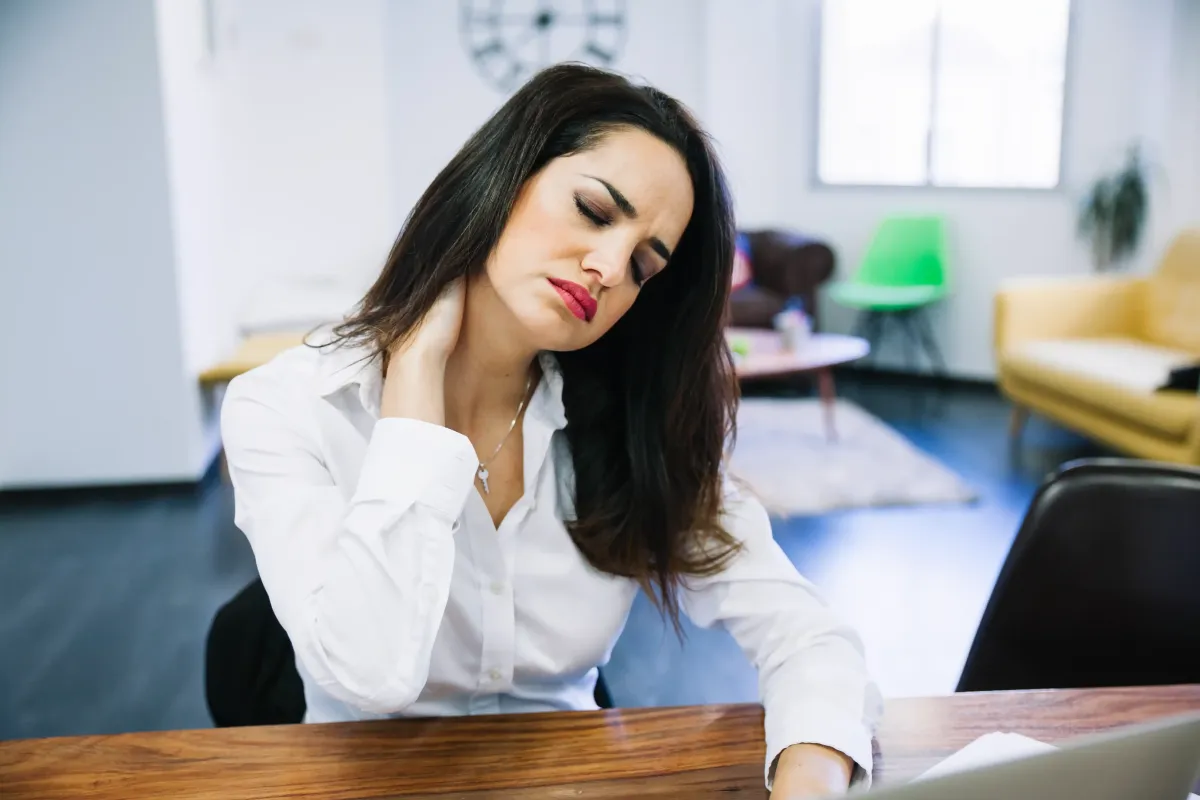
What Is Cervical Spinal Stenosis?
Cervical spinal stenosis happens when the spinal canal in your neck becomes narrower than normal, creating pressure on the spinal cord and surrounding nerves. This pressure can make simple daily tasks uncomfortable and, in some cases, limit your mobility. The condition is more common in people over 50 because age-related changes—such as arthritis and disc degeneration—slowly reduce the space available for the nerves.
Younger adults can develop cervical stenosis too, often because of injuries, herniated discs, scoliosis, tumors, or certain genetic factors. Regardless of age, the earlier you understand how the condition affects your spine, the easier it is to prevent symptoms from getting worse.
What Are the Symptoms of Cervical Spinal Stenosis?
Symptoms vary widely—some people have mild stiffness, while others experience constant discomfort that affects daily life. The most common symptoms include:
Neck pain or tightness
Numbness or tingling in the arms, hands, or shoulders
Weakness in the upper or lower limbs
Difficulty walking or standing for long periods
Balance problems or loss of coordination
Radiating pain into the back or legs
Reduced fine-motor control, such as difficulty buttoning clothes
When the pressure on the nerves becomes severe, additional symptoms may appear, including changes in bowel or bladder control. These signs require urgent medical evaluation to prevent long-term nerve damage.
What Causes Cervical Spinal Stenosis?
The most common cause is osteoarthritis. As the protective cartilage wears away, bone spurs can form and narrow the spinal canal. Other causes include:
Past injuries to the neck
Scoliosis or other spinal deformities
Thickening of ligaments around the spine
Tumors within the spinal canal
Certain genetic conditions
Although heavy lifting and repetitive strain don’t usually cause stenosis on their own, they can accelerate degeneration or worsen existing narrowing—especially if the neck is repeatedly stressed over many years.
What Should You Avoid With Cervical Spinal Stenosis?
Knowing what to avoid is one of the most effective ways to protect your spine and prevent symptoms from worsening. Because the spinal canal is already narrowed, certain movements, activities, and habits can increase pressure on the nerves.
High-Impact Sports
Activities that involve collisions, falls, or sudden forces can quickly irritate the spinal cord. Sports such as football, rugby, hockey, basketball, martial arts, and gymnastics place you at higher risk for flare-ups or injury. Even mild impacts can be harmful when the spinal canal is already compromised.
High-Impact Exercise
Movements that cause repeated jarring of the neck can aggravate symptoms. This includes:
Running on hard surfaces
Trampolining
High-impact aerobics
Volleyball (especially overhead hitting)
If you enjoy cardiovascular exercise, switch to low-impact options like walking, swimming, the elliptical machine, or stationary cycling. These activities support joint health without sending shock waves through the spine.
Heavy Lifting and Overhead Work
Lifting or carrying heavy objects increases strain on the neck and upper back. Overhead lifting is especially risky because it compresses the cervical spine and can trigger inflammation around already-sensitive nerves. Try to avoid:
Lifting more than 10–15 pounds
Overhead presses or overhead chores
Moving heavy furniture
Carrying large bags or backpacks on one shoulder
Proper body mechanics and professional guidance can help if your daily routine requires lifting.
Neck Hyperextension and Extreme Movements
Exercises that bend the neck too far backward or put it in extreme positions can temporarily narrow the spinal canal even more. Avoid:
Neck rolls or full circular movements
Deep backward head tilts
Headstands, handstands, or inverted yoga poses
Aggressive or forced neck stretching
If you enjoy stretching, stick to slow, controlled movements that keep your neck in a neutral position.
What Daily Habits Can Make Cervical Stenosis Worse?
Many flare-ups come from everyday habits rather than exercise or sports. Small movements repeated throughout the day can increase pressure on the neck and gradually worsen symptoms.
Poor Posture
Slouching or keeping the neck in a forward position for long periods places continuous stress on the cervical spine. Common posture mistakes include:
Looking down at a phone or tablet for long periods
Working at a computer without ergonomic support
Sleeping with multiple pillows that push the head forward
Sleeping on your stomach
Carrying a heavy bag on one shoulder
Correcting posture can significantly reduce nerve irritation. Aim to keep the ears aligned over the shoulders and use a supportive chair or properly positioned monitor while working.
Repetitive Neck Movements
Repetitive actions can inflame already sensitive nerves, including:
Painting overhead
Reaching up to high cabinets
Assembly-line tasks that involve constant neck motion
Long hours of driving without breaks
Moving with your whole body, rather than twisting the neck repeatedly, helps reduce strain.
Sudden, Jerky Movements
Abrupt movement can quickly tighten muscles around the cervical spine, leading to increased pain. Try to avoid:
Whipping your head to look sideways
Sudden stops while driving
Fast, uncontrolled movements during workouts
Quickly sitting up from bed without rolling to your side first
Gentle, steady movement is safer for the cervical spine.
Remaining Still Too Long
Although avoiding sudden motion is important, staying in one position for too long can also worsen symptoms. Prolonged sitting, bed rest, or working without breaks can stiffen the neck and increase inflammation. Moving for a few minutes every hour can help keep the spine flexible and reduce pressure on nerves.
When Should You Seek Medical Attention?
Cervical spinal stenosis can gradually worsen if left untreated. It’s important to talk to a doctor or specialist if you notice warning signs such as:
Increasing weakness in the arms or hands
Difficulty with balance or walking
Trouble using your fingers for fine tasks
Persistent pain that doesn’t improve with rest
Numbness or tingling that gets progressively worse
Loss of bladder or bowel control (medical emergency)
What Can Help You Manage Cervical Spinal Stenosis?
While certain movements and activities should be avoided, many patients can still stay active with the right approach. Treatment plans vary, but the following options often help improve comfort and mobility.
At-Home Strategies
Certain low-impact activities can reduce inflammation and support healthy movement:
Gentle stretching
Yoga or Pilates
Swimming or water aerobics
Short movement breaks
Strengthening the core, shoulder stabilizers, and upper back muscles helps support the cervical spine and reduce stress on the neck.
Activity Modifications
You may need to:
Reduce overhead reaching
Avoid lifting heavy items
Take more breaks during work
Use ergonomic devices such as supportive chairs, adjustable monitors, or standing desks
If your neck pain, stiffness, or nerve symptoms are getting in the way of daily life, expert help is close by. Call (973)-241-1338 to schedule your appointment today and start feeling better with the right guidance.
FAQs About Cervical Spinal Stenosis
Can I still exercise?
Yes. Staying active is helpful, but you’ll need to focus on low-impact movements and avoid anything that jars the neck or pushes it into extreme positions. Swimming, walking, gentle mobility work, and using an elliptical machine are good options.
Is side sleeping safe?
Side sleeping is generally more supportive than sleeping on your stomach. Use a pillow that keeps your neck aligned with your spine, not tilting up or down.
How much weight is safe to lift?
Most patients should avoid lifting more than 10–15 pounds, especially overhead. The safe limit varies from person to person, so discuss lifting guidelines with your provider or physical therapist.
Should I wear a neck brace?
A neck brace may help temporarily during flare-ups, but long-term use can weaken the muscles that support the spine. Only use a brace under medical supervision.
Can stress make symptoms worse?
Yes. Stress increases muscle tension in the neck and shoulders, which can intensify nerve compression. Relaxation techniques such as deep breathing or meditation can help reduce overall muscle tension.
What patients are saying
"I recently had ankle surgery and Clifton PT has been nothing short of amazing! My goal was to get back to playing soccer as quick as possible before the college season started and so far I'm right on track. Izzy, Bianca, Tiff, and John have gone above and beyond to make sure I'm back to 100%. Couldn't be more grateful to be treated by the best team ever!." - Nat Rufino

All the therapists at Clifton Physical Therapy are awesome, but I spend most of my time with Izzy and Bianca—and they’ve been amazing. They’re enthusiastic, knowledgeable, and always take the time to explain what I’m doing and what my issues are. Their positive energy and clear communication make a big difference in my recovery." - Bryan Tompkins
"Going Clifton physical therapy was one of the best thing that came out of my back pain! Every single staff member is amazing and cares for your recovery! I have been with them for the past couple of months and now continuing their workout program! I can’t recommend them enough! Tiffany, Izzy, Bianca and everyone else I have worked with there! Can’t rave about them enough!!." - Monica Mehta
"Clifton Physical Therapy has been a great place for me to heal my meniscus tear. The staff is very knowledgeable and friendly, and has been extremely helpful in guiding me through my recovery. I highly recommend their services.." - Kelly Bevando
Clifton Physical Therapy
✆ Phone (appointments): (973)-241-1338
Address: 1059 Bloomfield Ave, Clifton, NJ 07012
Clifton Physical Therapy | cliftonphysio.com


