Shin Splints Treatment in New Jersey
Clifton Physical Therapy
What Are Shin Splints?
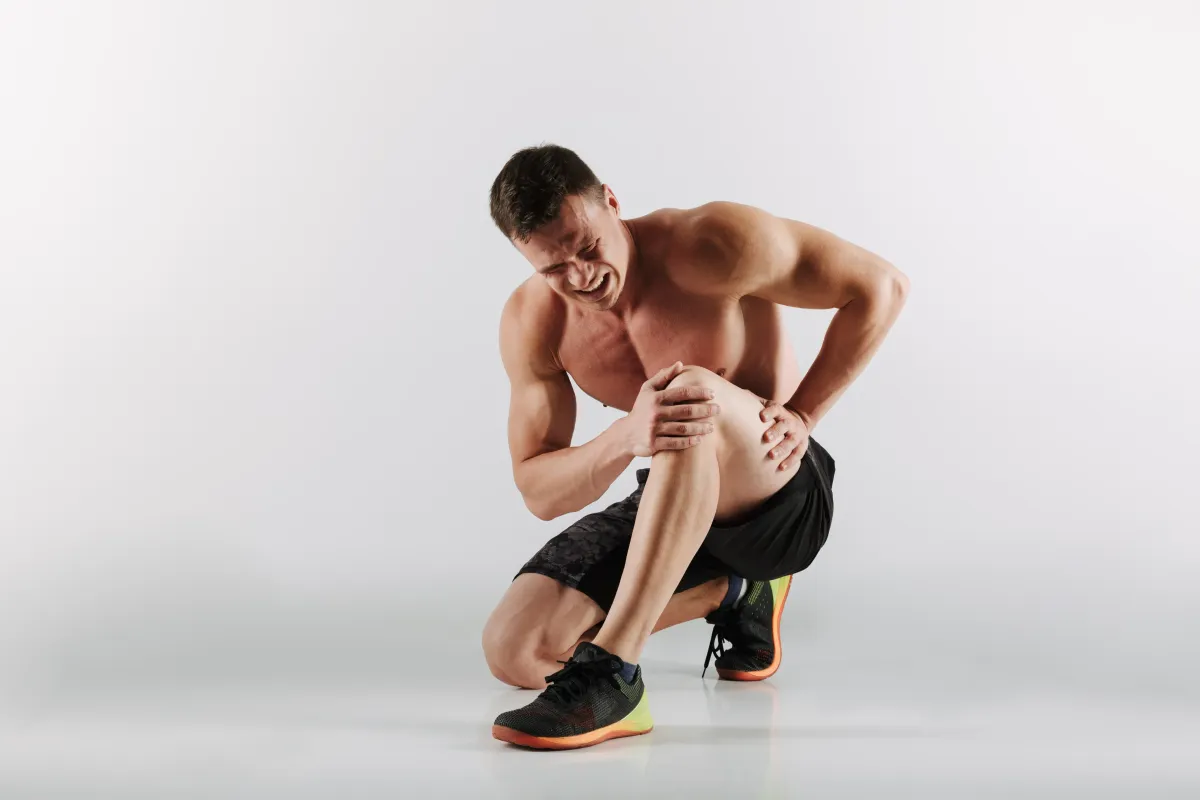
Shin splints, medically called tibial stress syndrome, develop when the tissues surrounding the shinbone become irritated from repeated stress. This condition is especially common among runners, dancers, and athletes who spend a lot of time on their feet. The pain usually starts gradually and may worsen with continued activity.
Most patients describe it as a dull, aching sensation along the shin that can progress to discomfort during simple tasks like walking or climbing stairs. Without proper care, the irritation can linger and interfere with your ability to train or stay active.
What Types of Shin Splints Do We Treat?
Shin splints typically fall into two categories, and understanding which one you have helps us design an effective treatment plan:
Medial Tibial Stress Syndrome (MTSS)
This is the most common form. Pain appears along the inner edge of the shinbone and is often linked to inflammation of the muscles, tendons, and bone tissue that support the tibia.
Anterior Tibial Stress Syndrome
This type affects the front of the shin and involves the muscles responsible for lifting the foot. It often occurs when training intensity increases too quickly or when the front-shin muscles become overloaded.
Both types share similar symptoms — pain during activity, tenderness to touch, and relief with rest — but the exact location and behavior of the pain help us differentiate between them during your evaluation.
What Are the Symptoms of Shin Splints?
While symptoms vary from person to person, most individuals with shin splints experience:
Aching or throbbing pain along the front or inner part of the shin
Tenderness or mild swelling in the lower leg
Pain that flares during running, jumping, or prolonged activity
Relief when resting but returning discomfort with movement
Soreness when pressing along the shinbone
If these symptoms match what you’re feeling, you’re not alone — many of our New Jersey patients experience the same pattern before starting treatment.
What Causes Shin Splints?
Shin splints happen when the lower leg is forced to handle more stress than its tissues can tolerate. Several factors increase the risk:
A sudden increase in training intensity or weekly mileage
Running on hard or uneven surfaces
Flat feet or excessive inward foot rolling (overpronation)
Muscle weakness in the calves, hips, or core
Tightness in the lower-leg muscles
Worn-out or unsupportive footwear
Improper running mechanics or form changes
Differences in leg length or alignment
Research in Sports Health and the Journal of Orthopaedic & Sports Physical Therapy highlights that poor load management and muscle imbalances are major contributors. At Clifton Physical Therapy, these findings guide how we evaluate your mechanics and structure your treatment plan to reduce strain on the shin and help prevent future flare-ups.
How Is Shin Splints Diagnosis Handled at Clifton Physical Therapy?
When you visit our New Jersey clinic with symptoms of shin splints, we begin with a detailed, one-on-one assessment. Our goal is to confirm whether you’re dealing with medial tibial stress syndrome, anterior tibial stress syndrome, or a different condition such as a stress fracture — which can sometimes mimic shin splints.
Your evaluation typically includes:
A review of your training routine, footwear, running surface, and any recent spikes in activity
Hands-on examination of the shin to identify the exact source of tenderness
Analysis of your foot mechanics, including flat feet and overpronation
Strength and flexibility testing for your calves, hips, and core
Gait and movement assessment to uncover biomechanical overload patterns
If your symptoms raise concern for a stress fracture — such as pinpoint pain, swelling, or symptoms that don’t improve with rest — we may recommend imaging like an X-ray or MRI. Proper diagnosis ensures you receive the safest and most effective treatment plan from the start.
What Does Physical Therapy Treatment Involve?
At Clifton Physical Therapy, shin splints treatment follows a structured, three-phase approach designed to calm irritation, rebuild strength, and help you return to activity with confidence.
Phase 1: Pain Relief & Load Modification
This stage focuses on reducing irritation around the tibia.
You may benefit from:
Temporary reduction of high-impact activity
Ice therapy and soft-tissue mobilization
Manual therapy for tight calf and shin muscles
Cross-training alternatives like cycling or swimming
Footwear and surface recommendations
Many patients notice relief quickly once excessive stress on the shin is reduced.
Phase 2: Strengthening & Movement Correction
Once your pain begins to settle, we shift toward rebuilding strength and improving how your body manages impact.
Your therapist may include:
Eccentric heel drops
Toe-raises for anterior tibialis strengthening
Single-leg balance training
Hip and glute strengthening
Core stability exercises
Running gait corrections, such as step-rate adjustments
Manual therapy may be added to increase tissue mobility and reduce lingering tightness.
This phase builds the resilience your leg needs to tolerate running and sports again.
Phase 3: Return-to-Run & Long-Term Prevention
When the shin no longer feels tender and daily movement is pain-free, we guide you through a structured return-to-run progression.
This phase includes:
A personalized run-walk program
Monitoring symptoms to avoid flare-ups
Education on gradual mileage increases
Footwear rotation and surface variation
Warm-up and cool-down routines
Long-term exercises for ongoing strength and mobility
Our goal is not only to help you recover — but to help you stay pain-free so you can train with confidence.
Community Insights on Shin Splints Recovery
“What finally helped me was building strength in my tibialis anterior. Once I started doing focused dorsiflexion work, the improvement was noticeable.”
“Adding tib-raises to my routine made a huge difference in easing my shin splints.”
“Strengthening the right muscles changed everything for me. It helped not only my shin splints but also my IT band and plantar fasciitis. After years of inner shin pain, a PT showed me the exact muscle causing the issue, and I’ve been able to train consistently again.”
“My shin splints kept coming back for more than a year, and I eventually realized I needed guidance from a physical therapist.”
“For me, weighted calf raises were the long-term solution. It was the only exercise that truly stopped the pain.”
Source: Reddit
Call us at (973)-241-1338 to book your appointment today.
What patients are saying
"I recently had ankle surgery and Clifton PT has been nothing short of amazing! My goal was to get back to playing soccer as quick as possible before the college season started and so far I'm right on track. Izzy, Bianca, Tiff, and John have gone above and beyond to make sure I'm back to 100%. Couldn't be more grateful to be treated by the best team ever!." - Nat Rufino

All the therapists at Clifton Physical Therapy are awesome, but I spend most of my time with Izzy and Bianca—and they’ve been amazing. They’re enthusiastic, knowledgeable, and always take the time to explain what I’m doing and what my issues are. Their positive energy and clear communication make a big difference in my recovery." - Bryan Tompkins
"Going Clifton physical therapy was one of the best thing that came out of my back pain! Every single staff member is amazing and cares for your recovery! I have been with them for the past couple of months and now continuing their workout program! I can’t recommend them enough! Tiffany, Izzy, Bianca and everyone else I have worked with there! Can’t rave about them enough!!." - Monica Mehta
"Clifton Physical Therapy has been a great place for me to heal my meniscus tear. The staff is very knowledgeable and friendly, and has been extremely helpful in guiding me through my recovery. I highly recommend their services.." - Kelly Bevando
Clifton Physical Therapy
✆ Phone (appointments): (973)-241-1338
Address: 1059 Bloomfield Ave, Clifton, NJ 07012
Clifton Physical Therapy | cliftonphysio.com


