Red Light Therapy for Pain Relief in NJ
Clifton Physical Therapy
What Is Red Light Therapy and Why Is It Used for Pain?
Hip and
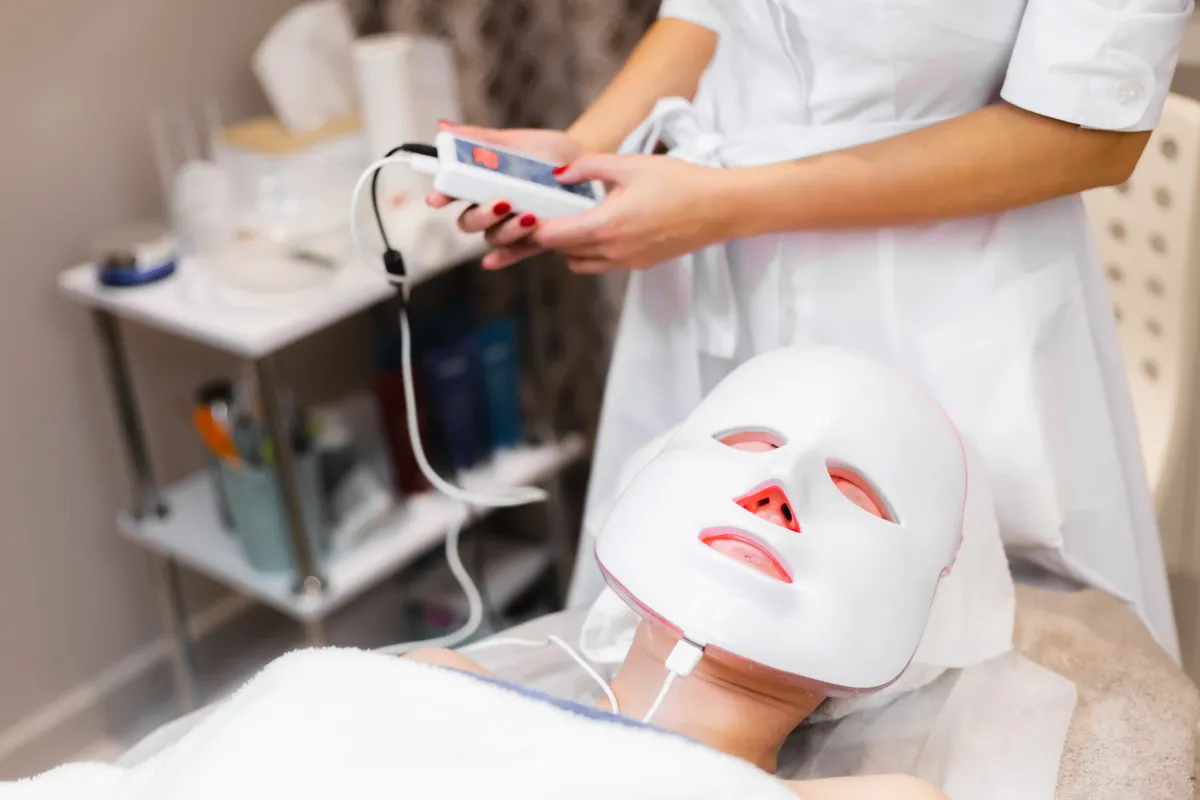
Red light therapy is a non-invasive treatment that uses specific wavelengths of red and near-infrared light to support the body’s natural healing process. While it’s often marketed for skin care, its role in pain management is what’s drawing serious attention in clinical settings.
In simple terms, this therapy delivers light energy into your tissues without heat or damage. Once absorbed, it interacts with your cells to improve how they function. That matters for pain because most chronic discomfort—whether from injury, overuse, or joint issues—comes down to inflammation, poor circulation, and slow tissue repair.
For patients dealing with conditions like tendonitis, joint pain, or muscle soreness, red light therapy offers a way to address the underlying problem instead of just masking symptoms.
How Does Red Light Therapy Actually Reduce Pain?
The key lies in how your cells respond to light.
Inside each cell are mitochondria, often called the “power generators.” Red light stimulates these mitochondria to produce more energy (ATP). With more energy available, your cells can repair damage more efficiently and function at a higher level. Here’s how that translates into pain relief:
Reduced inflammation
Improved blood flow
Faster tissue repair
Lower pain sensitivity
Unlike medications that temporarily block pain signals, this approach focuses on improving the environment inside your tissues so healing can happen more naturally.
What Types of Pain Can Red Light Therapy Help With?
Research is still evolving, but there’s enough evidence to support its use for several common pain conditions treated in physical therapy settings. At Clifton Physical Therapy, red light therapy is often considered for:
Chronic joint pain (including knee and shoulder issues)
Tendon injuries such as Achilles tendonitis or tennis elbow
Muscle strains and post-exercise soreness
Carpal tunnel syndrome and repetitive strain injuries
Arthritis-related discomfort, especially inflammatory types
Lower back and neck pain
Some studies show reduced delayed onset muscle soreness (DOMS) and improved muscle performance when used before or after exercise. Others suggest modest but meaningful improvements in pain and function for tendon and joint conditions.
What to Expect During a Red Light Therapy Session
If you’re considering this treatment in a clinical setting, the experience is straightforward and comfortable.
During a session:
A therapist positions a red light device over the affected area
The light is applied for several minutes, depending on the condition
You’ll feel little to no heat—most patients describe it as relaxing
Protective eyewear may be used if needed
Sessions are typically short, but consistency matters. Most patients need multiple sessions per week over several weeks to see meaningful improvement.
At Clifton Physical Therapy, red light therapy is usually combined with other evidence-based treatments like manual therapy and targeted exercises. This integrated approach tends to produce better outcomes than relying on a single method alone.
Does Red Light Therapy Really Work for Pain Relief?
This is where it’s important to stay grounded. Red light therapy shows promise, but it’s not a magic fix.
Some clinical studies report improvements in pain, inflammation, and function—especially for tendon injuries and certain inflammatory conditions. For example, research on tendinopathy and muscle recovery has shown reduced soreness and better performance when light therapy is used consistently. There’s also evidence suggesting short-term relief for people with rheumatoid arthritis. But there are limitations:
Many studies are small or use different protocols
Not all trials include placebo comparisons
Results can vary depending on the device and wavelength used
In practical terms, this means red light therapy can be a helpful tool—but it works best as part of a structured treatment plan, not as a standalone solution.
Is Red Light Therapy Safe?
For most people, yes—when used correctly.
Red light therapy is non-invasive, drug-free, and doesn’t use harmful ultraviolet (UV) radiation. That makes it very different from treatments like tanning beds or certain aggressive skin procedures. That said, a few precautions matter:
Eye protection is important, especially when treating areas near the face
Overuse can cause irritation, such as temporary redness
Long-term safety data is still limited, though short-term use appears safe
If you have a history of light sensitivity, eye conditions, or are taking medications that increase sensitivity to light, it’s worth discussing with a healthcare provider first.
Are At-Home Devices Worth It?
You’ve probably seen masks, panels, and handheld devices marketed online. They’re widely available, but there’s a catch.
Most at-home devices:
Use lower power levels
Deliver less consistent wavelengths
Require longer and more frequent use
That doesn’t mean they’re useless—but expectations need to be realistic. You may see mild improvements over time, but results are typically slower and less noticeable compared to clinical-grade equipment.
At Clifton Physical Therapy, devices are stronger and treatments are guided based on your specific condition. That usually leads to more efficient and targeted results.
How Many Sessions Will You Need?
Red light therapy isn’t a one-and-done treatment. The number of sessions depends on:
The type of condition
How long you’ve had the pain
How your body responds to treatment
A typical plan might include:
2–3 sessions per week in the beginning
Gradual reduction as symptoms improve
Periodic maintenance sessions if needed
Consistency plays a big role. Patients who stick to their plan tend to see better outcomes than those who try it once or twice and stop.
How Does It Compare to Other Pain Treatments?
Red light therapy stands out because it supports healing without adding stress to the body. But it’s not meant to replace everything else.
Here’s how it fits in:
Vs. medication: Doesn’t just mask pain, but takes longer to show results
Vs. injections: Less invasive, but effects may be more gradual
Vs. exercise therapy: Works best when combined, not used alone
Physical therapy remains the foundation for long-term recovery. Strengthening weak muscles, improving mobility, and correcting movement patterns are what prevent pain from coming back.
Is Red Light Therapy Right for You?
It depends on your specific condition and goals. You may be a good candidate if you’re dealing with:
Ongoing joint or muscle pain
A tendon injury that isn’t healing well
Inflammation-related discomfort
Post-workout soreness or recovery issues
The best way to know is through a proper evaluation. Not all pain responds the same way, and in some cases, other treatments may be more effective.
At Clifton Physical Therapy, treatment plans are built around your condition, not just your symptoms. Red light therapy may be included if it fits your needs, alongside proven physical therapy techniques designed to restore movement and reduce pain.
Call (973)-241-1338 to schedule your consultation and take the first step toward lasting relief.
What patients are saying
"I recently had ankle surgery and Clifton PT has been nothing short of amazing! My goal was to get back to playing soccer as quick as possible before the college season started and so far I'm right on track. Izzy, Bianca, Tiff, and John have gone above and beyond to make sure I'm back to 100%. Couldn't be more grateful to be treated by the best team ever!." - Nat Rufino

All the therapists at Clifton Physical Therapy are awesome, but I spend most of my time with Izzy and Bianca—and they’ve been amazing. They’re enthusiastic, knowledgeable, and always take the time to explain what I’m doing and what my issues are. Their positive energy and clear communication make a big difference in my recovery." - Bryan Tompkins
"Going Clifton physical therapy was one of the best thing that came out of my back pain! Every single staff member is amazing and cares for your recovery! I have been with them for the past couple of months and now continuing their workout program! I can’t recommend them enough! Tiffany, Izzy, Bianca and everyone else I have worked with there! Can’t rave about them enough!!." - Monica Mehta
"Clifton Physical Therapy has been a great place for me to heal my meniscus tear. The staff is very knowledgeable and friendly, and has been extremely helpful in guiding me through my recovery. I highly recommend their services.." - Kelly Bevando
Clifton Physical Therapy
✆ Phone (appointments): (973)-241-1338
Address: 1059 Bloomfield Ave, Clifton, NJ 07012


