Quadratus Lumborum Rehab in NJ
Clifton Physical Therapy
What Is the Quadratus Lumborum and Why It Matters
The quadratus lumborum (QL) is one of the deepest muscles in your lower back. You have one on each side of your spine, connecting your pelvis (iliac crest) to the lumbar vertebrae and the bottom of your 12th rib. Despite its small size, the QL plays a crucial role in everyday movement and stability. This muscle helps you:
Bend sideways
Extend your lower back
Stabilize your spine and pelvis when standing, walking, or lifting
Assist with breathing by stabilizing the lowest rib
Because it works constantly, the QL can become tight or sore from activities like carrying a bag on one side, twisting while reaching, or standing unevenly for long periods.
Why One-Sided Low Back Pain Often Points to the QL
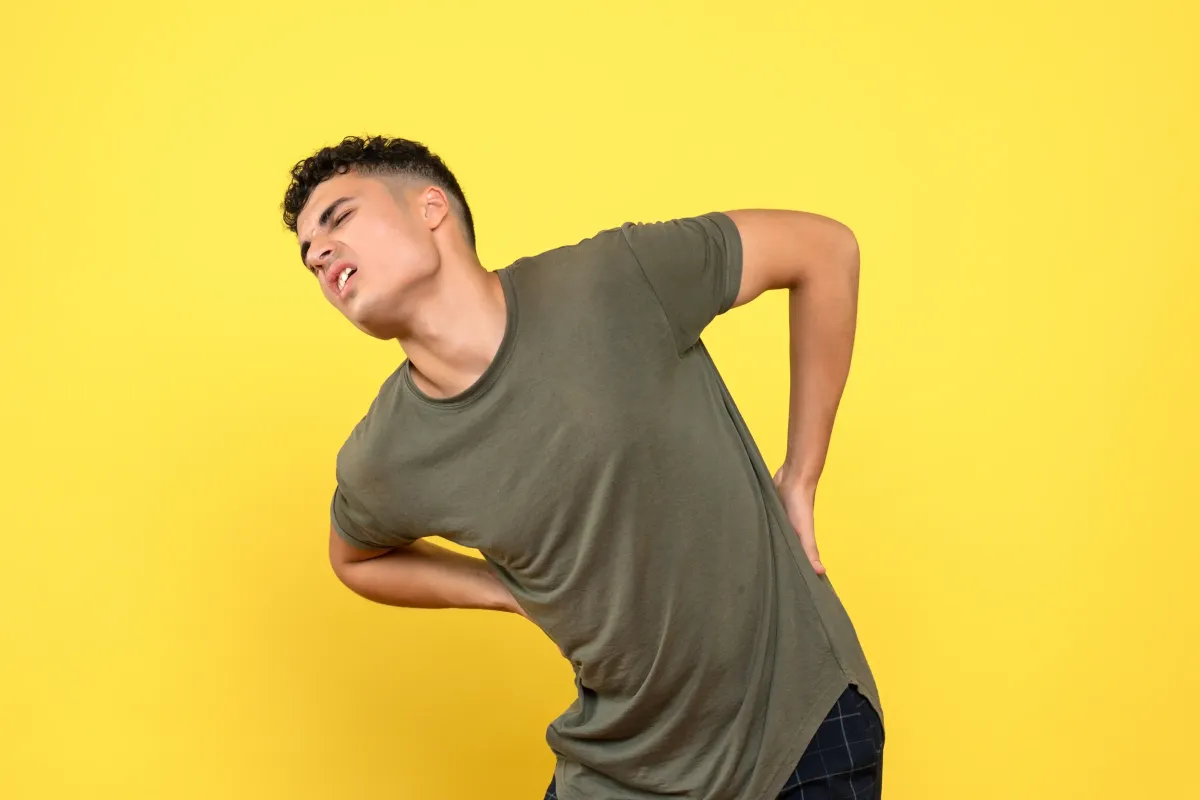
Many patients in search for a “QL strain” when experiencing sharp pain on one side of the lower back, especially with side bending or twisting. While the QL can contribute to pain, it is rarely the sole cause.
There are two main reasons why isolating the QL is tricky:
It’s deep and surrounded by other muscles. The QL lies beneath larger muscles like the lats and paraspinals, making it hard to target directly.
It works with other structures. The QL shares responsibility with surrounding muscles, ligaments, and even parts of the iliolumbar ligament, meaning side bending or extension always involves multiple tissues.
Common Causes of Quadratus Lumborum Pain
QL-related discomfort typically presents in one of two ways:
1. Overactive and Guarding:
The muscle can become protective and stay tight in response to stress. Triggers may include:
Sudden increases in physical activity, like returning to sports after a break
Shoveling snow or repetitive lifting
Prolonged sitting followed by sudden movement
Weakness in nearby muscles, causing the QL to compensate
Symptoms in this state often include stiffness, soreness, or spasms, described as a “locked-up” feeling on one side of the lower back.
2. True Muscle Strain:
Less commonly, the QL can be overstretched during forceful side bending or rotational movements, such as during golf swings or lifting heavy objects. This may cause:
Sharp, pulling pain in the lower back
Pain with deep breaths
Discomfort when moving from sitting to standing
Localized tenderness
Regardless of the cause, complete rest is usually not recommended. Controlled movement and progressive strengthening are key to recovery.
Early-Stage Management of QL Pain
Early management focuses on reducing pain while keeping the muscle active. Think of it like treating a mild ankle sprain: avoid aggravating movements but maintain gentle motion.
1. Relative Rest, Not Bed Rest:
Avoid activities that worsen symptoms, such as heavy lifting or long periods of sitting
Modify sports or exercise routines rather than stopping all activity
2. Gentle Movement:
Cat-cow stretches
Light lumbar rotations
Side-to-side shifting
These movements maintain mobility without causing pain.
3. Breathing Exercises:
The QL stabilizes the lowest rib, so proper breathing helps relax the muscle:
Sit or lie comfortably
Place one hand on your abdomen and one on your chest
Breathe slowly, letting your lower ribs expand
4. Walking:
Regular walking promotes circulation, reduces stiffness, and helps maintain overall fitness. For many patients in NJ, walking is an easy and effective early rehabilitation activity.
Exercises to Strengthen and Calm the Quadratus Lumborum
Once pain and stiffness begin to ease, the focus shifts to building endurance and stability. The goal is not to isolate the QL but to improve how your entire trunk handles side bending, rotation, and extension.
Side Bend Stability Exercises:
Side Plank (Isometric) – Support yourself on your forearm with a straight body line. Beginners can bend knees or elevate the upper body on a bench.
Suitcase Carry – Hold a weight in one hand, stand tall, and resist leaning to the side. You can walk slowly or stay in place.
Roman Chair Side Hold – With hips supported, hold your trunk straight. The more horizontal you are, the harder it becomes.
Prescription: 2–3 sets of 30–60 seconds, progressing gradually with time, weight, or body position adjustments.
Dynamic Side Bending (Once Tolerated):
Side Plank Hip Lifts – From a side plank, lower your hip toward the floor and lift back up slowly.
Suitcase Carry Side Bends – Slowly reach toward the floor and return upright with control.
Roman Chair Side Bends – Lower your trunk and return to neutral, optionally adding light weight.
Focus on slow, controlled repetitions, 2–3 sets of 8–15 reps. Unilateral exercises like split squats with a weight on one side also help train lateral trunk control.
Safe Back Extension Strengthening
The QL assists in lumbar extension but works with the glutes and spinal muscles. Building endurance safely is essential.
Isometric Options:
Roman Chair Back Extension Hold – Hold trunk straight with hip support, adjusting horizontal position for difficulty.
Prone Superman (Modified) – Lift upper, lower, or full body gently. Only raise as comfortable.
Bird Dogs & Bridges – Strengthen glutes and lower back simultaneously.
Dynamic Options:
Roman Chair Back Extensions – Controlled lowering and lifting.
Deadlift Variations – Romanian, single-leg, or conventional, focusing on hip hinging with a neutral lower back.
Bridges/Hip Thrusts – Bodyweight or loaded, single or double leg.
Perform 2–3 sets of 8–15 reps, gradually adding range of motion or resistance.
Integrating a Rehab Program
A structured plan in New Jersey should combine mobility, stability, and strength 2–3 times per week:
Early Phase: Side planks, gentle back extension holds, breathing work
Progressive Phase: Roman chair lateral holds, prone superman, suitcase carries
Advanced Phase: Dynamic side bends, hip hinge variations, integrated unilateral movements
Progression should be gradual, increasing one variable at a time—time under tension, load, or movement range. The combination of exercises ensures long-term resilience and reduces the risk of recurring pain.
Stretching the Quadratus Lumborum
Gentle stretching can complement strengthening when tightness persists:
Seated Stretch: Sit near a chair edge, extend one leg, and reach overhead, bending away from the tight side.
Standing Stretch: Raise your arm and lean gently away from the sore side, adding a slight forward hinge if comfortable.
Floor 90/90 Variation: Anchor the pelvis, rotate, and bend the trunk away to deepen the stretch.
Stretching should feel like a mild pull, never sharp pain. If discomfort spikes, return to stability work until the muscle tolerates gentle elongation.
When to Seek Professional Care
If one-sided low back pain continues beyond a few weeks, keeps recurring, or affects sleep or daily activity, a physical therapy evaluation is recommended. A qualified therapist will assess:
Hip strength and mobility
Core endurance
Breathing mechanics
Activity patterns and posture
Daily habits, including sitting and lifting
At Clifton Physical Therapy, our team creates personalized programs targeting the root causes of QL pain, not just the symptoms. This ensures safe, effective recovery and helps prevent future flare-ups.
Final Thoughts
The QL is a small but essential stabilizer of your lower back and pelvis. Most one-sided low back pain improves with:
Smart activity modification
Gradual mobility work
Progressive stability and strength training
Lifestyle and training habit adjustments
Consistent, structured rehabilitation not only reduces current discomfort but builds resilience for long-term spinal health. For personalized guidance in New Jersey, call Clifton Physical Therapy at (973)-241-1338 to schedule an evaluation and start a focused QL rehab program.
What patients are saying
"I recently had ankle surgery and Clifton PT has been nothing short of amazing! My goal was to get back to playing soccer as quick as possible before the college season started and so far I'm right on track. Izzy, Bianca, Tiff, and John have gone above and beyond to make sure I'm back to 100%. Couldn't be more grateful to be treated by the best team ever!." - Nat Rufino

All the therapists at Clifton Physical Therapy are awesome, but I spend most of my time with Izzy and Bianca—and they’ve been amazing. They’re enthusiastic, knowledgeable, and always take the time to explain what I’m doing and what my issues are. Their positive energy and clear communication make a big difference in my recovery." - Bryan Tompkins
"Going Clifton physical therapy was one of the best thing that came out of my back pain! Every single staff member is amazing and cares for your recovery! I have been with them for the past couple of months and now continuing their workout program! I can’t recommend them enough! Tiffany, Izzy, Bianca and everyone else I have worked with there! Can’t rave about them enough!!." - Monica Mehta
"Clifton Physical Therapy has been a great place for me to heal my meniscus tear. The staff is very knowledgeable and friendly, and has been extremely helpful in guiding me through my recovery. I highly recommend their services.." - Kelly Bevando
Clifton Physical Therapy
✆ Phone (appointments): (973)-241-1338
Address: 1059 Bloomfield Ave, Clifton, NJ 07012
Clifton Physical Therapy | cliftonphysio.com


