
Pulled Groin Symptoms in Females: Prevention & Treatments
Clifton Physical Therapy
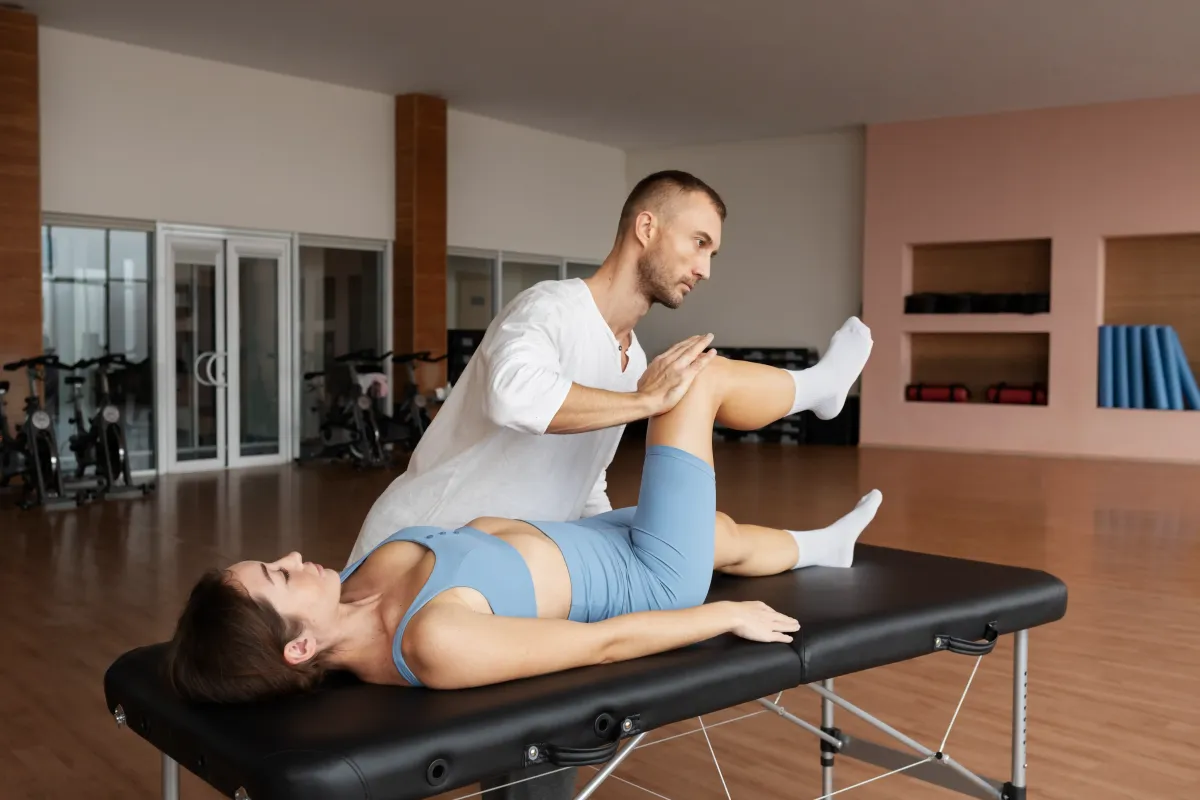
Groin pain in women is common, especially among active adults and athletes. In many cases, the cause is a pulled groin. But not all groin pain is the same. Understanding the symptoms, causes, and treatment options can help you recover faster and avoid repeat injuries.
Where Are the Groin Muscles and What Do They Do?
The groin muscles are primarily made up of the adductors, a group of fan-shaped muscles that run from the inner pelvis to the inner thigh bone (femur). These muscles include:
Adductor longus
Adductor brevis
Adductor magnus
Gracilis
Pectineus
Their main job is to pull your leg inward toward the midline of your body. They also:
Stabilize the hip joint
Support balance
Assist with walking, running, cutting, and kicking
Help control side-to-side movements
When these muscles are strong and flexible, they allow smooth, pain-free movement. When overstretched or overloaded, they can partially tear. That’s what we call a groin strain or pulled groin.
Because the groin muscles connect to the pelvis and hip, problems here can affect your entire lower body, including the hips, knees, and even the lower back.
What Causes a Pulled Groin in Females?
A groin strain happens when the muscle fibers stretch beyond their limit. This can occur suddenly or develop gradually over time.
Common causes include:
Sudden movements
Quick changes in direction
Awkward twisting
Sprinting or jumping
Rapid starts and stops
This is why sports like soccer, football, hockey, and lacrosse frequently lead to groin injuries.
Overuse and repetitive stress
Repeated cutting, kicking, or lateral movements can overload the adductor muscles, especially in the dominant leg.
Direct trauma
A fall, collision, or blow to the inner thigh can strain the muscle.
Heavy lifting
Improper lifting mechanics can strain the groin and lower abdominal region.
Important for Women
While groin pulls are common, groin pain in females can also come from other conditions, such as:
Ovarian cysts
Urinary tract infections (UTIs)
Kidney stones
Hip joint issues like osteoarthritis
Femoroacetabular impingement (hip impingement)
Sports hernia (athletic pubalgia)
Hip fractures
If your pain is severe, worsening, or accompanied by fever, chills, or urinary symptoms, it’s important to seek medical evaluation. Not every groin pain is a muscle strain.
What Are the Symptoms of a Pulled Groin in Females?
The symptoms depend on how severe the injury is.
Common pulled groin symptoms include:
Pain or tenderness along the inner thigh
Discomfort when lifting your knee
Pain when bringing your legs together
Tightness in the groin area
Reduced strength
Mild swelling
Some women report feeling or hearing a “pop” at the time of injury, followed by sharp pain.
Pulled Groin vs Torn Groin
Think of it like stretching an elastic band:
A pulled groin involves overstretched muscle fibers. It feels sore or tight and may allow you to walk with mild discomfort.
A torn groin involves partial or complete tearing of muscle fibers. Pain is sharper, walking becomes difficult, and bruising or swelling may appear.
Groin Strain Grades
Grade 1 (Mild)
Minor tearing
Pain but minimal strength loss
Usually heals within a few weeks
Grade 2 (Moderate)
Partial tear
More noticeable weakness
Swelling and bruising may develop
Recovery often takes 4–6 weeks
Grade 3 (Severe)
Complete or near-complete tear
Severe pain
Difficulty walking or lifting the leg
Significant weakness
Recovery may take 8–12 weeks or longer
Most groin strains heal without surgery, even moderate tears. But a proper evaluation ensures you follow the right recovery timeline.
How Is a Pulled Groin Treated?
Treatment depends on the severity of the strain, but most cases respond well to conservative care.
Early Phase: The P.E.A.C.E. and L.O.V.E. Approach
Modern soft-tissue care often follows the P.E.A.C.E. and L.O.V.E. model:
P.E.A.C.E.
Protect the area from further stress
Elevate if swelling is present
Avoid anti-inflammatory overuse
Compress
Educate yourself about active recovery
L.O.V.E.
Load gradually
Stay optimistic
Maintain vascular activity
Exercise progressively
Unlike older advice that focused heavily on rest and ice, current research suggests that gentle, guided movement supports better tissue healing.
Should You Use Ice?
Ice may help reduce pain and swelling in the first 24–48 hours. However, overuse of ice or anti-inflammatory medication may interfere with the natural healing response. Use it thoughtfully and short-term if needed.
When Is Surgery Needed?
Surgery is rare and usually reserved for:
Complete tears
Significant tendon avulsions
Cases that do not improve with rehabilitation
Most women recover fully with structured rehabilitation.
How Can Physical Therapy Help a Pulled Groin?
Physical therapy is one of the most effective ways to recover from a groin strain and reduce the risk of it happening again.
Many women assume they just need rest. Rest is helpful early on, but structured rehabilitation is what restores strength, flexibility, and confidence.
What Happens During Physical Therapy?
A physical therapist will first determine:
Whether the injury involves the muscle or tendon
The severity of the strain
If the pain is actually coming from the hip joint, lower back, or another source
Groin pain can sometimes be linked to hip osteoarthritis, femoroacetabular impingement, or even a sports hernia. A proper assessment makes sure you are treating the correct problem.
Early Phase
In the beginning, therapy focuses on:
Pain management
Gentle activation of the adductor muscles
Restoring light range of motion
This might include isometric squeezes, light stretching, and controlled movements.
Strength Phase
As pain improves, strengthening becomes the priority:
Core stabilization work
Hip and glute strengthening
Progressive resistance training
Research published in the British Journal of Sports Medicine and the Journal of Orthopaedic & Sports Physical Therapy has shown that targeted strengthening significantly reduces reinjury rates in athletes with groin strains.
Return-to-Sport Phase
For active women and athletes, rehab progresses to:
Lateral movement drills
Cutting and pivoting
Sprinting
Sport-specific exercises
One of the biggest reasons groin injuries return is stopping rehab too early. Completing the full program helps ensure the muscles are stronger than before the injury.
How Long Does It Take to Recover?
Recovery time depends entirely on the severity of the strain.
Here is a general guide:
Mild strain (Grade 1): 1 to 3 weeks
Moderate strain (Grade 2): 4 to 6 weeks
Severe strain (Grade 3): 8 to 12 weeks or longer
Healing also depends on:
Your overall fitness level
How quickly treatment begins
Whether you follow a structured rehab plan
Avoiding an early return to activity
Rushing back too soon is one of the most common reasons for reinjury. If your pain persists beyond a few weeks or keeps coming back, it may not be a simple muscle strain. An evaluation can rule out hip joint problems, osteitis pubis, or other conditions.
How Can Females Prevent Groin Strains?
Prevention is possible, especially for active women.
1. Warm Up Properly
Always prepare your muscles before activity. A proper warm-up should include:
Light cardio
Dynamic stretching
Controlled lateral movements
Cold, tight muscles are more likely to tear.
2. Strengthen the Adductors
Strong inner thigh muscles are more resistant to strain. Include:
Adductor squeezes
Side lunges
Resistance band adduction
Copenhagen plank variations
Balanced hip strength is key. Weak glutes and core muscles increase stress on the groin.
3. Increase Training Gradually
Avoid sudden spikes in intensity. A general rule is to increase volume or intensity by no more than 10 percent per week.
Sudden workload changes are a common cause of groin injuries.
4. Wear Supportive Footwear
Shoes that match your sport and foot mechanics can reduce stress through the lower body.
5. Listen to Early Warning Signs
Tightness, mild soreness, or repeated inner thigh discomfort should not be ignored. Early intervention prevents small strains from becoming larger tears. Physical therapy is not just for injuries. Many female athletes use it proactively to stay strong and avoid setbacks.
When Should You See a Doctor?
While many groin pulls improve with conservative care, certain symptoms require medical evaluation. Seek medical attention if you experience:
Severe pain after a fall or accident
Inability to walk
Significant swelling or bruising
Fever or chills
Burning with urination
Persistent or worsening pain
Groin pain in women can sometimes be caused by:
Urinary tract infections
Kidney stones
Ovarian cysts
Hip joint arthritis
Hip impingement
Sports hernia
Rarely, fractures
If pain does not improve with rest and basic care, or if symptoms feel different than a muscle strain, it is best to get checked.
Key Takeaway
Groin strains are common in active women, but they are treatable. A pulled groin usually heals within weeks. A torn groin takes longer but responds well to structured rehabilitation. The most important steps are:
Get the correct diagnosis
Start appropriate treatment early
Follow a progressive strengthening program
Avoid rushing back to activity
Groin pain does not have to sideline you. If you are dealing with a pulled or torn groin, the team at Clifton Physical Therapy can help you recover safely and get back to moving with confidence. Call (973)-241-1338 to schedule your evaluation today and start your personalized treatment plan.
What patients are saying
"I recently had ankle surgery and Clifton PT has been nothing short of amazing! My goal was to get back to playing soccer as quick as possible before the college season started and so far I'm right on track. Izzy, Bianca, Tiff, and John have gone above and beyond to make sure I'm back to 100%. Couldn't be more grateful to be treated by the best team ever!." - Nat Rufino

All the therapists at Clifton Physical Therapy are awesome, but I spend most of my time with Izzy and Bianca—and they’ve been amazing. They’re enthusiastic, knowledgeable, and always take the time to explain what I’m doing and what my issues are. Their positive energy and clear communication make a big difference in my recovery." - Bryan Tompkins
"Going Clifton physical therapy was one of the best thing that came out of my back pain! Every single staff member is amazing and cares for your recovery! I have been with them for the past couple of months and now continuing their workout program! I can’t recommend them enough! Tiffany, Izzy, Bianca and everyone else I have worked with there! Can’t rave about them enough!!." - Monica Mehta
"Clifton Physical Therapy has been a great place for me to heal my meniscus tear. The staff is very knowledgeable and friendly, and has been extremely helpful in guiding me through my recovery. I highly recommend their services.." - Kelly Bevando
Clifton Physical Therapy
✆ Phone (appointments): (973)-241-1338
Address: 1059 Bloomfield Ave, Clifton, NJ 07012


