
Post-Surgical Rehabilitation in NJ
Clifton Physical Therapy
How Does Rehabilitation Help After Surgery?
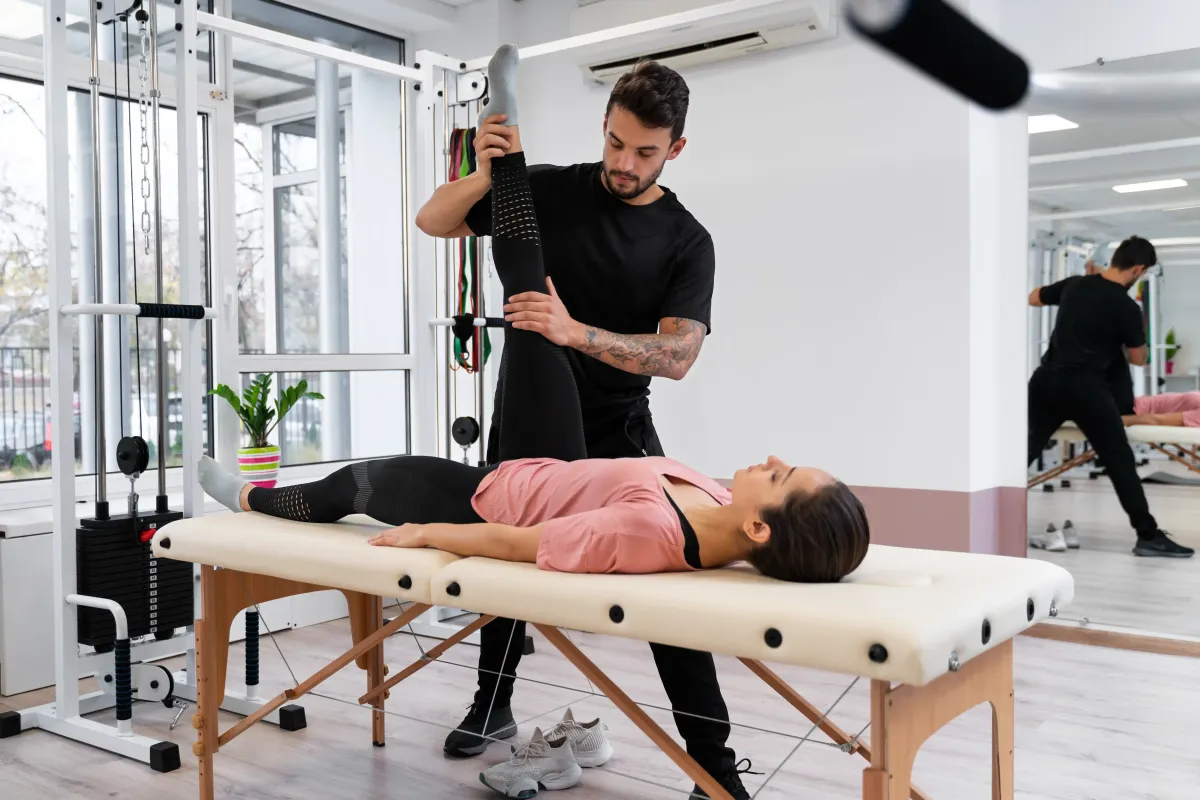
An operation may correct the structural problem, but recovery depends on what happens next. Post-operative rehabilitation is a guided process that helps your body regain strength, mobility, and confidence after surgery.
When tissues are cut or repaired, inflammation increases. Muscles weaken quickly with inactivity. Joints stiffen if they are not moved safely. Research shows that healthy adults can lose noticeable muscle strength within the first week of immobilization. In older adults, that loss can be even faster. Without structured rehab, these changes may delay recovery or limit long-term results.
Supervised physical therapy improves outcomes. Studies on joint replacement patients show that those who follow a progressive rehabilitation program report better walking ability, improved range of motion, and higher satisfaction compared to those who rely only on rest and unsupervised exercise.
Who Typically Benefits From Post-Operative Care?
Most surgical patients gain from structured therapy, especially if they notice:
Ongoing swelling or stiffness
Weakness in the operated area
Trouble walking, climbing stairs, or standing for long periods
Reduced flexibility
Balance concerns
Shortness of breath after chest or abdominal procedures
In North Jersey communities like Clifton, Passaic, and Montclair, we frequently see patients recovering from:
Joint replacements and ligament repairs
Spine procedures such as disc surgery or fusion
Shoulder and rotator cuff repairs
Abdominal operations
Cardiac or thoracic surgeries
Neurological procedures affecting coordination
Recovery is not only physical. Many people feel uncertain about how much movement is safe. That hesitation can slow progress. A structured plan provides clear guidelines, which reduces fear and builds confidence.
Clinical research supports early involvement in therapy. A review published in 2020 found that patients who began supervised rehabilitation within the first few weeks after orthopedic surgery achieved better functional scores at three months compared to those who delayed care.
What Physical Setbacks Are Common During Recovery?
Even when surgery is successful, the body needs time to adjust. Some temporary challenges are expected.
Pain and Inflammation
Discomfort is normal early on, but it should steadily decrease. Gentle, guided movement often reduces stiffness and improves circulation more effectively than prolonged rest.
Muscle Loss
Muscles shrink quickly when they are not used. After knee surgery, research shows that quadriceps strength can drop significantly in the first two weeks. Targeted strengthening is necessary to reverse this loss safely.
Joint Stiffness
Scar tissue forms as part of healing. Without early range-of-motion exercises, stiffness may persist longer than necessary.
Breathing Limitations
After abdominal or chest surgery, shallow breathing is common due to discomfort. This increases the risk of lung complications. Guided breathing exercises and posture correction are important early in recovery.
Circulation Concerns
Reduced mobility can increase the risk of blood clots. Early walking programs and ankle mobility drills improve circulation and reduce that risk.
Balance Issues
After spine or lower extremity surgery, stability may be reduced. In busy New Jersey settings, where uneven sidewalks and stair navigation are common, balance training is essential for safety.
What Does a Typical Recovery Plan Look Like?
While every surgery is different, most rehabilitation programs follow a gradual progression.
Phase One:
This stage usually begins in the hospital and continues during the first week at home. The focus is on:
Protecting the surgical repair
Managing swelling
Practicing safe bed mobility and transfers
Performing gentle range-of-motion exercises
Starting short, assisted walks
Education plays a major role here. Patients learn how to move without placing stress on healing tissues.
Phase Two:
During the first few weeks, the goal shifts toward improving flexibility and beginning light strengthening.
Progressive mobility exercises
Basic strengthening with controlled resistance
Swelling management strategies
Practice with daily tasks such as stair climbing
Evidence suggests that patients who begin controlled strengthening within the first month after joint surgery regain walking speed and functional independence faster than those who delay.
Phase Three:
As healing progresses, exercises become more challenging.
Resistance training with gradual progression
Balance and coordination drills
Gait retraining
Hands-on techniques to reduce stiffness
This phase helps restore independence. Many patients return to modified work duties during this period.
Phase Four:
In later stages, therapy focuses on long-term strength and prevention.
Functional exercises tailored to your job or recreational activities
Cardiovascular conditioning
Movement pattern correction
Transition to a structured home program
Full recovery timelines vary. Minor procedures may require several weeks. Major joint replacements or spinal surgeries can take several months. Age, overall health, and commitment to therapy all influence progress.
How Does Physical Therapy Improve Surgical Outcomes?
Rehabilitation is more than a list of exercises. It is a structured process that adapts to tissue healing, pain levels, and functional goals. A physical therapist evaluates:
Surgical precautions and stage of healing
Joint mobility and muscle strength
Swelling and scar tissue mobility
Breathing patterns
Walking mechanics
Work and lifestyle demands in New Jersey
This full-body approach matters. Research published in JAMA Network Open found that patients who participated in structured rehabilitation after total joint replacement had lower rates of readmission and better functional mobility at follow-up compared to those with minimal supervision.
Managing Pain Without Overreliance on Medication
Pain is expected after surgery, but it should improve steadily. Therapy helps manage discomfort through:
Hands-on techniques to reduce stiffness
Guided mobility to improve circulation
Ice or heat when appropriate
Electrical stimulation such as TENS
Education on safe positioning and posture
Movement, when introduced at the right time, often decreases pain by improving blood flow and reducing joint stiffness.
What Treatments May Be Part of Your Recovery Plan?
A comprehensive rehabilitation program includes more than strengthening.
Hands-On Care
Manual therapy can help:
Improve joint mobility
Reduce scar tissue restriction
Decrease muscle tension
Enhance local circulation
Scar management is especially important after abdominal, knee, or shoulder procedures. Gentle mobilization prevents adhesions that can limit motion later.
Progressive Exercise
Exercise is the foundation of recovery. Your program may include:
Supervised in-clinic sessions
A structured home routine
Gradual progression based on healing milestones
Consistency is more important than intensity. Research shows that patients who adhere to prescribed home programs achieve better long-term functional gains than those who perform exercises inconsistently.
Supportive Modalities
When appropriate, additional tools may be used:
Cold or heat therapy
Electrical stimulation
Light-based therapies
These methods support recovery but are always combined with active rehabilitation rather than replacing it.
Real-World Movement Training
Strength alone is not enough. Therapy also prepares you for:
Walking safely outdoors in varying conditions
Climbing stairs
Returning to desk work or physically demanding jobs
Resuming recreational activities
This transition phase helps bridge the gap between basic recovery and full independence.
Why Is Continuing Therapy After Hospital Discharge Important?
Many patients feel better once they leave the hospital and assume time alone will solve the rest. Healing does occur naturally, but structured follow-up improves results.
Studies in orthopedic rehabilitation show that patients who continue outpatient therapy for the recommended duration demonstrate better long-term strength, range of motion, and balance compared to those who stop early. Ongoing care helps:
Prevent long-term stiffness
Address compensatory movement patterns
Reduce reinjury risk
Improve posture and walking mechanics
Restore independence more efficiently
Skipping this stage may not cause immediate problems, but limitations can surface months later, especially when returning to higher-level activity.
How Long Should You Expect Recovery to Take?
There is no single timeline that fits everyone.
Minor procedures may require only a few weeks of therapy
Joint replacements often require three to six months of progressive rehab
Complex spine or neurological surgeries may take longer
Several factors influence recovery speed:
Type of surgery
Age and overall health
Pre-surgery fitness level
Consistency with therapy
Presence of complications
Setting realistic expectations early reduces frustration and keeps attention on measurable progress rather than comparing yourself to others.
What Should You Do If You Recently Had Surgery?
If you have recently undergone surgery in Clifton or surrounding New Jersey communities, early evaluation can clarify your next steps. Waiting too long may allow stiffness, weakness, or poor movement patterns to become harder to correct. A structured rehabilitation plan gives you:
Clear guidelines
Safe progression
Measurable goals
Ongoing reassessment
If you are ready to begin your recovery with a focused, practical approach, call (973)-241-1338 to schedule your post-surgical rehabilitation evaluation and take the next step toward full function.
What patients are saying
"I recently had ankle surgery and Clifton PT has been nothing short of amazing! My goal was to get back to playing soccer as quick as possible before the college season started and so far I'm right on track. Izzy, Bianca, Tiff, and John have gone above and beyond to make sure I'm back to 100%. Couldn't be more grateful to be treated by the best team ever!." - Nat Rufino

All the therapists at Clifton Physical Therapy are awesome, but I spend most of my time with Izzy and Bianca—and they’ve been amazing. They’re enthusiastic, knowledgeable, and always take the time to explain what I’m doing and what my issues are. Their positive energy and clear communication make a big difference in my recovery." - Bryan Tompkins
"Going Clifton physical therapy was one of the best thing that came out of my back pain! Every single staff member is amazing and cares for your recovery! I have been with them for the past couple of months and now continuing their workout program! I can’t recommend them enough! Tiffany, Izzy, Bianca and everyone else I have worked with there! Can’t rave about them enough!!." - Monica Mehta
"Clifton Physical Therapy has been a great place for me to heal my meniscus tear. The staff is very knowledgeable and friendly, and has been extremely helpful in guiding me through my recovery. I highly recommend their services.." - Kelly Bevando
Clifton Physical Therapy
✆ Phone (appointments): (973)-241-1338
Address: 1059 Bloomfield Ave, Clifton, NJ 07012
Clifton Physical Therapy | cliftonphysio.com


