
Patellar Tendonitis Treatment in NJ
Clifton Physical Therapy
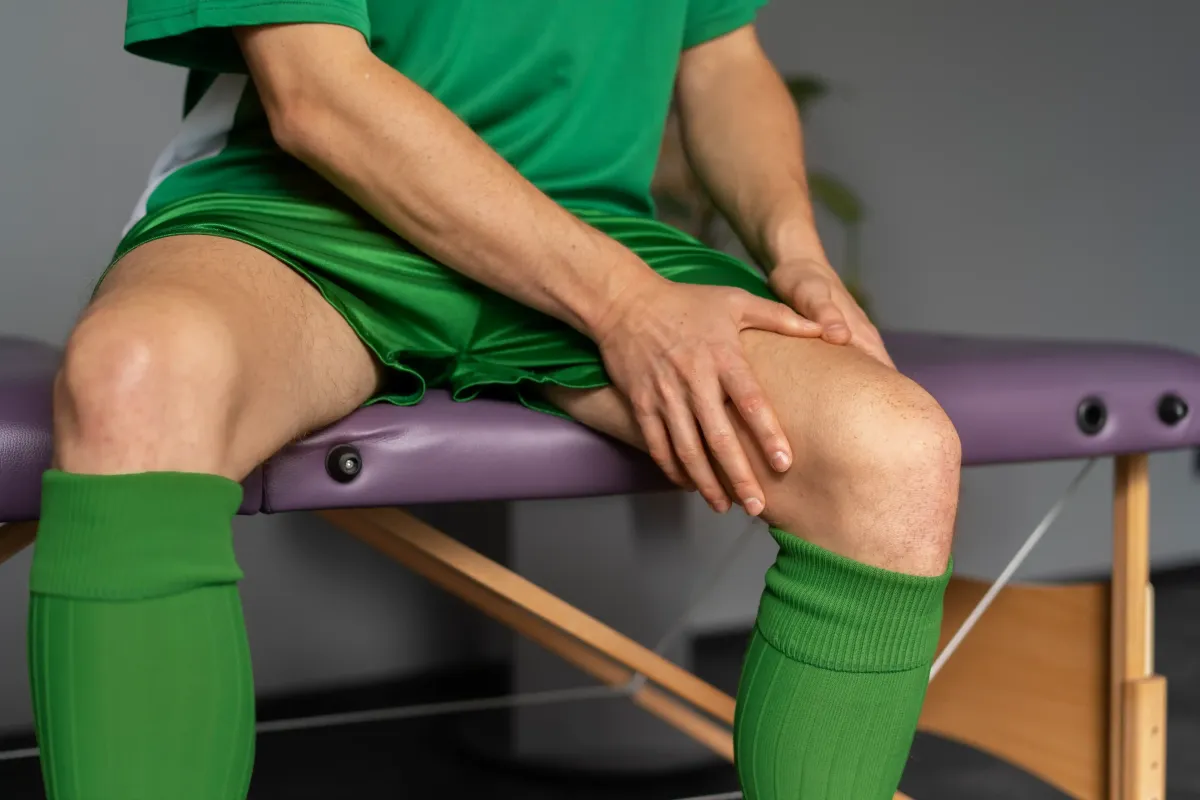
What Is Patellar Tendonitis?
Patellar tendonitis causes pain at the front of your knee, where the tendon connects your kneecap to your shin bone. This tendon works closely with your quadriceps to help you straighten your knee, walk comfortably, climb stairs, and absorb impact when you land after a jump. When the tendon becomes irritated or overloaded, you may feel stiffness, discomfort, and pain with basic movements that once felt easy.
In a community like Clifton—where many people work long shifts, stay active at local gyms, or spend long days walking—this condition is surprisingly common. Tiny microtears can develop in the tendon when it’s pushed too hard without enough recovery time. Although it’s often called “jumper’s knee,” anyone can develop it, even if you’re not an athlete.
If your knee pain lasts more than a few days or starts affecting your ability to walk, exercise, or get through daily tasks, getting evaluated early can prevent the issue from progressing.
Why Does Patellar Tendonitis Happen?
Patellar tendonitis usually develops from repeated stress on the front of the knee. When the tendon is loaded more than it can handle, the tissue becomes irritated and begins to weaken. In Clifton, people often experience this condition because of long commutes, repetitive activities, or sudden increases in training intensity.
Two common patterns contribute to its development:
A fast jump in activity level: Starting a new workout routine, playing sports on weekends, or ramping up your running mileage can overwhelm the tendon before it adapts.
Insufficient rest: Constant training, being on your feet all day for work, or doing repeated knee-bending activities without recovery can prevent the tendon from healing.
What Symptoms Should You Look For?
Patellar tendonitis creates distinct discomfort at the front of the knee, especially during movements that load the tendon. Most people notice symptoms such as:
A dull or aching pain right below the kneecap
Tenderness when pressing on the tendon
Morning stiffness or discomfort after sitting
Increased pain with stairs, squats, running, or standing up from a chair
How Is Patellar Tendonitis Diagnosed?
A proper diagnosis helps determine whether the pain comes from the patellar tendon or another structure in the knee. During your evaluation at Clifton Physical Therapy, your therapist will check how your knee moves, assess your hip and quad strength, and identify which activities trigger your symptoms.
Comparing both knees helps pinpoint the exact source of the discomfort. While imaging isn’t always necessary, an X-ray, ultrasound, or MRI may be recommended if we need to rule out other conditions or evaluate the extent of tendon irritation.
Most patients can begin treatment immediately after their assessment, ensuring the tendon receives the right kind of support early on.
How Physical Therapy Treats Patellar Tendonitis
Physical therapy is the most effective way to restore knee function and reduce tendon irritation. At Clifton Physical Therapy, treatment begins by calming the irritated tissue and teaching the tendon to handle load again—without aggravating your symptoms.
Early sessions often include isometric strengthening, which can reduce pain within the first two weeks. As your symptoms improve, targeted exercises for the quadriceps, hips, and calves help the tendon tolerate daily activity without strain. Manual therapy may also be used to ease stiffness and improve knee mobility, often restoring smooth movement within a few sessions.
Once your knee is stronger, your therapist will guide you through safe progressions so you can return to walking, stairs, running, or workouts without pain.
What Treatments May Be Used Alongside Physical Therapy?
Most people recover well with structured physical therapy, but some supportive treatments can help speed progress, especially if symptoms have been present for a while. These may include:
- Taping or bracing to reduce tendon stress during activity
- Cold therapy after exercise to calm irritation
- Progressive strengthening to build tendon resilience
- Shockwave therapy (when needed) for stubborn cases
- Home exercise routines to maintain strength between visits
See How Taping Can Support the Patellar Tendon During Running
Watch how kinesiology tape can be applied around the patellar tendon and quadriceps to provide extra support during running and other higher-impact activity.
How Long Does Recovery Take?
Recovery varies from person to person. If your symptoms are recent or mild, improvement often occurs within a few weeks of consistent therapy. More chronic cases may take longer because the tendon needs time to reorganize and adapt to progressive strengthening.
Tendons respond best when loading increases gradually. Too little rest or too much activity can both slow healing. Consistency is the key—regular sessions, home exercises, and proper pacing lead to the best outcomes.
Who Is Most at Risk?
Anyone can develop patellar tendonitis, but certain routines and habits common in New Jersey make it more likely, including:
Walking long distances daily
Climbing stairs frequently
Jobs that require standing for many hours
High-intensity workouts such as HIIT, CrossFit, or martial arts
Sudden increases in running or exercise volume
Skipping warm-ups or stretching
What Exercises Help Patellar Tendonitis Heal?
Strengthening and mobility exercises play a major role in recovery. The goal is to challenge the tendon gradually so it becomes stronger and less irritated. These exercises are commonly used both in the clinic and at home:
1. Straight Leg Raises
Helps activate the quadriceps without bending the knee, ideal during early recovery.
How to do it:
Lie on your back with one knee bent and the other straight.
Tighten the thigh of the straight leg.
Lift it to the height of the opposite knee.
Lower slowly.
2. Heel Slides
Restores gentle knee movement without stressing the tendon.
How to do it:
Lie on your back with both legs straight.
Slide one heel toward your hips.
Return slowly.
3. Seated Knee Extensions
Builds quadriceps strength while maintaining control.
How to do it:
Sit in a chair.
Extend one leg until the knee is straight.
Hold briefly, then lower.
4. Calf Raises
Strengthens the calves, which share the load during walking and jumping.
How to do it:
Stand with support.
Lift your heels.
Lower slowly.
5. Hamstring Curls
Builds strength in the back of the thigh for balanced knee mechanics.
How to do it:
Stand and hold onto support.
Bend one knee, bringing your heel up.
Lower with control.
6. Mini Squats
Reintroduces gentle loading through the knee.
How to do it:
Stand with feet hip-width apart.
Bend the knees slightly as if sitting back.
Rise with control.
7. Balance and Stability Training
Helps the knee control movement under stress.
How to do it:
Stand on one leg for 20–30 seconds.
Progress to a pillow or unstable surface.
When to Seek Urgent Care
Contact your clinician or go to the ER if you have:
Sudden inability to straighten the knee or lift the leg (this may indicate a tendon rupture)
Severe swelling, deformity, or numbness around the knee
Signs of infection after an injection (fever, worsening redness, heat)
How to Prevent Patellar Tendonitis
Simple habits can keep the tendon healthy long-term:
Strengthen the quads, hips, and calves regularly
Increase workout or activity volume gradually
Warm up thoroughly before exercise
Stretch the quads, hip flexors, and calves
Avoid training through sharp pain
Allow enough recovery between high-impact sessions
If knee pain is affecting your routine, workouts, or ability to move comfortably around Clifton, getting help early can make all the difference. Call us at (973)-241-1338 to schedule your appointment today.
What patients are saying
"I recently had ankle surgery and Clifton PT has been nothing short of amazing! My goal was to get back to playing soccer as quick as possible before the college season started and so far I'm right on track. Izzy, Bianca, Tiff, and John have gone above and beyond to make sure I'm back to 100%. Couldn't be more grateful to be treated by the best team ever!." - Nat Rufino

All the therapists at Clifton Physical Therapy are awesome, but I spend most of my time with Izzy and Bianca—and they’ve been amazing. They’re enthusiastic, knowledgeable, and always take the time to explain what I’m doing and what my issues are. Their positive energy and clear communication make a big difference in my recovery." - Bryan Tompkins
"Going Clifton physical therapy was one of the best thing that came out of my back pain! Every single staff member is amazing and cares for your recovery! I have been with them for the past couple of months and now continuing their workout program! I can’t recommend them enough! Tiffany, Izzy, Bianca and everyone else I have worked with there! Can’t rave about them enough!!." - Monica Mehta
"Clifton Physical Therapy has been a great place for me to heal my meniscus tear. The staff is very knowledgeable and friendly, and has been extremely helpful in guiding me through my recovery. I highly recommend their services.." - Kelly Bevando
Clifton Physical Therapy
✆ Phone (appointments): (973)-241-1338
Address: 1059 Bloomfield Ave, Clifton, NJ 07012
Clifton Physical Therapy | cliftonphysio.com


