Muscle Scraping Therapy in NJ
Clifton Physical Therapy
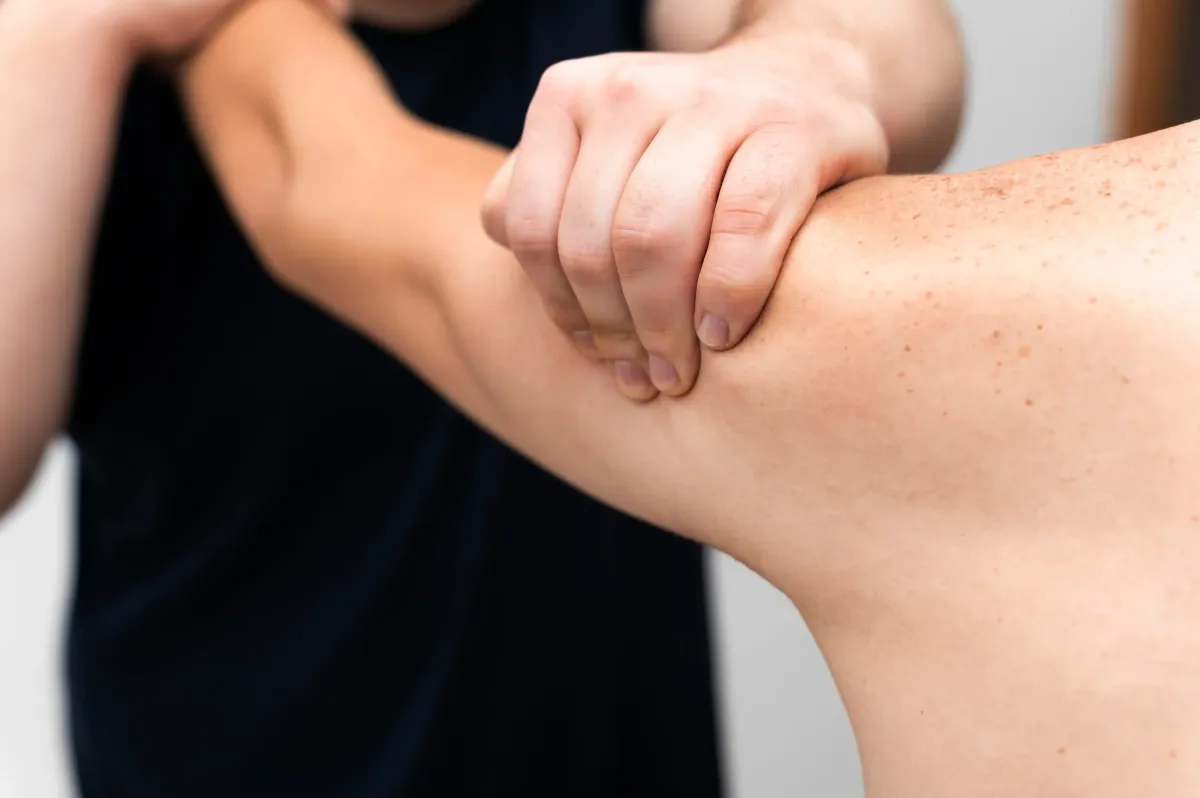
Muscle scraping therapy, also called body scraping or instrument-assisted soft tissue mobilization (IASTM), is an advanced technique designed to relieve stubborn muscle tension and improve movement. At Clifton Physical Therapy, we use this hands-on approach to help patients recover from chronic pain, injuries, and tight muscles effectively.
Whether you’ve tried foam rolling or massage without success, muscle scraping can dig deeper to target tight spots, improve circulation, and support faster recovery. Our experienced therapists guide every session, ensuring safe and precise pressure on muscles, fascia, and tendons.
What Is Muscle Scraping Therapy?
Muscle scraping therapy involves the use of smooth, rigid tools to apply controlled pressure across soft tissues. This method helps break up adhesions, commonly referred to as “knots,” while increasing blood flow to the treated area.
The technique has roots in traditional East Asian medicine, including gua sha, but modern IASTM focuses on anatomical structures and evidence-based approaches. By gliding specialized tools across your skin, therapists can access deeper tissue layers that are often difficult to reach with conventional massage or self-care methods.
Benefits of Muscle Scraping Therapy
Muscle scraping therapy offers a variety of benefits for patients dealing with musculoskeletal discomfort or movement limitations. Key advantages include:
Increased blood circulation to promote tissue healing.
Reduced muscle soreness, spasms, and tension for faster recovery.
Improved lymphatic drainage, which can reduce inflammation and swelling.
Enhanced mobility and flexibility, helping you move more freely.
Pain relief for conditions like plantar fasciitis, tendon injuries, or back pain.
Research supports these benefits. A 2019 study in the Journal of Athletic Training demonstrated that muscle scraping can improve range of motion, reduce pain, and aid recovery for tendon-related injuries. A 2023 systematic review in BMC Musculoskeletal Disorders further confirmed that IASTM enhances flexibility and mobility in both active individuals and those with musculoskeletal conditions.
How Muscle Scraping Works
During a session, a trained therapist applies a smooth metal tool to the affected muscle or fascia with light to moderate pressure. The process:
Bullet List 11. Targets adhesions and “knots” that restrict movement.
2. Improves circulation to bring oxygen and nutrients to the tissue.
3. Reduces inflammation and promotes faster healing.
4. Provides real-time feedback on how tissue restrictions impact mobility and pain.
For example, if a patient experiences knee pain during squats, a therapist might scrape the quadriceps or surrounding tissues and then reassess movement. This allows precise identification of the areas causing limitations, ensuring targeted and effective treatment.
Muscle Scraping vs. Other Recovery Methods
Muscle scraping therapy stands out from other recovery techniques because of its precision and depth. While foam rolling, massage, and gua sha all aim to improve soft tissue health, the tools and methods used in muscle scraping allow therapists to directly address tight spots and movement restrictions.
Bullet List 1· Massage vs. Muscle Scraping: Traditional massage uses hands to knead and manipulate muscles, whereas muscle scraping employs specialized tools to reach deeper tissue layers with controlled pressure. This allows therapists to target stubborn adhesions more effectively.
Gua Sha vs. Muscle Scraping: Gua sha is rooted in traditional Chinese medicine and focuses on energy flow and general well-being with gentle strokes. Muscle scraping, by contrast, uses anatomy-based techniques to treat fascia, muscles, and tendons, improving mobility and reducing pain directly.
Foam Rolling vs. Muscle Scraping: Foam rolling is a broad, self-administered technique that uses body weight to relieve tension. Muscle scraping provides targeted pressure applied by a trained therapist, enabling more precise treatment of tight or inflamed areas.
Conditions Treated with Muscle Scraping
At Clifton Physical Therapy, muscle scraping therapy is used to address a variety of musculoskeletal conditions, including:
Plantar Fasciitis: Eases heel pain by loosening tight connective tissue.
Tendon Injuries: Supports recovery for conditions like Achilles tendinopathy and tennis elbow.
Muscle Strains or Tightness: Reduces soreness and improves flexibility in the legs, back, shoulders, and arms.
Chronic Pain or Stiffness: Enhances circulation and mobility in areas affected by long-term tension.
What to Expect During a Muscle Scraping Therapy Session
At Clifton Physical Therapy, each muscle scraping session is carefully tailored to meet your specific needs. A typical session lasts between 30 and 45 minutes, depending on the area being treated and the severity of muscle tension or tissue restrictions. Here’s a step-by-step look at what you can expect:
1. Assessment and Consultation
Every session begins with a thorough assessment. Your physical therapist will:
Ask about your medical history, current symptoms, and any prior injuries.
Observe your posture, gait, and movement patterns to identify areas of restriction or pain.
Palpate muscles, tendons, and fascia to locate knots, adhesions, or tight spots.
Discuss your personal goals, whether it’s pain relief, improved mobility, recovery from an injury, or athletic performance enhancement.
This initial assessment ensures that treatment is precise, safe, and focused on your individual needs.
2. Targeted Muscle Scraping Treatment
Once the assessment is complete, the therapist begins the treatment:
Bullet List 1· Tool Application: Using smooth, specially designed metal instruments, the therapist applies controlled, gliding pressure to the affected muscles and fascia.
Technique: Pressure is adjusted based on your comfort and tissue response. The therapist may use long strokes, short movements, or specific angles to release adhesions and improve tissue elasticity.
Skin Response: You may notice temporary red or bruise-like marks on the treated area. This is a normal reaction that usually fades within a few days and indicates improved blood flow to the tissue.
This hands-on approach allows the therapist to address tight areas that are often difficult to reach with massage or self-care methods like foam rolling.
3. Feedback and Reassessment
After the initial scraping, the therapist will reassess your movement and flexibility:
Test joint range of motion and muscle mobility to measure improvement.
Ask about changes in pain levels, tension, or soreness.
Adjust the technique or focus areas as needed based on your feedback.
This real-time evaluation ensures that each session directly addresses the tissues causing your limitations and helps track progress over time.
4. Home Care Guidance
To maximize the benefits of muscle scraping, your therapist will provide personalized recommendations for at-home care, which may include:
Targeted stretches or mobility exercises to maintain the improvements achieved during the session.
Guidance on hydration and self-care techniques to support recovery.
Instructions on gradually returning to activity or exercise while avoiding overloading affected tissues.
Contact us at (973)-922-9659 to schedule your muscle scraping therapy session.
Frequently Asked Questions
1. Is muscle scraping therapy safe?
Yes. When performed by trained physical therapists at Clifton Physical Therapy, muscle scraping is safe. Some patients may notice temporary red marks or mild soreness, which usually resolves within a day or two.
2. How many sessions will I need to see results?
The number of sessions varies depending on your condition, age, and activity level. Many patients notice improvements in flexibility and pain relief within 2–4 sessions, while chronic conditions may require a longer treatment plan.
3. Can muscle scraping help with sports injuries?
Absolutely. Muscle scraping is effective for athletes recovering from tendon injuries, muscle strains, or chronic tightness. It helps improve range of motion, reduce soreness, and support faster recovery from training or competition.
4. How does muscle scraping compare to foam rolling or massage?
Unlike foam rolling or traditional massage, muscle scraping uses specialized tools to apply pinpointed, controlled pressure. This allows therapists to reach deeper tissue layers, break up adhesions, and target problem areas more effectively.
What patients are saying
"I recently had ankle surgery and Clifton PT has been nothing short of amazing! My goal was to get back to playing soccer as quick as possible before the college season started and so far I'm right on track. Izzy, Bianca, Tiff, and John have gone above and beyond to make sure I'm back to 100%. Couldn't be more grateful to be treated by the best team ever!." - Nat Rufino

All the therapists at Clifton Physical Therapy are awesome, but I spend most of my time with Izzy and Bianca—and they’ve been amazing. They’re enthusiastic, knowledgeable, and always take the time to explain what I’m doing and what my issues are. Their positive energy and clear communication make a big difference in my recovery." - Bryan Tompkins
"Going Clifton physical therapy was one of the best thing that came out of my back pain! Every single staff member is amazing and cares for your recovery! I have been with them for the past couple of months and now continuing their workout program! I can’t recommend them enough! Tiffany, Izzy, Bianca and everyone else I have worked with there! Can’t rave about them enough!!." - Monica Mehta
"Clifton Physical Therapy has been a great place for me to heal my meniscus tear. The staff is very knowledgeable and friendly, and has been extremely helpful in guiding me through my recovery. I highly recommend their services.." - Kelly Bevando
Clifton Physical Therapy
✆ Phone (appointments): (973)-241-1338
Address: 1059 Bloomfield Ave, Clifton, NJ 07012
Clifton Physical Therapy | cliftonphysio.com


