
Jones Fracture Treatment in NJ
Clifton Physical Therapy
Understanding Foot Pain on the Outer Side
Pain along the outside of the foot after a twist, jump, or sudden landing is not something to ignore. One of the more important injuries linked to this area is a break in the fifth metatarsal, commonly known as a Jones fracture.
This type of injury is especially relevant for active people in New Jersey, including runners, dancers, field athletes, and individuals whose work keeps them on their feet for long hours. The problem is that early symptoms can feel like a simple sprain, which is why many people delay proper evaluation.
What Exactly Is a Jones Fracture?
A Jones fracture is a break in the fifth metatarsal bone, which connects the little toe to the midfoot. It occurs in a specific region of the bone that has relatively limited blood supply, which makes healing slower compared to other foot fractures.
Clinically, this injury is grouped under fifth metatarsal fractures, but the “Jones” type is more serious because of its location. It is different from small avulsion injuries that happen closer to the base of the bone. In a Jones fracture, the break is slightly farther down the shaft, where stress is higher during walking and running.
This area takes a large amount of force every day during normal movement. Even regular walking can generate multiple times body weight through the foot, and that repeated load is what makes this injury slow to recover without proper care.
Common Causes and Who Is at Risk
Most Jones fractures are linked to a combination of sudden force and repetitive stress. Typical causes include:
A sudden twist of the foot while the heel is lifted
Landing awkwardly after a jump
Quick directional changes during sports like football, basketball, or tennis
Repeated overuse from running or long periods of standing on hard surfaces
Accidental trauma, such as dropping a heavy object on the foot
There are also physical and biomechanical factors that increase risk. People with high-arched feet tend to place more pressure on the outer side of the foot, which increases stress on the fifth metatarsal. In addition, tight calf muscles or limited ankle mobility can shift load patterns in a way that overloads this region.
Key Symptoms You Should Not Ignore
A Jones fracture does not always feel like a dramatic injury at first. Some people continue walking on it for days before realizing something is wrong. Common symptoms include:
Sharp or persistent pain on the outer side of the foot
Swelling that develops soon after activity or gradually worsens
Bruising or visible discoloration along the side of the foot
Tenderness when pressing near the base of the little toe
Difficulty bearing weight or limping while walking
Pain that increases during push-off when stepping forward
In some cases, especially with stress-related fractures, the pain may start mild and slowly worsen over time instead of appearing suddenly.
How a Jones Fracture Is Diagnosed
Diagnosis starts with a detailed clinical exam. A provider will usually check for swelling, pinpoint tenderness along the fifth metatarsal, and changes in how you walk or load weight on the foot.
Because symptoms can overlap with sprains or minor fractures, imaging is essential. The most commonly used test is an X-ray, which can confirm the break and show its exact location. In some cases, especially when the injury is subtle or stress-related, an MRI or CT scan may be recommended to get a clearer view of the bone and surrounding tissue. Doctors also classify the fracture based on its location in the bone. This helps guide treatment decisions:
Near the base of the bone
Mid-shaft region
Further along the shaft
Treatment Options
Treatment depends on how severe the fracture is and how stable the bone appears.
Non-surgical care
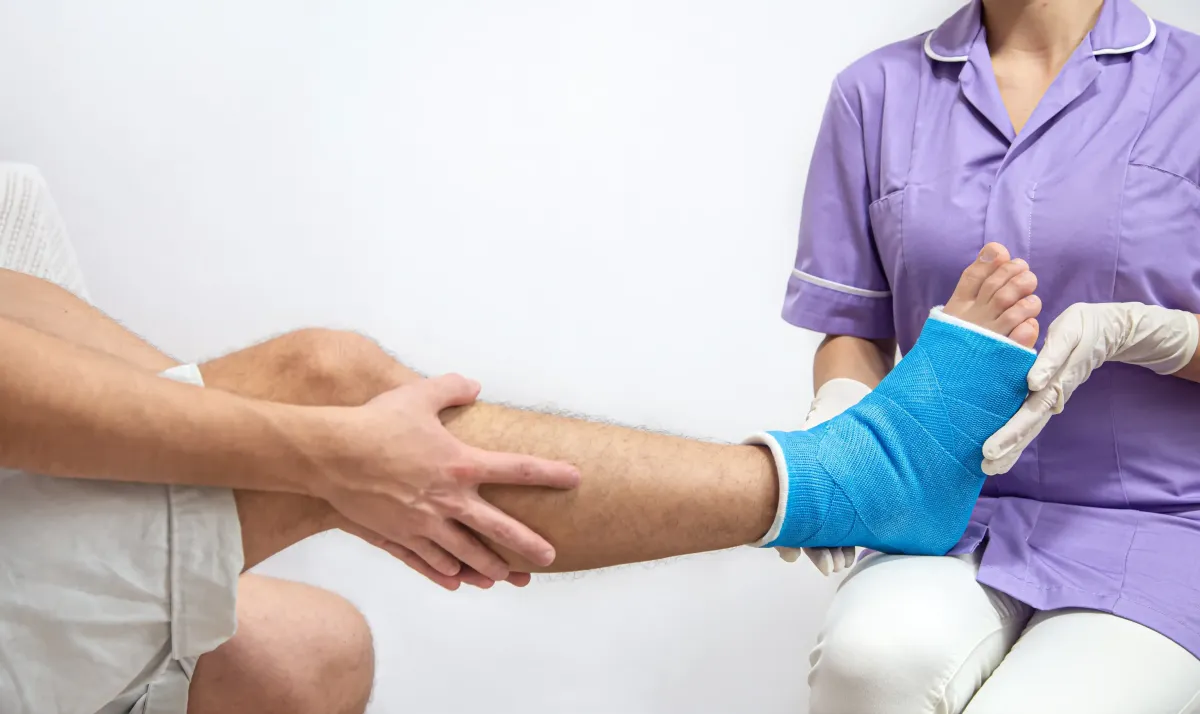
In less severe cases, treatment may involve a walking boot or cast to completely offload the foot. The goal is to prevent movement at the fracture site so the bone can heal naturally. This phase typically lasts 6 to 8 weeks, depending on healing progress seen on follow-up imaging.
Weight-bearing is often limited during the early phase. Some patients are advised to avoid putting full pressure on the foot for several weeks, especially if pain is present during walking.
Surgical care
When the fracture is in a high-risk area or shows signs of poor healing potential, surgery may be recommended. The most common procedure involves inserting a screw to stabilize the bone internally, allowing it to heal in proper alignment. Surgery is often considered for:
Active individuals who need faster return to activity
Fractures with higher risk of delayed healing
Cases where the bone has shifted or is unstable
Recovery Timeline and What to Expect
Recovery from a Jones fracture is not quick, mainly because this part of the foot receives limited blood flow.
On average, healing follows this pattern:
0–6 weeks: protection phase with boot or cast, limited weight-bearing
6–8 weeks: gradual increase in load if imaging confirms healing
8–12 weeks: transition to normal walking and early strengthening
3–4 months: return to higher-impact activities in many cases
One important point: returning too early increases the risk of re-injury. Studies show that this fracture has a higher-than-average risk of delayed union, meaning the bone may take longer to fully reconnect if stress is applied too soon.
Rehabilitation and Physical Therapy Role
Once the bone is stable enough, rehabilitation becomes a key part of full recovery. The goal is not only to restore movement but also to correct the loading patterns that may have contributed to the injury in the first place. A structured rehab program typically focuses on:
Restoring ankle mobility and joint flexibility
Rebuilding strength in the foot and lower leg muscles
Improving balance and control during single-leg movement
Gradually reintroducing walking, then running or sport-specific drills
Early-stage therapy may include gentle range-of-motion work and muscle activation without stressing the fracture site. As healing progresses, exercises shift toward weight-bearing control, calf strengthening, and proprioception training.
This step matters because weak stabilizing muscles or poor foot mechanics can increase stress on the outer foot during daily activity. Addressing these issues helps reduce the chance of recurrence.
When to Seek Treatment Early
Delaying evaluation is one of the most common reasons this injury becomes harder to manage. If outer foot pain persists for more than a few days, worsens with walking, or is accompanied by swelling and bruising, it should be assessed rather than monitored at home.
Early diagnosis often leads to simpler treatment and a more predictable recovery timeline. Waiting too long can increase the risk of incomplete healing or chronic discomfort.
If you’re dealing with outer foot pain or recovering from a Jones fracture, early care can make a real difference in how well and how quickly you recover. Call Clifton Physical Therapy at (973) 241-1338 to schedule an evaluation and start a structured recovery plan today.
What patients are saying
"I recently had ankle surgery and Clifton PT has been nothing short of amazing! My goal was to get back to playing soccer as quick as possible before the college season started and so far I'm right on track. Izzy, Bianca, Tiff, and John have gone above and beyond to make sure I'm back to 100%. Couldn't be more grateful to be treated by the best team ever!." - Nat Rufino

All the therapists at Clifton Physical Therapy are awesome, but I spend most of my time with Izzy and Bianca—and they’ve been amazing. They’re enthusiastic, knowledgeable, and always take the time to explain what I’m doing and what my issues are. Their positive energy and clear communication make a big difference in my recovery." - Bryan Tompkins
"Going Clifton physical therapy was one of the best thing that came out of my back pain! Every single staff member is amazing and cares for your recovery! I have been with them for the past couple of months and now continuing their workout program! I can’t recommend them enough! Tiffany, Izzy, Bianca and everyone else I have worked with there! Can’t rave about them enough!!." - Monica Mehta
"Clifton Physical Therapy has been a great place for me to heal my meniscus tear. The staff is very knowledgeable and friendly, and has been extremely helpful in guiding me through my recovery. I highly recommend their services.." - Kelly Bevando
Clifton Physical Therapy
✆ Phone (appointments): (973)-241-1338
Address: 1059 Bloomfield Ave, Clifton, NJ 07012
Clifton Physical Therapy | cliftonphysio.com


