How to Treat a Deltoid Strain: Recovery and Rehabilitation
Clifton Physical Therapy
What Is a Deltoid Strain and Why Does It Matter?
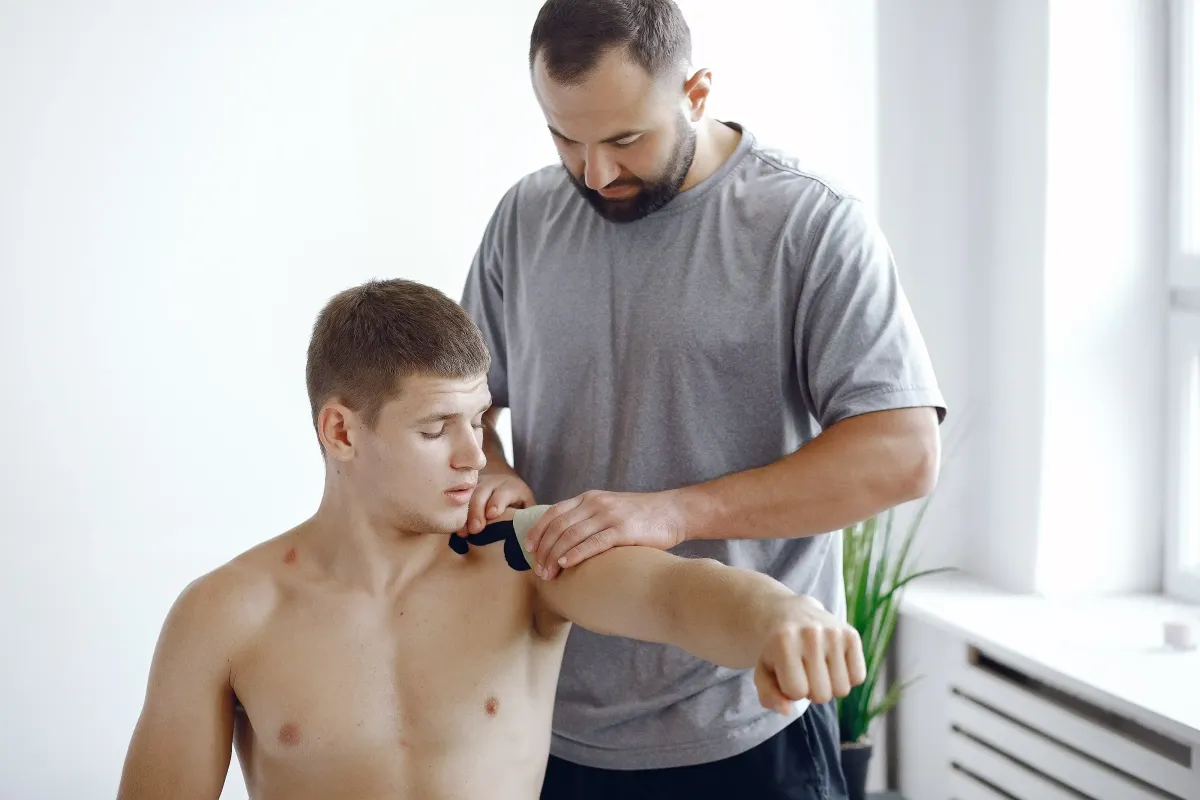
A deltoid strain happens when the deltoid muscle in your shoulder is overstretched or partially torn. This muscle is large, powerful, and essential for lifting your arm in almost every direction. It plays a key role in daily tasks like reaching overhead, carrying objects, or even simple movements like getting dressed. The deltoid has three parts:
Front (anterior) – helps lift your arm forward
Middle – lifts your arm out to the side
Back (posterior) – moves your arm backward
Because it’s involved in so many movements, even a small strain can limit your ability to use your arm comfortably. Athletes, gym-goers, and people with repetitive overhead activities are especially at risk.
It’s also worth clearing up a common confusion:
A strain affects muscles or tendons
A sprain affects ligaments
Since the deltoid is a muscle, it can only be strained, not sprained.
What Causes Deltoid Pain in the First Place?
Deltoid strains don’t usually happen randomly. There’s almost always a clear reason behind the pain. The most common causes include:
1. Overuse and repetitive strain
Repeated movements like swimming, weightlifting, throwing, or even long hours of overhead work can overload the muscle without enough recovery time.
2. Sudden overload or heavy lifting
Trying to lift more than your shoulder can handle, especially during exercises like shoulder presses or lateral raises, can strain the muscle fibers.
3. Eccentric loading (controlled lowering)
Slowly lowering a weight (the “negative” phase) puts high stress on the muscle. If the load is too heavy, it can lead to a strain.
4. Direct trauma
A fall, collision, or blow to the shoulder can injure the deltoid directly.
5. Poor posture and weak shoulder support
Rounded shoulders or muscle imbalances can shift extra load onto the deltoid, making it more vulnerable.
What Does a Deltoid Strain Feel Like?
Symptoms can vary depending on how severe the injury is, but most people notice pain in a very specific area of the shoulder.
Common signs include:
Pain or tenderness at the front, side, or back of the shoulder
Discomfort when lifting the arm
Weakness or reduced strength
Swelling or mild bruising
Difficulty with overhead movements
In more serious cases, you might feel a gap or defect in the muscle, which can indicate a tear.
Severity Levels (Grades)
Deltoid strains are usually classified into three levels:
Grade 1 (Mild)
Tightness or slight pain
Minimal swelling
Normal movement with mild discomfort
Grade 2 (Moderate)
Noticeable pain when lifting the arm
Partial muscle tear
Swelling and limited movement
Difficulty with exercises like push-ups
Grade 3 (Severe)
Significant tear of the muscle
Severe pain and weakness
Inability to lift or use the arm
Visible swelling or deformity
Could It Be Something Else? Conditions That Feel Similar
Shoulder pain isn’t always a deltoid strain. Several other injuries can feel almost identical, which is why proper evaluation matters.
Conditions that can mimic a deltoid strain include:
Rotator cuff injuries
Labral (cartilage) tears
Biceps tendon problems
AC joint injuries
Shoulder dislocation
Fractures
Soft tissue bruising
Some of these heal with rest and therapy, while others may need more advanced treatment. If your symptoms don’t improve or feel severe, getting a proper diagnosis is important.
How Is a Deltoid Strain Diagnosed?
Diagnosis usually starts with a simple conversation about how the injury happened. Your provider will ask about your activity, when the pain started, and what movements make it worse. A physical exam follows, where they check:
Tenderness over the deltoid muscle
Swelling or visible changes
Strength and range of motion
Pain during specific movements
In most mild cases, that’s enough. But imaging may be needed if something more serious is suspected:
X-rays to rule out fractures or dislocations
MRI if there’s concern for a rotator cuff tear or labral injury
What Helps a Deltoid Strain Heal Faster? (Early Treatment)
Most deltoid strains improve without surgery. The focus early on is to reduce pain, protect the muscle, and prevent further damage. A simple and effective approach is the P.R.I.C.E. method:
Protection
Avoid movements that trigger pain. In some cases, a sling or brace may be used briefly.
Rest
Give your shoulder time to heal. That doesn’t mean complete inactivity, but avoid heavy lifting or overhead work.
Ice
Apply ice for 15 minutes, 3–4 times a day. Always wrap it in a towel to protect your skin.
Compression
Use an elastic bandage if recommended to control swelling. It should feel supportive, not tight.
Elevation
Keep the shoulder slightly elevated when possible to reduce swelling.
Over-the-counter anti-inflammatory medications can also help manage pain and swelling, especially in the first few days.
When Does Physical Therapy Become Important?
If pain doesn’t settle within a few days or if the injury is moderate to severe, physical therapy becomes a key part of recovery.
A structured rehab plan does more than just relieve pain. It helps restore full function and prevents the injury from coming back. A typical program includes:
Pain relief and muscle relaxation
Hands-on techniques like soft tissue work and gentle joint mobilization can reduce stiffness and discomfort.
Improving mobility
Early movement is important, but it has to be controlled. Gentle exercises help prevent stiffness without overloading the muscle.
Strength rebuilding
Once pain decreases, strengthening exercises are introduced gradually. This helps the deltoid and surrounding muscles support the shoulder properly.
Posture correction
Poor posture often contributes to shoulder strain. Fixing alignment reduces unnecessary stress on the muscle.
Safe Exercises to Restore Shoulder Function
You don’t need aggressive workouts to recover. In fact, going too hard too soon is one of the biggest reasons people delay healing. Here are a few simple movements often used early in recovery:
Pendulum swings
Lean forward slightly and let your arm hang. Gently swing it in small circles to reduce stiffness.
Cross-body stretch
Bring your injured arm across your chest and hold for about 30 seconds. This helps loosen the back of the shoulder.
Assisted arm raises
Lie on your back and use your other arm to help lift the injured one. This allows movement without strain.
Light strengthening (later stage)
Resistance bands or light weights can be added gradually once pain improves.
The key is progression. Pain should guide you. If a movement hurts sharply, it’s too early.
How Long Does Recovery Take?
Recovery time depends on how severe the strain is:
Grade 1: A few days to 2 weeks
Grade 2: 3 to 6 weeks
Grade 3: Several weeks to a few months
Returning to sports or heavy activity too early increases the risk of reinjury. Before going back, you should have:
Full, pain-free range of motion
Normal strength compared to the other side
No discomfort during sport-specific movements
When Should You See a Specialist?
Not every shoulder pain needs a doctor, but some signs shouldn’t be ignored:
Severe pain right after injury
Visible swelling, bruising, or deformity
Inability to lift or move your arm
Pain that doesn’t improve after 1–2 weeks of rest
Difficulty bearing weight or using the shoulder
These could point to a more serious issue that needs proper evaluation.
How Can You Prevent Future Deltoid Injuries?
Once you’ve had a shoulder injury, prevention becomes just as important as recovery.
Simple habits can make a big difference:
Warm up before workouts
Stretch after activity
Avoid sudden increases in weight or intensity
Take rest days to allow recovery
Maintain good posture throughout the day
Use proper technique during exercise or sports
Consistent shoulder strengthening also helps distribute load evenly, reducing strain on the deltoid.
If your shoulder pain isn’t improving or keeps coming back, it’s worth getting it checked. At Clifton Physical Therapy, we create personalized rehab plans to help you heal faster and safely return to your routine. Call (973)-241-1338 to book your appointment today.
What patients are saying
"I recently had ankle surgery and Clifton PT has been nothing short of amazing! My goal was to get back to playing soccer as quick as possible before the college season started and so far I'm right on track. Izzy, Bianca, Tiff, and John have gone above and beyond to make sure I'm back to 100%. Couldn't be more grateful to be treated by the best team ever!." - Nat Rufino

All the therapists at Clifton Physical Therapy are awesome, but I spend most of my time with Izzy and Bianca—and they’ve been amazing. They’re enthusiastic, knowledgeable, and always take the time to explain what I’m doing and what my issues are. Their positive energy and clear communication make a big difference in my recovery." - Bryan Tompkins
"Going Clifton physical therapy was one of the best thing that came out of my back pain! Every single staff member is amazing and cares for your recovery! I have been with them for the past couple of months and now continuing their workout program! I can’t recommend them enough! Tiffany, Izzy, Bianca and everyone else I have worked with there! Can’t rave about them enough!!." - Monica Mehta
"Clifton Physical Therapy has been a great place for me to heal my meniscus tear. The staff is very knowledgeable and friendly, and has been extremely helpful in guiding me through my recovery. I highly recommend their services.." - Kelly Bevando
Clifton Physical Therapy
✆ Phone (appointments): (973)-241-1338
Address: 1059 Bloomfield Ave, Clifton, NJ 07012
Clifton Physical Therapy | cliftonphysio.com


