How to Relieve Lower Back Pain from Lifting Weights
Clifton Physical Therapy
Why does lower back pain happen after lifting weights?
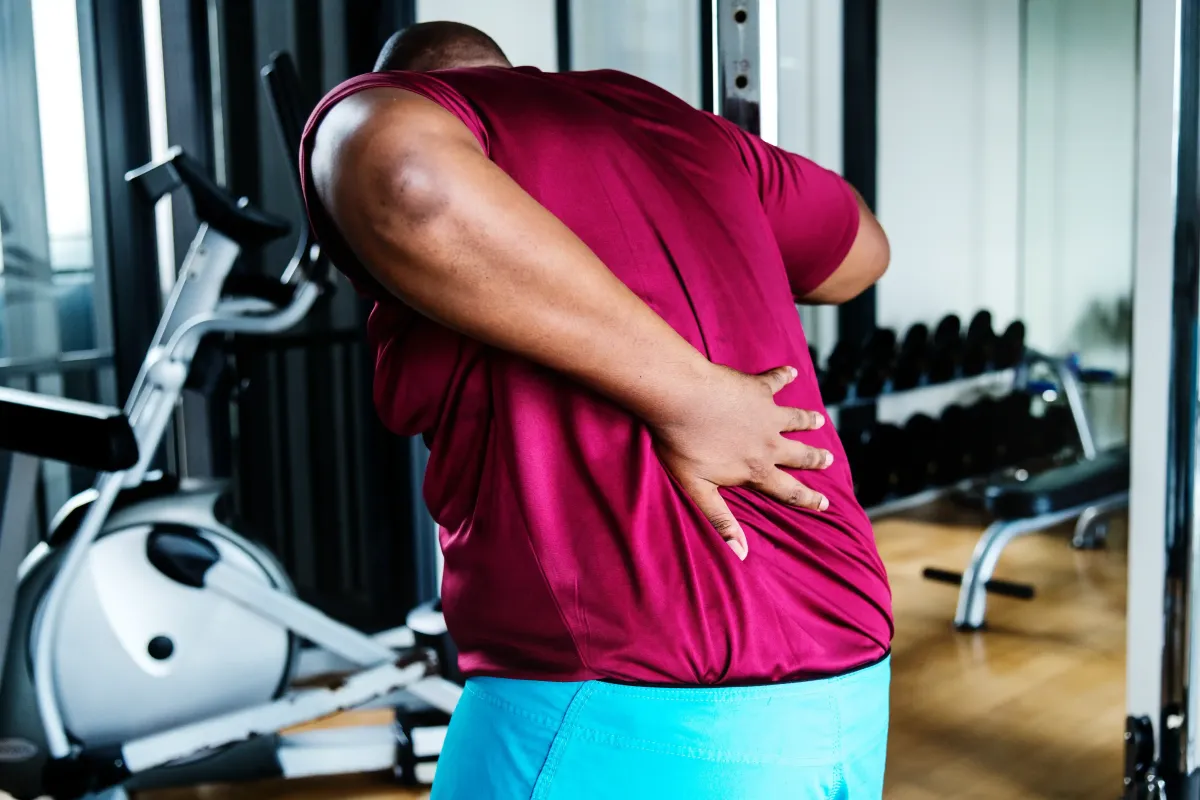
Lower back pain after lifting weights is common, but it is not something you should ignore or push through. Your lower back plays a major role in stabilizing your spine during almost every strength exercise. Squats, deadlifts, rows, and overhead lifts all place significant demand on the muscles, ligaments, and joints of the lumbar spine.
Pain often develops when the load placed on your body exceeds what your muscles and movement patterns can safely handle. Poor lifting form, lifting too heavy too soon, limited mobility, or muscle imbalances can all shift stress away from stronger muscle groups and onto the lower back. Over time, this stress can lead to irritation, inflammation, or injury.
Not all post-workout back pain is the same. Mild soreness that improves within a day or two is usually normal. Sharp pain, spasms, stiffness that limits movement, or pain that keeps returning after workouts may signal a problem that needs attention.
What are the most common causes of lower back pain from lifting?
Several factors can contribute to fitness-related lower back pain, and more than one may apply at the same time.
One of the most frequent causes is poor lifting technique. Rounding the back during deadlifts, losing a neutral spine during squats, twisting while holding weight, or using momentum instead of controlled movement can strain the muscles and ligaments that support the spine.
Weak core muscles are another major contributor. Your core acts as a natural brace for your lower back. If your abdominal and deep stabilizing muscles are not strong enough, your lower back is forced to absorb more load, increasing the risk of pain and injury.
Muscle tightness and limited mobility also play a big role. Tight hamstrings, hip flexors, or glute muscles can alter pelvic alignment and force the lower back to compensate. This added workload often shows up as soreness or stiffness after lifting sessions.
Overtraining and poor recovery can make things worse. Lifting heavy weights without adequate rest, sleep, or recovery days can leave your muscles fatigued and more vulnerable to strain.
In some cases, lower back pain after lifting may be related to an underlying condition rather than a simple muscle issue. Disc problems, arthritis, or nerve irritation can mimic workout-related soreness. If pain keeps coming back or worsens over time, it should be evaluated by a healthcare professional.
What injuries are commonly linked to gym-related lower back pain?
Not all lower back pain from lifting weights comes from the same type of injury. Identifying the likely source helps guide proper treatment and recovery.
Lumbar strain or sprain
This is the most common cause of gym-related lower back pain. A lumbar strain involves overstretched or torn muscles, while a sprain affects the ligaments. Symptoms often include localized low back pain, stiffness, muscle spasms, and tenderness. Pain usually does not travel down the leg and often improves within one to two weeks with proper care.
Lumbar disc injury
Disc injuries occur when the cushioning discs between the vertebrae are irritated, bulging, or herniated. These injuries may cause deep low back pain that worsens with bending or sitting. If a nerve is involved, pain, tingling, numbness, or weakness may radiate down one or both legs. Disc issues can be triggered by poor lifting mechanics or heavy loading, especially during hinge movements.
Sacroiliac (SI) joint pain
The SI joints connect the spine to the pelvis and help absorb force during movement. Dysfunction or inflammation in this area can cause pain on one or both sides of the lower back or buttocks. Pain often worsens with prolonged sitting, standing, or transitions like getting up from a chair.
While these injuries sound serious, most gym-related lower back problems respond well to conservative care, including movement-based rehab and physical therapy. Surgery is rarely needed.
What should you do first to relieve lower back pain after lifting?
Early management can make a big difference in how quickly your lower back recovers and whether the pain becomes chronic.
In the first 24 to 48 hours, applying ice can help reduce inflammation and calm irritated tissues. Ice should be used for short periods, about 15 to 20 minutes at a time, with a barrier to protect the skin.
After the initial phase, heat therapy may help relax tight muscles and improve blood flow. Heat is often more helpful for stiffness and muscle guarding than swelling.
Complete bed rest is not recommended. Gentle movement usually helps more than staying still. Light walking, easy mobility exercises, and maintaining good posture can prevent stiffness and promote healing.
Avoid exercises that clearly worsen your pain, especially heavy lifting, high-impact movements, or aggressive core exercises. This does not mean stopping all activity. It means modifying your routine while your back settles down.
Over-the-counter anti-inflammatory medications may help manage pain in the short term, but they should not be used as a long-term solution or to mask pain during workouts.
If pain does not improve after a few days, keeps returning after exercise, or starts to affect daily activities, getting evaluated by a physical therapist or medical professional is the next smart step. Early guidance can help you recover faster and get back to lifting safely.
Which exercises help relieve lower back pain from lifting weights?
The goal of exercise during recovery is not to avoid movement, but to restore control, strength, and confidence in your spine. The right exercises reduce pain by improving stability and teaching your body how to share load more evenly.
Start with low-load, controlled movements that focus on core activation and hip strength. These exercises support the spine without irritating sensitive tissues. Helpful exercises often include:
Glute bridges to activate the hips and reduce strain on the lower back
Pelvic tilts to improve spinal control and reduce stiffness
Bird dogs to train coordination between the core and hips
Side planks to strengthen lateral core muscles that protect the spine
Prone press-ups or cobra pose if tolerated, especially for disc-related symptoms
These movements should feel controlled and stable, not painful. Mild discomfort that eases as you move is often acceptable, but sharp or worsening pain is not.
As symptoms improve, you can gradually reintroduce strength exercises with lighter loads and slower tempos. The focus should be on perfect form, controlled breathing, and core engagement rather than how much weight you lift.
Which exercises should you limit while your lower back is irritated?
When your lower back is already stressed, certain exercises can delay healing or make symptoms worse. This does not mean these movements are bad forever. It simply means they may need to be paused or modified temporarily.
Exercises commonly limited during flare-ups include:
Heavy deadlifts and squat variations
High-impact movements like running or jumping
Sit-ups or crunches that repeatedly flex the spine
Ab exercises with both legs off the ground
Fast, high-intensity workouts that fatigue form
If a specific movement consistently increases your pain during or after training, that is useful information. It does not mean you are injured permanently. It means your body needs a different approach right now.
How does stretching help prevent and relieve lower back pain?
Stretching plays a key role in reducing lower back pain because stiffness in nearby muscles often forces the spine to compensate. When hips and legs move poorly, the lower back tends to work overtime.
Stretching improves flexibility, restores balance between muscle groups, and allows better movement during lifts. It also helps reset posture after long periods of sitting or intense workouts. Muscles that commonly benefit from stretching include:
Hamstrings
Hip flexors
Glutes
Thoracic spine and upper back
Consistency matters more than intensity. Stretching for a few minutes after workouts or on rest days can help reduce stiffness and improve movement quality over time.
There is no single best stretch for everyone. What helps one lifter may not help another. A personalized mobility plan based on your limitations is often far more effective than generic routines.
How can you protect your lower back when lifting weights?
Preventing lower back pain is largely about how you move, not just how strong you are.
Key habits that protect your spine include:
Engaging your core before every lift
Maintaining a neutral spine throughout the movement
Bending at the hips and knees instead of the waist
Avoiding twisting while holding weight
Progressing weight gradually over time
Warming up before heavy or complex lifts
Fatigue is one of the biggest risk factors for poor form. When technique breaks down, your lower back often pays the price. Slowing down reps and stopping sets before form deteriorates can significantly reduce injury risk.
When should lower back pain from lifting be checked by a professional?
Not all back pain requires medical care, but certain signs should not be ignored.
You should seek evaluation if:
Pain lasts longer than a week without improvement
Pain keeps returning after workouts
Pain interferes with sleep or daily activities
You experience numbness, tingling, or weakness in the leg
Pain travels down the leg
You notice changes in bladder or bowel control
Pain is accompanied by fever or unexplained symptoms
How long does recovery usually take?
Recovery time depends on the cause and severity of your pain.
Mild muscle strains often improve within 7 to 14 days
Disc-related symptoms may take several weeks but usually improve without surgery
Joint-related pain often responds well to targeted exercise and posture correction
Staying active within your tolerance, addressing movement issues, and avoiding fear-based avoidance of exercise all support better outcomes.
The bottom line for lifters with lower back pain
Lower back pain from lifting weights is common, but it is not something you have to live with or push through. Most cases are related to movement habits, strength imbalances, or recovery issues, not permanent damage.
If lower back pain is holding you back from lifting or daily activities, the team at Clifton Physical Therapy can help. Call (973) 241-1338 to schedule an evaluation and get a personalized plan to relieve pain, restore movement, and lift with confidence again.
What patients are saying
"I recently had ankle surgery and Clifton PT has been nothing short of amazing! My goal was to get back to playing soccer as quick as possible before the college season started and so far I'm right on track. Izzy, Bianca, Tiff, and John have gone above and beyond to make sure I'm back to 100%. Couldn't be more grateful to be treated by the best team ever!." - Nat Rufino

All the therapists at Clifton Physical Therapy are awesome, but I spend most of my time with Izzy and Bianca—and they’ve been amazing. They’re enthusiastic, knowledgeable, and always take the time to explain what I’m doing and what my issues are. Their positive energy and clear communication make a big difference in my recovery." - Bryan Tompkins
"Going Clifton physical therapy was one of the best thing that came out of my back pain! Every single staff member is amazing and cares for your recovery! I have been with them for the past couple of months and now continuing their workout program! I can’t recommend them enough! Tiffany, Izzy, Bianca and everyone else I have worked with there! Can’t rave about them enough!!." - Monica Mehta
"Clifton Physical Therapy has been a great place for me to heal my meniscus tear. The staff is very knowledgeable and friendly, and has been extremely helpful in guiding me through my recovery. I highly recommend their services.." - Kelly Bevando
Clifton Physical Therapy
✆ Phone (appointments): (973)-241-1338
Address: 1059 Bloomfield Ave, Clifton, NJ 07012
Clifton Physical Therapy | cliftonphysio.com


