How to Ease Lower Back Pain During Your Period
Clifton Physical Therapy
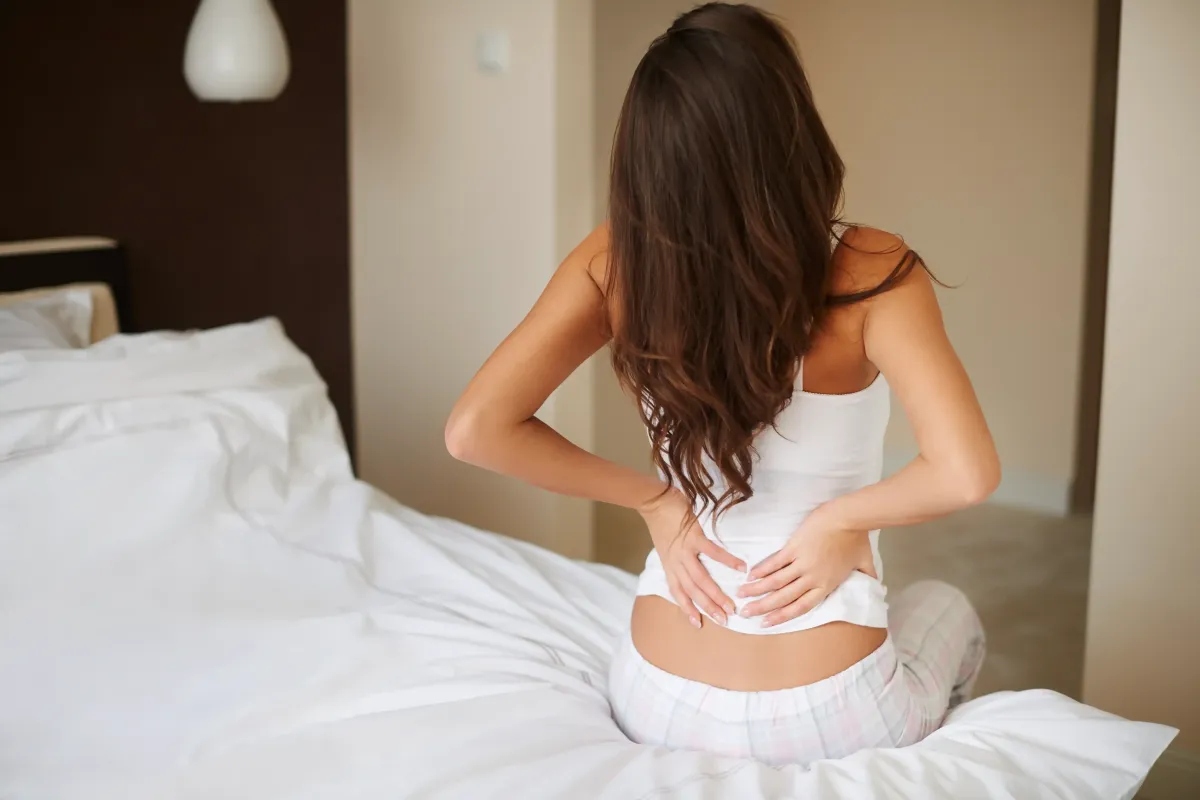
Lower back pain during your period can range from a dull ache to intense discomfort that affects sleep, work, and daily activities. For many women, the pain starts shortly before bleeding begins and becomes worse during the first one or two days of the menstrual cycle. While mild cramping and soreness are common, severe symptoms should never be ignored, especially when they interfere with eating, sleeping, or normal movement.
Why Does Your Lower Back Hurt During Your Period?
Period-related back pain is usually linked to hormonal changes that happen during menstruation. During your cycle, the body releases hormone-like chemicals called prostaglandins. These chemicals help the uterus contract so it can shed its lining. When prostaglandin levels become too high, the contractions can become stronger and more painful.
The pain often starts in the lower abdomen and radiates into the lower back. Some women describe it as throbbing, cramping, pulling, or pressure-like pain across the waistline and pelvis. Women with heavy bleeding or severe menstrual cramps are more likely to experience lower back pain during periods. In some cases, the pain may also be connected to conditions such as:
Endometriosis
Fibroids
Adenomyosis
Ovarian cysts
Pelvic inflammatory conditions
When Period Symptoms Become More Than “Normal Cramps”
Many women assume severe pain during menstruation is something they simply have to tolerate. That is not always true. Symptoms like vomiting, nausea, diarrhea, dizziness, or pain severe enough to wake you from sleep can point toward dysmenorrhea, a condition involving painful menstrual cramps caused by intense uterine contractions.
A 19-year-old patient recently described experiencing severe cramps, heavy flow, nausea, vomiting, bowel urgency, and intense lower back pain during the first day of her cycle. These symptoms disrupted eating, sleep, and normal daily activities. In situations like this, doctors often recommend further evaluation to rule out underlying gynecological conditions and to check whether heavy bleeding has caused anemia.
You should seek medical attention if you experience:
Pain that does not improve with over-the-counter medication
Vomiting that prevents you from keeping fluids down
Fainting or severe dizziness
Heavy bleeding with large clots
Pain that continues after your period ends
Numbness, weakness, or tingling in the legs
Fever alongside pelvic or back pain
Simple Ways to Reduce Lower Back Pain During Your Period
Many women find relief through a combination of home remedies, movement, and lifestyle adjustments. Small changes before and during your cycle can sometimes reduce the intensity of cramps and back pain significantly.
Use Heat to Relax Tight Muscles
Applying a heating pad or hot water bottle to the lower abdomen or back can help relax tense muscles and improve blood flow. Warm baths may also reduce cramping and stiffness.
Heat therapy is often one of the fastest and most effective ways to ease period-related back discomfort naturally.
Stay Hydrated Throughout Your Cycle
Dehydration can make muscle cramps feel worse. Drinking enough water may help reduce bloating and muscle tension during menstruation.
Some women also notice improvement when they limit:
Excess caffeine
Salty processed foods
Alcohol
Sugary drinks
Take Anti-Inflammatory Medication Early
Nonsteroidal anti-inflammatory drugs (NSAIDs) such as ibuprofen or naproxen are commonly used for menstrual cramps and lower back pain because they reduce prostaglandin production.
For best results, many doctors recommend taking them at the first sign of pain or bleeding instead of waiting until symptoms become severe.
Always follow dosage instructions and speak with a healthcare provider if you have stomach problems, kidney disease, or other medical conditions.
Avoid Heavy Meals if You Feel Nauseous
Some women experience nausea, bloating, or vomiting during the first day of their period. Eating lighter meals may feel easier on the stomach during that time. Try bland, easy-to-digest foods such as:
Toast
Rice
Bananas
Soup
Crackers
Gentle Movement Can Help Ease Period Back Pain
Although resting may feel tempting during painful periods, light movement can actually reduce cramping and lower back stiffness. Exercise helps improve blood circulation, relax muscles, and release endorphins, which are natural chemicals that help reduce pain. You do not need intense workouts to feel better. Gentle activities are often enough, including:
Walking
Stretching
Yoga
Pelvic mobility exercises
Deep breathing exercises
Two stretches commonly recommended for period-related back pain include:
Cat-Cow Stretch
This movement gently mobilizes the spine while stretching the abdominal and lower back muscles. It may help relieve tension caused by cramping.
Child’s Pose
Child’s Pose helps relax the lower back and hips while encouraging deep breathing and muscle relaxation.
Medical Treatments That May Be Considered for Persistent Pain
When lifestyle changes are not enough, medical treatment can play an important role in managing severe period-related lower back pain. A healthcare provider may recommend different options based on symptom severity, underlying causes, and overall health.
Hormonal Treatment Options
Hormonal contraceptives are commonly used to reduce painful periods. These may include combination pills, progesterone-only pills, injections, or hormonal intrauterine devices. These treatments may work by:
Reducing uterine lining buildup
Lowering prostaglandin production
Making periods lighter and less painful
Improving cycle regularity
Pain-Relief and Anti-Inflammatory Medicines
NSAIDs such as ibuprofen and naproxen are often first-line treatments for menstrual pain. They work by reducing prostaglandins, which contribute to uterine contractions, inflammation, and pain.
In more severe cases, a doctor may recommend adjustments to the treatment plan based on the person's symptoms and medical history. These medicines should be used according to appropriate medical guidance, particularly when pain is frequent or severe.
Cupping Therapy for Additional Pain Management
Cupping therapy may also be considered as a complementary approach for some people experiencing period-related lower back or muscle pain. During treatment, cups are placed on the skin to create suction over targeted areas, which may temporarily reduce muscle tension and discomfort.
While some people report relief after cupping, research on its effectiveness for menstrual pain remains limited. It should therefore be viewed as a complementary therapy rather than a replacement for medical evaluation or evidence-based treatment. A qualified healthcare professional can help determine whether cupping is appropriate, particularly when pain is persistent or severe.
Medicines for Nausea and Vomiting
If nausea or vomiting becomes severe during periods, antiemetic medications may sometimes be prescribed. These can help control digestive symptoms and make it easier to maintain hydration and take necessary oral medications.
This becomes especially important when vomiting causes dehydration or makes it difficult to keep medications down.
Further Evaluation for Underlying Conditions
When period-related lower back pain is severe, recurring, or worsening, a healthcare provider may recommend further evaluation to identify possible underlying causes. Depending on the symptoms, this may include:
Pelvic ultrasound to evaluate the uterus and ovaries
Blood tests to check for anemia associated with heavy menstrual bleeding
Hormonal evaluation when menstrual cycles are significantly disrupted
Additional imaging or specialist evaluation when conditions such as endometriosis or other pelvic disorders are suspected
How Physical Therapy and Targeted Care Can Help
Lower back pain during menstruation is not always only hormonal. Muscle tension, pelvic alignment, and core stability can also influence pain intensity. Physical therapy-based approaches may help by focusing on:
Gentle core strengthening
Pelvic floor relaxation techniques
Postural correction
Soft tissue release for tight muscles
Breathing and relaxation strategies
When You Should Not Ignore the Pain
While period pain is common, certain patterns should be evaluated rather than dismissed as normal. Seek medical advice if you notice:
Pain that is progressively getting worse each month
Symptoms interfering with sleep, eating, or daily activity
Heavy bleeding requiring frequent pad or tampon changes
Pain spreading into legs or causing weakness
Ongoing nausea, vomiting, or dizziness
No improvement with standard pain medication
If period-related lower back pain is affecting your daily life, you don’t have to manage it alone. At Clifton Physical Therapy, our team provides personalized treatment plans to help reduce pain, improve mobility, and address the underlying muscle and movement issues contributing to your discomfort.
Call today to schedule an appointment and take the next step toward lasting relief and better menstrual health support.
What patients are saying
"I recently had ankle surgery and Clifton PT has been nothing short of amazing! My goal was to get back to playing soccer as quick as possible before the college season started and so far I'm right on track. Izzy, Bianca, Tiff, and John have gone above and beyond to make sure I'm back to 100%. Couldn't be more grateful to be treated by the best team ever!." - Nat Rufino

All the therapists at Clifton Physical Therapy are awesome, but I spend most of my time with Izzy and Bianca—and they’ve been amazing. They’re enthusiastic, knowledgeable, and always take the time to explain what I’m doing and what my issues are. Their positive energy and clear communication make a big difference in my recovery." - Bryan Tompkins
"Going Clifton physical therapy was one of the best thing that came out of my back pain! Every single staff member is amazing and cares for your recovery! I have been with them for the past couple of months and now continuing their workout program! I can’t recommend them enough! Tiffany, Izzy, Bianca and everyone else I have worked with there! Can’t rave about them enough!!." - Monica Mehta
"Clifton Physical Therapy has been a great place for me to heal my meniscus tear. The staff is very knowledgeable and friendly, and has been extremely helpful in guiding me through my recovery. I highly recommend their services.." - Kelly Bevando
Clifton Physical Therapy
✆ Phone (appointments): (973)-241-1338
Address: 1059 Bloomfield Ave, Clifton, NJ 07012


