Dry Needling For Tension Headaches In NJ
Clifton Physical Therapy
Tension headaches can make even simple daily tasks feel exhausting. Many people in New Jersey deal with recurring head pressure, tightness around the temples, neck stiffness, and shoulder tension without realizing that muscle dysfunction may be contributing to their symptoms.
What Causes Tension Headaches?
Tension headaches are one of the most common headache types. They are often described as a dull, aching pressure or a tight band wrapping around the head. Unlike migraines, they usually do not cause severe nausea or visual disturbances, but they can still interfere with work, sleep, concentration, and daily activities.
In many cases, tension headaches are linked to tight muscles and trigger points in the neck, shoulders, and upper back. These trigger points are sensitive knots within muscle tissue that can refer pain into the head and face. Several factors may contribute to tension headaches, including:
Poor posture while working at a desk
Long hours on computers or phones
Emotional stress and anxiety
Muscle strain in the neck and shoulders
Limited neck mobility
Lack of sleep
Jaw clenching or teeth grinding
Previous neck injuries
How Does Dry Needling Help With Tension Headaches?
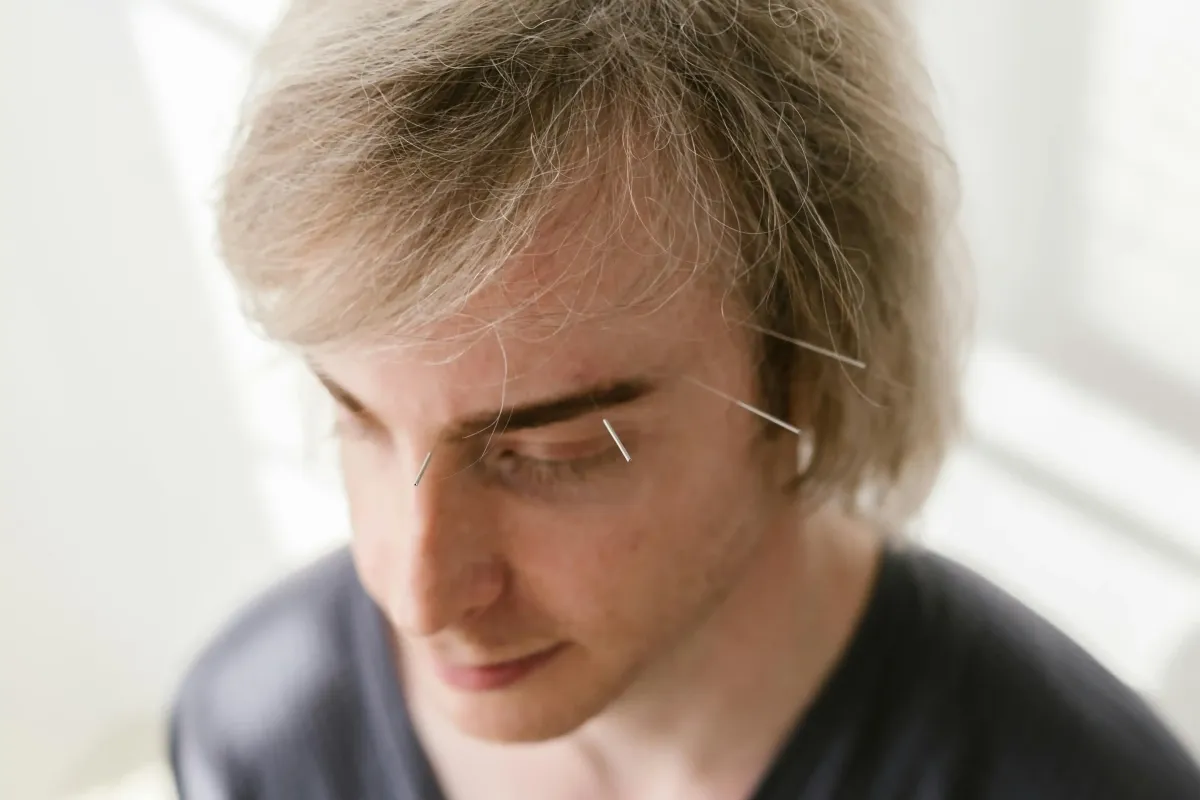
Dry needling is a physical therapy technique that uses thin, sterile needles to target trigger points and tight muscle bands. The goal is to release muscle tension, improve circulation, and reduce pain.
During treatment, a licensed physical therapist inserts a fine needle directly into the affected muscle. This may create a brief twitch response within the muscle, which is a normal reaction. The twitch often helps relax the muscle and reduce irritation around the trigger point. Dry needling may help tension headaches by:
Releasing tight muscles in the neck and shoulders
Reducing pressure on irritated nerves
Improving blood flow to painful tissues
Decreasing inflammation
Restoring normal muscle movement
Lowering headache frequency and intensity
Research has shown that dry needling may improve headache-related disability and muscle tenderness, particularly in people with tension-type headaches and cervicogenic headaches. While results vary from person to person, many patients report noticeable symptom relief after treatment sessions.
Which Muscles Are Commonly Treated?
Tension headaches are often connected to specific muscle groups that develop tightness from posture, stress, or repetitive movements. During a physical therapy evaluation, the therapist identifies which muscles are contributing to the headache pattern. Some of the most commonly treated muscles include:
Upper Trapezius
The upper trapezius muscle runs from the shoulders to the neck. Poor posture, stress, and prolonged sitting frequently cause tightness in this area. Trigger points here can refer pain to the temples and back of the head.
Suboccipital Muscles
These small muscles sit at the base of the skull and help support head movement. Tightness in the suboccipital region is commonly linked to headaches that begin near the neck and spread upward.
This muscle connects the neck to the shoulder blade. Dysfunction here may contribute to neck stiffness, reduced mobility, and pain radiating toward the head.
Sternocleidomastoid (SCM)
The SCM muscle runs along the front and side of the neck. Trigger points in this muscle can create pain patterns that mimic headaches, facial pain, or pressure around the eyes.
What Happens During A Dry Needling Session?
A dry needling session at Clifton Physical Therapy begins with a detailed evaluation to understand your symptoms, posture, neck mobility, and muscle tension patterns.
Once trigger points are identified, thin needles are inserted into specific muscles. Most patients describe the sensation as mild pressure or a quick twitch rather than sharp pain. The treatment itself usually lasts only a few minutes for each muscle.
After treatment, some people notice immediate relief, while others experience mild soreness for 24 to 48 hours before improvement begins. This temporary soreness is similar to post-exercise muscle soreness and typically resolves quickly. Dry needling is often combined with other physical therapy treatments for better long-term results, including:
Manual therapy
Postural correction exercises
Stretching programs
Neck strengthening exercises
Ergonomic education
Stress management strategies
What Are The Benefits Of Dry Needling For Tension Headaches?
Many patients seek dry needling because they want a treatment approach that addresses the source of their headaches rather than simply masking symptoms with medication. Some potential benefits of dry needling for tension headaches include:
Reduced Headache Frequency
Chronic muscle tension can repeatedly trigger headaches. Releasing trigger points may help decrease how often headaches occur.
Less Muscle Tightness
Tight muscles in the neck and shoulders can place constant stress on surrounding joints and nerves. Dry needling helps relax these muscles and improve comfort.
Better Neck Mobility
Restricted neck movement is common in people with tension headaches. Patients often notice improved flexibility and easier head movement after treatment.
Improved Posture
Poor posture places continuous strain on the cervical spine and upper back. Physical therapy combined with dry needling may help correct these movement patterns.
Drug-Free Pain Relief
Many people prefer conservative treatment options that do not rely heavily on pain medication. Dry needling offers a non-surgical and medication-free approach for managing symptoms.
Faster Recovery From Muscle Irritation
By improving circulation and tissue healing, dry needling may help irritated muscles recover more efficiently.
Is Dry Needling Effective For Headaches?
Research on dry needling for headaches continues to grow. Studies suggest that dry needling may help improve headache-related disability, muscle tenderness, neck mobility, and overall quality of life in people with tension-type headaches and cervicogenic headaches.
Some patients experience relief shortly after treatment, while others improve gradually over several sessions. Outcomes often depend on factors such as:
Severity of muscle tension
Duration of symptoms
Stress levels
Postural habits
Neck mobility limitations
Consistency with physical therapy exercises
Are There Any Side Effects Or Risks?
Dry needling is generally considered safe when performed by a trained healthcare professional. However, like any treatment, there are possible side effects and risks patients should understand. Common temporary side effects may include:
Mild soreness after treatment
Bruising
Minor bleeding at the needle site
Fatigue after the session
These symptoms are usually short-lived and improve within a day or two.
Serious complications are rare but may include:
Infection
Nerve irritation
Injury to blood vessels
Pneumothorax (collapsed lung) when treating muscles near the chest region
Who Should Avoid Dry Needling?
Dry needling may not be suitable for everyone. Certain medical conditions and situations may increase risks or require additional precautions.
People who should speak with a healthcare provider before treatment include those with:
Bleeding disorders
Active infections
Significant swelling in the treatment area
Compromised immune systems
Severe needle anxiety
Certain vascular conditions
Dry needling is also generally avoided during the first trimester of pregnancy and may not be recommended for young children.
How Many Sessions Will You Need?
The number of dry needling sessions varies from person to person. Some patients experience improvement after one or two visits, while others require ongoing care to address chronic muscle tension and movement dysfunction. A treatment plan may depend on:
How long headaches have been present
Headache frequency and severity
Muscle tightness and trigger point activity
Work posture and daily habits
Stress levels
Response to treatment
Tension headaches can affect concentration, sleep, work performance, and overall quality of life. When muscle tightness and trigger points contribute to these symptoms, dry needling may help reduce pain, improve mobility, and relieve persistent tension.
If you are looking for dry needling for tension headaches in New Jersey, contact Clifton Physical Therapy today at (973)-241-1338 to schedule an evaluation and start your recovery plan.
What patients are saying
"I recently had ankle surgery and Clifton PT has been nothing short of amazing! My goal was to get back to playing soccer as quick as possible before the college season started and so far I'm right on track. Izzy, Bianca, Tiff, and John have gone above and beyond to make sure I'm back to 100%. Couldn't be more grateful to be treated by the best team ever!." - Nat Rufino

All the therapists at Clifton Physical Therapy are awesome, but I spend most of my time with Izzy and Bianca—and they’ve been amazing. They’re enthusiastic, knowledgeable, and always take the time to explain what I’m doing and what my issues are. Their positive energy and clear communication make a big difference in my recovery." - Bryan Tompkins
"Going Clifton physical therapy was one of the best thing that came out of my back pain! Every single staff member is amazing and cares for your recovery! I have been with them for the past couple of months and now continuing their workout program! I can’t recommend them enough! Tiffany, Izzy, Bianca and everyone else I have worked with there! Can’t rave about them enough!!." - Monica Mehta
"Clifton Physical Therapy has been a great place for me to heal my meniscus tear. The staff is very knowledgeable and friendly, and has been extremely helpful in guiding me through my recovery. I highly recommend their services.." - Kelly Bevando
Clifton Physical Therapy
✆ Phone (appointments): (973)-241-1338
Address: 1059 Bloomfield Ave, Clifton, NJ 07012


