Dry Needling for Shoulder Pain in NJ
Clifton Physical Therapy
Why Does Shoulder Pain Keep Coming Back?
Shoulder pain often starts small but gradually turns into something that affects daily life. Reaching overhead, lifting objects, or even sleeping on one side can become uncomfortable.
One of the most overlooked reasons behind persistent shoulder pain is myofascial pain syndrome (MPS). This condition involves tight, sensitive knots in the muscles known as trigger points. These knots can refer pain to other areas, making the problem feel deeper and more widespread than it actually is. Common causes of ongoing shoulder pain include:
Repetitive overhead movements (sports, gym, or work-related)
Poor posture, especially desk jobs
Muscle imbalances or weakness
Previous injuries that never fully healed
Overuse of the rotator cuff muscles
In many cases, the issue is not just inflammation or joint damage. It is the muscle system itself staying in a constant state of tension, which is exactly where dry needling can make a difference.
What Is Dry Needling and How Does It Work?
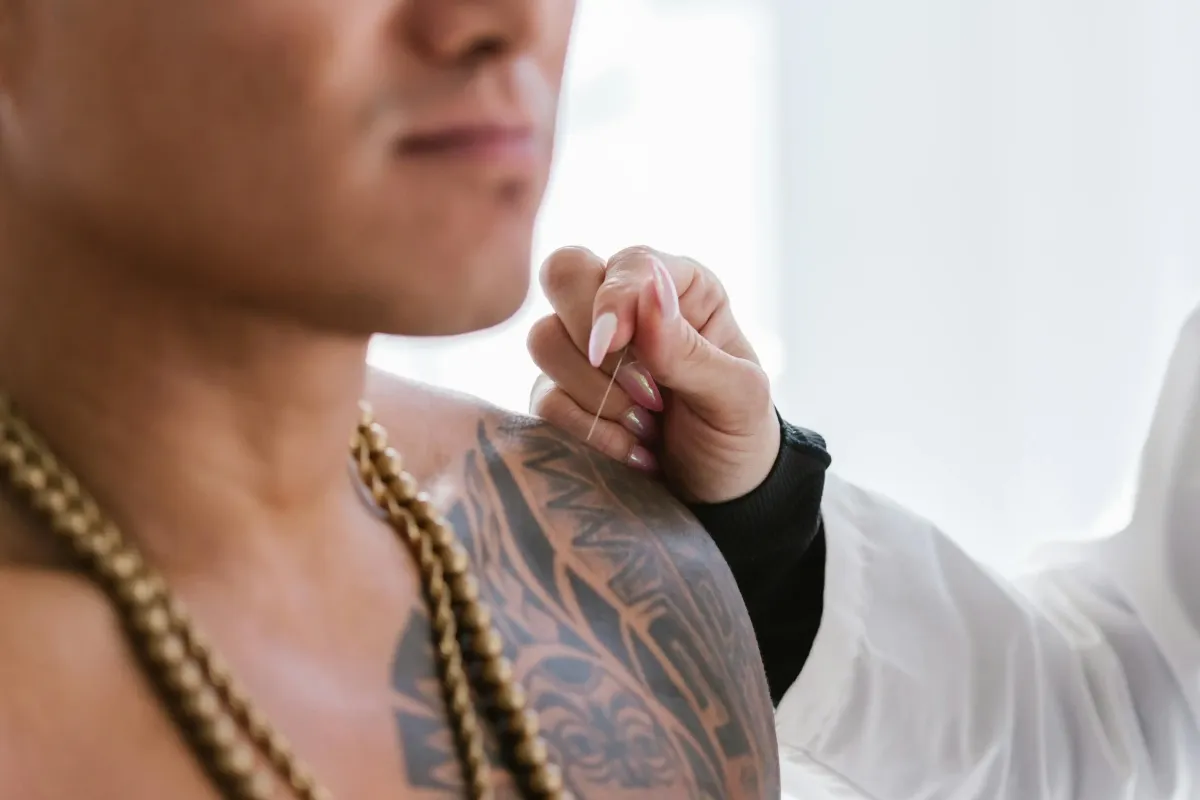
Dry needling is a technique used by trained physical therapists to treat muscle pain and dysfunction. It involves inserting a very thin, sterile needle directly into tight muscle bands or trigger points.
Despite the name, nothing is injected. The needle itself does the work. When the needle reaches a trigger point, it creates a small, controlled response in the muscle. This often leads to a quick twitch, followed by relaxation of that tight area. That process helps:
Release muscle tension
Improve blood flow
Reduce sensitivity in the area
Restore normal muscle function
It’s important to clear up a common confusion. Dry needling is different from acupuncture. While both use needles, dry needling is based on modern anatomy and focuses specifically on muscle and nerve function, not traditional energy pathways.
How Effective Is Dry Needling for Shoulder Pain?
Clinical research supports what many patients report in the clinic. In a controlled study on people with chronic shoulder pain linked to trigger points, a single session of dry needling significantly reduced pain levels compared to a sham treatment.
Pain scores dropped notably within a couple of days and continued improving over the following week. Patients also showed:
Reduced muscle sensitivity
Smaller areas of pain spread
Better overall comfort with movement
What this means in real terms:
Dry needling does not just mask pain. It helps change how the muscle behaves, which is why relief can last beyond the treatment session.
How Does Dry Needling Help Shoulder Pain Specifically?
The shoulder is a complex joint supported by multiple muscles working together. When even one of these muscles becomes tight or overactive, it can throw off the entire system. Dry needling targets key muscles commonly involved in shoulder pain, such as:
Rotator cuff muscles (like infraspinatus and subscapularis)
Deltoid muscles
Upper back and scapular stabilizers
By releasing tight trigger points, dry needling helps to:
Decrease deep, aching pain
Improve range of motion
Reduce that “pinching” feeling during movement
Restore proper muscle balance
Improve circulation to the affected area
For conditions like shoulder impingement, muscle-related pain, or postural strain, this can make a noticeable difference.
However, it’s worth being realistic. Dry needling is most effective for muscle-driven pain. If your shoulder pain is coming from structural issues like severe arthritis or a significant tear, additional treatments may be needed alongside it.
Is Dry Needling Safe?
When performed by a trained and licensed physical therapist, dry needling is considered a safe and well-tolerated treatment. Most patients handle it without any issues. Some mild side effects can happen, including:
Temporary soreness in the treated area
Minor bruising
Light fatigue or dizziness shortly after the session
These effects are short-lived and usually settle within a day or two.
What Does It Feel Like After Treatment?
It’s normal to feel a bit different after your session, and not always in the same way for everyone. Some people feel immediate relief, while others notice gradual improvement over the next 24–72 hours. You may experience:
Mild soreness, similar to post-workout muscle soreness
A feeling of looseness or reduced tension
Improved movement in the shoulder
Less pain with daily activities
Soreness can show up a few hours later or even the next day. This is part of how the muscle resets and recovers.
What Should You Do After Dry Needling?
What you do after treatment can affect how well you recover and how long the results last.
Here’s what generally helps:
Recommended:
Stay hydrated for the next 24 hours
Keep moving with light, normal activities
Follow the exercises given by your physical therapist
Use ice if the area feels sore
Avoid for the first 24 hours:
Heavy or intense shoulder workouts
Trying new or strenuous activities
Overusing the treated muscles
The goal is simple: keep the muscle active, but don’t overload it right away.
Who Is a Good Candidate for Dry Needling?
Dry needling is not for everyone, but it works very well for the right type of shoulder pain. You may benefit from it if you have:
Deep, aching shoulder pain with tight knots
Pain that spreads to the upper arm or back
Limited range of motion due to muscle tightness
Shoulder imbalance or postural issues
Ongoing discomfort that hasn’t improved with rest alone
It’s especially useful for people dealing with myofascial pain syndrome, overuse injuries, or muscle-related shoulder conditions.
Why Combine Dry Needling with Physical Therapy?
Dry needling works best when it’s not used in isolation.
Think of it this way:
It helps “reset” the muscle, but you still need to retrain it. That’s where physical therapy comes in. A complete treatment plan may include:
Targeted strengthening exercises
Mobility and flexibility work
Posture correction
Manual therapy techniques
This combination helps:
Prevent the pain from coming back
Improve long-term shoulder stability
Restore normal movement patterns
At Clifton Physical Therapy, dry needling is used as part of a structured plan, not a one-time fix.
When Should You Seek Treatment for Shoulder Pain?
It’s easy to ignore shoulder pain at first, but waiting too long can make things harder to treat. You should consider getting it checked if:
Pain lasts more than a few days
You struggle to lift or move your arm normally
There’s weakness or stiffness that isn’t improving
You feel a catching or pinching sensation
Daily tasks are becoming uncomfortable
Shoulder pain doesn’t have to control your routine. If muscle tightness and trigger points are part of the problem, dry needling can be an effective way to relieve pain and restore movement.
Call Clifton Physical Therapy at (973)-241-1338 to schedule your evaluation and start your recovery today.
What patients are saying
"I recently had ankle surgery and Clifton PT has been nothing short of amazing! My goal was to get back to playing soccer as quick as possible before the college season started and so far I'm right on track. Izzy, Bianca, Tiff, and John have gone above and beyond to make sure I'm back to 100%. Couldn't be more grateful to be treated by the best team ever!." - Nat Rufino

All the therapists at Clifton Physical Therapy are awesome, but I spend most of my time with Izzy and Bianca—and they’ve been amazing. They’re enthusiastic, knowledgeable, and always take the time to explain what I’m doing and what my issues are. Their positive energy and clear communication make a big difference in my recovery." - Bryan Tompkins
"Going Clifton physical therapy was one of the best thing that came out of my back pain! Every single staff member is amazing and cares for your recovery! I have been with them for the past couple of months and now continuing their workout program! I can’t recommend them enough! Tiffany, Izzy, Bianca and everyone else I have worked with there! Can’t rave about them enough!!." - Monica Mehta
"Clifton Physical Therapy has been a great place for me to heal my meniscus tear. The staff is very knowledgeable and friendly, and has been extremely helpful in guiding me through my recovery. I highly recommend their services.." - Kelly Bevando
Clifton Physical Therapy
✆ Phone (appointments): (973)-241-1338
Address: 1059 Bloomfield Ave, Clifton, NJ 07012
Clifton Physical Therapy | cliftonphysio.com


