
Dry Needling for Plantar Fasciitis in NJ
Clifton Physical Therapy
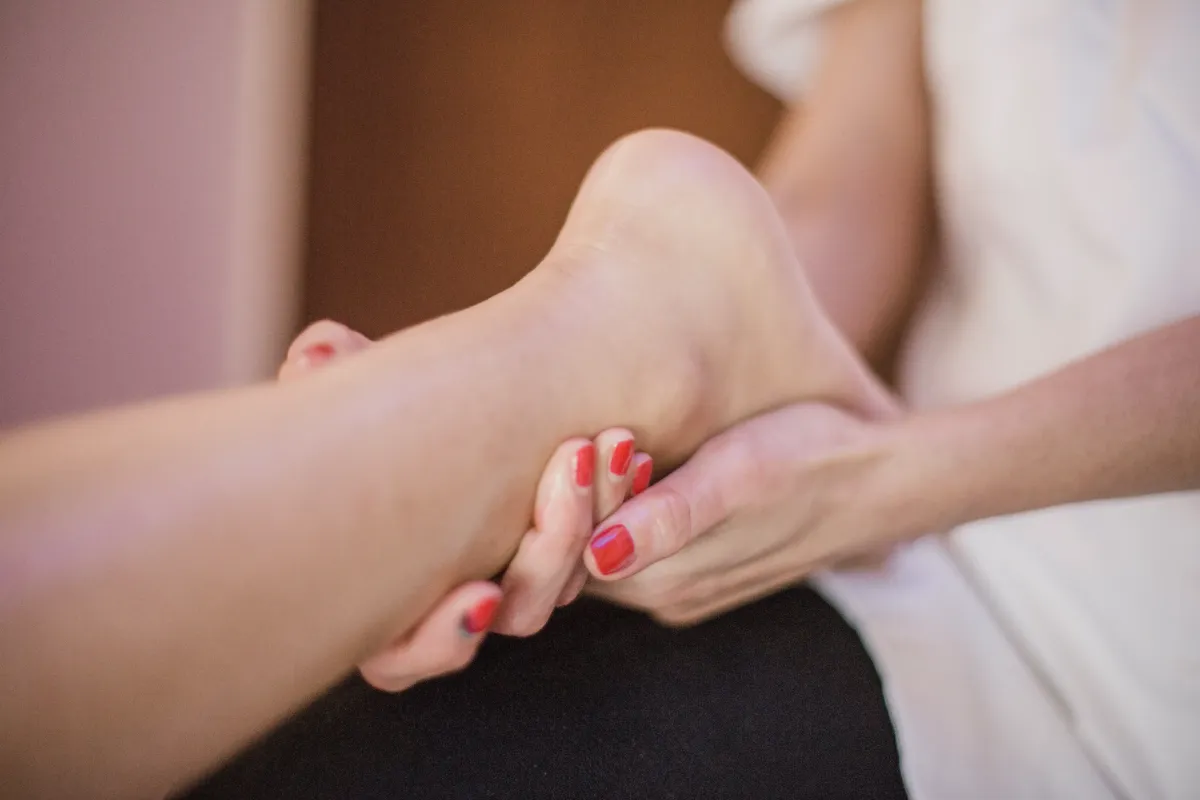
Heel pain can make even simple activities frustrating. Many people with plantar fasciitis struggle with sharp pain during their first steps in the morning, discomfort after standing for long hours, or soreness that limits exercise and work activities.
What Is Plantar Fasciitis and Why Does It Hurt?
Plantar fasciitis develops when the plantar fascia, a thick band of connective tissue running from the heel to the toes, becomes irritated from repetitive stress. The plantar fascia helps support the arch of the foot and absorbs impact during walking, running, and standing.
When too much strain is placed on this tissue, small tears and inflammation can develop. Over time, the condition may become more degenerative than inflammatory, especially when the body cannot fully recover between activities. Most patients describe plantar fasciitis pain as:
Sharp or stabbing pain near the heel
Severe discomfort during the first few morning steps
Pain after sitting for long periods
Increased soreness after prolonged standing or exercise
Tightness in the calf and bottom of the foot
Research estimates that plantar fasciitis affects approximately 4% to 7% of the population and is one of the most common causes of heel pain in adults between ages 40 and 60. It is also responsible for nearly 15% of foot-related complaints seen in clinical settings.
What Factors Increase the Risk of Plantar Fasciitis?
Several biomechanical and lifestyle factors can increase stress on the plantar fascia. In many cases, heel pain does not develop from a single injury. Instead, it gradually builds over time due to repeated overload. Common risk factors include:
Prolonged Standing or Walking
Teachers, nurses, warehouse employees, retail workers, and healthcare professionals often spend hours on hard surfaces, increasing strain on the foot.
Sports and High-Impact Activity
Running, jumping, dancing, and court sports place repetitive stress on the heel and arch. Without proper recovery, the tissue may become irritated.
Tight Calf Muscles
Limited ankle mobility caused by tight calf muscles can alter foot mechanics and increase pulling forces on the plantar fascia.
Flat Feet or High Arches
Foot structure plays a major role in shock absorption. Both flat feet and excessively high arches can increase plantar fascia stress.
Excess Body Weight
Additional body weight increases pressure on the heel during standing and walking activities.
Poor Footwear
Shoes with limited arch support or worn-out cushioning may contribute to abnormal loading patterns in the foot.
At Clifton Physical Therapy, physical therapists evaluate the entire lower body, not just the painful area. Weakness or tightness in the calf, hip, or leg muscles can contribute to persistent plantar fasciitis symptoms.
What Is Dry Needling?
Dry needling is a modern treatment technique used by trained physical therapists to reduce muscular tension, relieve pain, and improve movement.
During treatment, a thin sterile needle is inserted into tight muscle bands called trigger points. These trigger points can develop from repetitive stress, poor movement patterns, overuse, or previous injuries.
Unlike injections, dry needling does not involve medication. The needle itself stimulates a response within the muscle and nervous system.
The goals of dry needling include:
Releasing muscle tightness
Improving blood flow
Reducing pain sensitivity
Improving tissue mobility
Restoring normal muscle function
For plantar fasciitis, dry needling is commonly performed in:
The calf muscles
The muscles along the arch of the foot
The heel region
Supporting muscles in the lower leg
How Does Dry Needling Help Plantar Fasciitis?
Dry needling targets muscular dysfunction that may contribute to ongoing heel pain. When the needle reaches a trigger point, the muscle may briefly twitch before relaxing. This response can help decrease tension and improve circulation within the affected tissue.
Research on dry needling for plantar fasciitis has shown encouraging outcomes. One randomized clinical trial involving patients with chronic plantar fasciitis found that individuals receiving dry needling experienced significantly greater reductions in heel pain after four weeks compared to the control group. Patients also demonstrated measurable improvements in foot function scores.
A larger systematic review analyzing 12 randomized controlled trials involving 781 patients reported that dry needling helped reduce pain scores and improve foot function, especially when combined with routine physical therapy treatments. The potential benefits of dry needling for plantar fasciitis include:
Reduced Heel Pain
Dry needling may help calm irritated muscles and decrease pain signals sent to the nervous system.
Better Foot Function
Patients often notice improvements in walking tolerance, standing endurance, and daily movement.
Improved Blood Flow
The treatment stimulates circulation in tight or irritated tissues, supporting healing.
Increased Mobility
Reducing muscular tightness in the calf and foot can improve ankle and foot movement mechanics.
Support for Long-Term Recovery
Dry needling is typically most effective when combined with stretching, strengthening exercises, movement correction, and manual therapy.
What Happens During a Dry Needling Session for Plantar Fasciitis?
Dry needling sessions at Clifton Physical Therapy begin with a detailed evaluation of the foot, ankle, and lower leg. Since plantar fasciitis is often connected to tight calf muscles, poor ankle mobility, or muscle imbalances higher up the leg, treatment focuses on more than just the heel itself.
During the session, your physical therapist will identify trigger points and tight tissue contributing to stress on the plantar fascia. Once the skin is cleaned, very thin sterile needles are inserted into specific muscles or connective tissues. Common treatment areas may include:
The calf muscles
The arch of the foot
The heel region
The muscles along the inside of the lower leg
Supporting hip and leg muscles when needed
Some patients feel a small pinprick during insertion, while others barely notice the needle. A brief muscle twitch or aching sensation may occur when the needle reaches a trigger point. This response is normal and often indicates the tight muscle is releasing. Depending on the treatment plan, needles may remain in place for several seconds or up to 15 minutes.
Is Dry Needling for Plantar Fasciitis Painful?
Most patients tolerate dry needling very well. The needles used are much thinner than standard injection needles.
You may experience:
Mild pressure
A quick muscle twitch
Temporary soreness
A dull ache in tight muscles
Some soreness afterward is common and usually feels similar to post-workout muscle fatigue. This often resolves within 24 to 48 hours.
Patients are encouraged to stay hydrated and perform gentle movement or stretching after treatment to help recovery.
How Many Dry Needling Sessions Are Usually Needed?
The number of sessions varies depending on:
How long symptoms have been present
The severity of heel pain
Activity level
Foot mechanics
Associated muscle tightness or weakness
Many patients begin noticing symptom improvement within a few sessions. Research suggests measurable improvements in pain and foot function often become more noticeable after approximately 4 weeks of treatment. A typical treatment plan may include:
1 to 2 sessions per week
Approximately 4 to 8 weeks of care
Re-evaluation based on progress and functional improvement
What Other Treatments Help Alongside Dry Needling?
At Clifton Physical Therapy, dry needling is often combined with evidence-based physical therapy treatments to address the underlying causes of plantar fasciitis. Depending on the patient’s condition, treatment may include:
Therapeutic Exercises
Specific exercises help strengthen the muscles that support the foot and ankle while improving lower-body mechanics.
Calf and Plantar Fascia Stretching
Stretching tight calf muscles and the plantar fascia can reduce excessive pulling on the heel.
Manual Therapy
Hands-on techniques may help improve soft tissue mobility and joint movement in the foot and ankle.
Balance and Gait Training
Improving walking mechanics and lower-body stability may reduce repetitive stress on the plantar fascia.
Footwear and Activity Guidance
Supportive footwear recommendations and activity modifications can help prevent symptom flare-ups.
Who May Benefit From Dry Needling for Heel Pain?
Dry needling may benefit patients who:
Have ongoing heel pain despite rest and stretching
Experience pain during the first steps in the morning
Have tight calf muscles or limited ankle mobility
Spend long hours standing at work
Participate in running or high-impact sports
Want to avoid more invasive procedures when possible
Are There Any Risks or Side Effects?
Dry needling is considered safe when performed by a licensed and properly trained physical therapist. Potential side effects are usually mild and temporary, including:
Minor soreness
Small bruising
Temporary fatigue
Mild bleeding at insertion sites
Serious complications are rare.
Patients should inform their healthcare provider about:
Pregnancy
Bleeding disorders
Blood-thinning medications
Recent surgeries
Certain medical conditions affecting healing
Persistent heel pain should not control your daily routine. If you are struggling with plantar fasciitis, dry needling combined with targeted physical therapy may help reduce pain and improve recovery.
Contact us today at (973)-241-1338 to schedule an evaluation and learn whether dry needling for plantar fasciitis is right for you.
What patients are saying
"I recently had ankle surgery and Clifton PT has been nothing short of amazing! My goal was to get back to playing soccer as quick as possible before the college season started and so far I'm right on track. Izzy, Bianca, Tiff, and John have gone above and beyond to make sure I'm back to 100%. Couldn't be more grateful to be treated by the best team ever!." - Nat Rufino

All the therapists at Clifton Physical Therapy are awesome, but I spend most of my time with Izzy and Bianca—and they’ve been amazing. They’re enthusiastic, knowledgeable, and always take the time to explain what I’m doing and what my issues are. Their positive energy and clear communication make a big difference in my recovery." - Bryan Tompkins
"Going Clifton physical therapy was one of the best thing that came out of my back pain! Every single staff member is amazing and cares for your recovery! I have been with them for the past couple of months and now continuing their workout program! I can’t recommend them enough! Tiffany, Izzy, Bianca and everyone else I have worked with there! Can’t rave about them enough!!." - Monica Mehta
"Clifton Physical Therapy has been a great place for me to heal my meniscus tear. The staff is very knowledgeable and friendly, and has been extremely helpful in guiding me through my recovery. I highly recommend their services.." - Kelly Bevando
Clifton Physical Therapy
✆ Phone (appointments): (973)-241-1338
Address: 1059 Bloomfield Ave, Clifton, NJ 07012


