
Dry Needling for Neck Pain in NJ
Clifton Physical Therapy
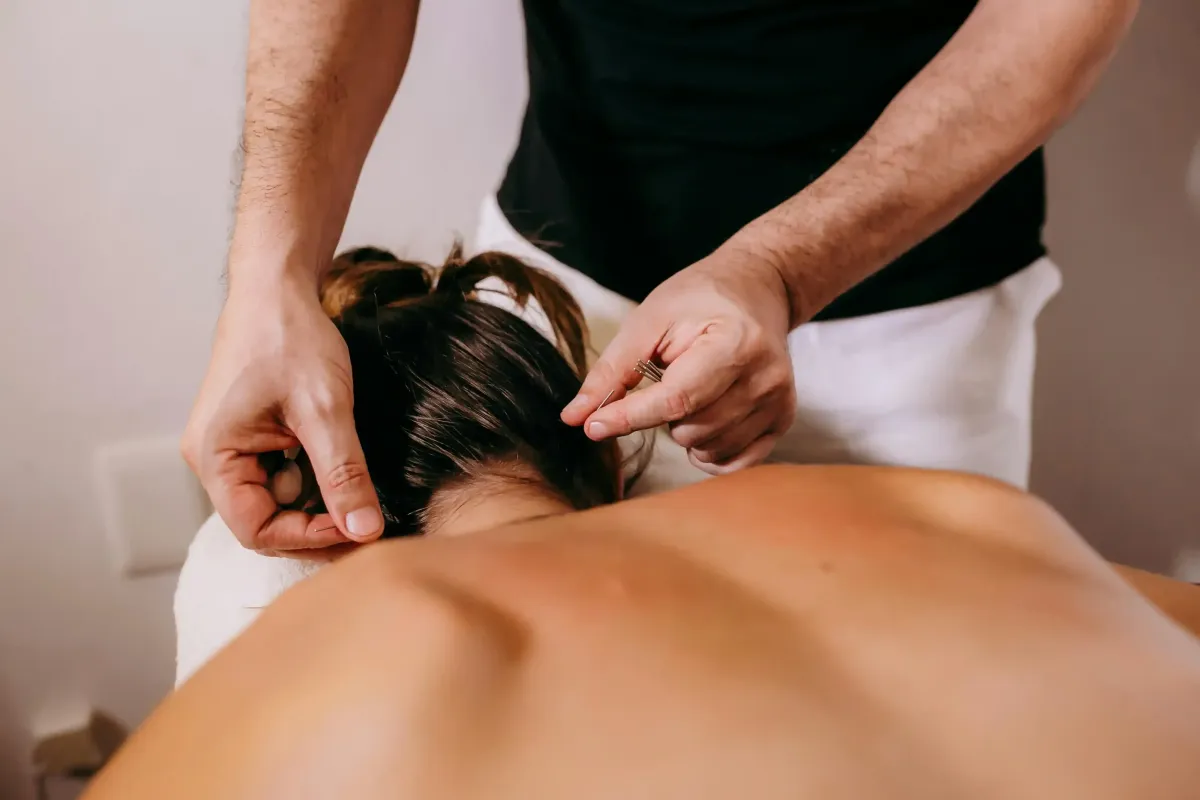
What Should You Know About Neck Pain and Why It Happens?
Neck pain is one of the most common musculoskeletal issues, especially for people who spend long hours at a desk, use phones frequently, or deal with ongoing stress. In New Jersey, many patients come in with stiffness, reduced mobility, and pain that sometimes spreads into the shoulders or upper back.
This discomfort often develops gradually. Poor posture, repetitive strain, and muscle imbalances are usually behind it. In some cases, injuries like whiplash or sports-related strain can trigger more intense symptoms.
A key contributor to persistent neck pain is the presence of trigger points. These are tight, sensitive knots within muscle tissue that can cause pain locally or refer pain to other areas. For example, a trigger point in the neck may lead to headaches or shoulder discomfort.
If not addressed early, these issues can become chronic. That’s when simple movements like turning your head, working at a computer, or even sleeping comfortably start to feel difficult.
How Does Dry Needling Work for Neck Pain?
Dry needling is a targeted treatment used in physical therapy to relieve muscle tension and reduce pain. It involves inserting very thin, sterile needles into specific trigger points within the muscle.
Unlike injections, nothing is delivered through the needle. The goal is mechanical stimulation. When the needle reaches a tight muscle band, it can trigger a brief twitch response. This helps the muscle release tension and reset to a more relaxed state. This process can:
Improve blood flow to the affected area
Reduce inflammation
Decrease muscle tightness
Restore normal movement patterns
Dry needling focuses on the musculoskeletal system and is based on modern anatomy and pain science. While it may look similar to acupuncture, the intent and technique are different. Acupuncture follows traditional Chinese medicine principles, whereas dry needling targets specific muscle dysfunction.
Can Dry Needling Actually Relieve Neck Pain?
Current research points to real benefits, especially for people dealing with myofascial neck pain.
Clinical studies show that dry needling can:
Reduce pain intensity in the short term
Improve function and range of motion
Support recovery when combined with physical therapy
Some patients experience relief within a few sessions, while others notice gradual improvement over several weeks. Research also suggests that the effects can last from a few weeks up to several months, depending on the severity of the condition and overall health.
One important detail: dry needling tends to work best when it’s part of a broader treatment plan. Combining it with stretching, strengthening exercises, and posture correction usually leads to better and longer-lasting results.
What Are the Key Benefits of Dry Needling for Neck Pain?
Dry needling is popular because it addresses the root cause of muscle pain rather than just masking symptoms.
Here’s what patients typically notice:
Reduced muscle tightness
Tight knots in the neck and shoulders begin to release, which lowers overall tension.
Improved mobility
Turning your head, looking up or down, and daily movements become easier and less painful.
Relief from tension headaches
Many headaches start from tight neck muscles. Releasing these trigger points often reduces headache frequency and intensity.
Faster recovery
Better blood flow helps the body heal irritated tissues more efficiently.
No reliance on medication
It’s a drug-free option, which makes it appealing for people who want to avoid long-term medication use.
Does Dry Needling Hurt?
This is one of the first questions most patients ask, and the honest answer is: it depends on the individual and the area being treated.
The needles used in dry needling are extremely thin, much smaller than those used for injections. When inserted, you may feel a slight prick or a quick twitch in the muscle. That twitch response is actually a good sign. It means the targeted trigger point is releasing.
Some areas can feel more sensitive, especially if the muscle is already irritated. After the session, it’s common to feel mild soreness, similar to what you might experience after a workout. This usually fades within 24 to 48 hours.
Serious discomfort is uncommon. Most patients tolerate the treatment well and find that the relief outweighs the temporary soreness.
Are There Any Side Effects to Be Aware Of?
Dry needling is considered safe when performed by a properly trained professional. That said, like any treatment, there can be mild side effects. The most common ones include:
Minor bleeding at the insertion site
Bruising
Temporary soreness
Fatigue or drowsiness
Occasional headache
These effects are typically short-lived and resolve on their own. More serious complications are rare, especially when treatment is performed in a clinical setting by licensed providers. At Clifton Physical Therapy, patient safety is always the priority, and every session is tailored based on your condition and tolerance.
How Long Do the Results Last?
The duration of relief can vary from person to person. Some patients feel noticeable improvement after just one or two sessions, while others need a series of treatments to see consistent results. Based on current evidence and clinical experience:
Short-term relief can happen within days
Many patients experience benefits lasting several weeks
In some cases, improvements continue for up to 3–6 months
Factors that influence results include:
Severity of your neck pain
How long you’ve had the condition
Your daily habits and posture
Whether you follow recommended exercises
Dry needling works best when combined with a full physical therapy plan. Addressing strength, posture, and movement patterns helps maintain the results and prevent the pain from returning.
What Happens During a Dry Needling Session?
If you’ve never had dry needling before, knowing what to expect can make the process much more comfortable.
A typical session includes:
1. Evaluation
Your physical therapist will assess your posture, movement, and pain points to identify the muscles contributing to your symptoms.
2. Targeted Treatment
Thin needles are inserted into specific trigger points. You may feel a quick twitch or mild discomfort, which usually lasts only a few seconds.
3. Post-Treatment Care
After the session, you may be guided through light stretches or corrective exercises to support recovery.
Sessions are usually quick, and many patients return to normal activities the same day. You may be advised to stay hydrated and avoid intense activity for a short period after treatment.
When Should You See a Professional for Neck Pain?
Not all neck pain requires advanced treatment, but certain signs shouldn’t be ignored. You should consider seeing a professional if:
Pain lasts longer than a week without improvement
Over-the-counter medications aren’t helping
Pain spreads into the arms or shoulders
You feel numbness, tingling, or weakness
Headaches or stiffness are becoming frequent
The pain started after an injury
Early treatment can prevent minor issues from turning into long-term problems.
Is Dry Needling the Same as Acupuncture?
While both techniques use thin needles, they are not the same.
Dry needling is based on modern anatomy and focuses on releasing tight muscle bands and improving function. It targets specific trigger points linked to pain and movement issues.
Acupuncture, on the other hand, comes from traditional Chinese medicine and is based on restoring energy flow within the body.
Both can be helpful, but dry needling is more commonly used in physical therapy settings for musculoskeletal conditions like neck pain.
Can Dry Needling Help with Other Conditions?
Yes, dry needling is not limited to neck pain. It’s widely used to treat different types of muscle-related conditions.
These include:
Shoulder pain
Hip and glute pain
Sports injuries
Myofascial pain syndrome
In many cases, it helps reduce pain quickly so patients can actively participate in rehab exercises and recover faster.
Final Thoughts
Dry needling can be a practical option for managing neck pain, especially when muscle tightness and trigger points are involved. It offers a targeted, drug-free approach that focuses on improving how your muscles function.
If you’re dealing with ongoing stiffness, tension headaches, or limited movement, getting the right treatment early can make a big difference. Clifton Physical Therapy offers personalized care to help you move better and feel better. Call (973)-241-1338 to book your appointment today.
What patients are saying
"I recently had ankle surgery and Clifton PT has been nothing short of amazing! My goal was to get back to playing soccer as quick as possible before the college season started and so far I'm right on track. Izzy, Bianca, Tiff, and John have gone above and beyond to make sure I'm back to 100%. Couldn't be more grateful to be treated by the best team ever!." - Nat Rufino

All the therapists at Clifton Physical Therapy are awesome, but I spend most of my time with Izzy and Bianca—and they’ve been amazing. They’re enthusiastic, knowledgeable, and always take the time to explain what I’m doing and what my issues are. Their positive energy and clear communication make a big difference in my recovery." - Bryan Tompkins
"Going Clifton physical therapy was one of the best thing that came out of my back pain! Every single staff member is amazing and cares for your recovery! I have been with them for the past couple of months and now continuing their workout program! I can’t recommend them enough! Tiffany, Izzy, Bianca and everyone else I have worked with there! Can’t rave about them enough!!." - Monica Mehta
"Clifton Physical Therapy has been a great place for me to heal my meniscus tear. The staff is very knowledgeable and friendly, and has been extremely helpful in guiding me through my recovery. I highly recommend their services.." - Kelly Bevando
Clifton Physical Therapy
✆ Phone (appointments): (973)-241-1338
Address: 1059 Bloomfield Ave, Clifton, NJ 07012
Clifton Physical Therapy | cliftonphysio.com


