
Dry Needling for Knee Pain in NJ
Clifton Physical Therapy
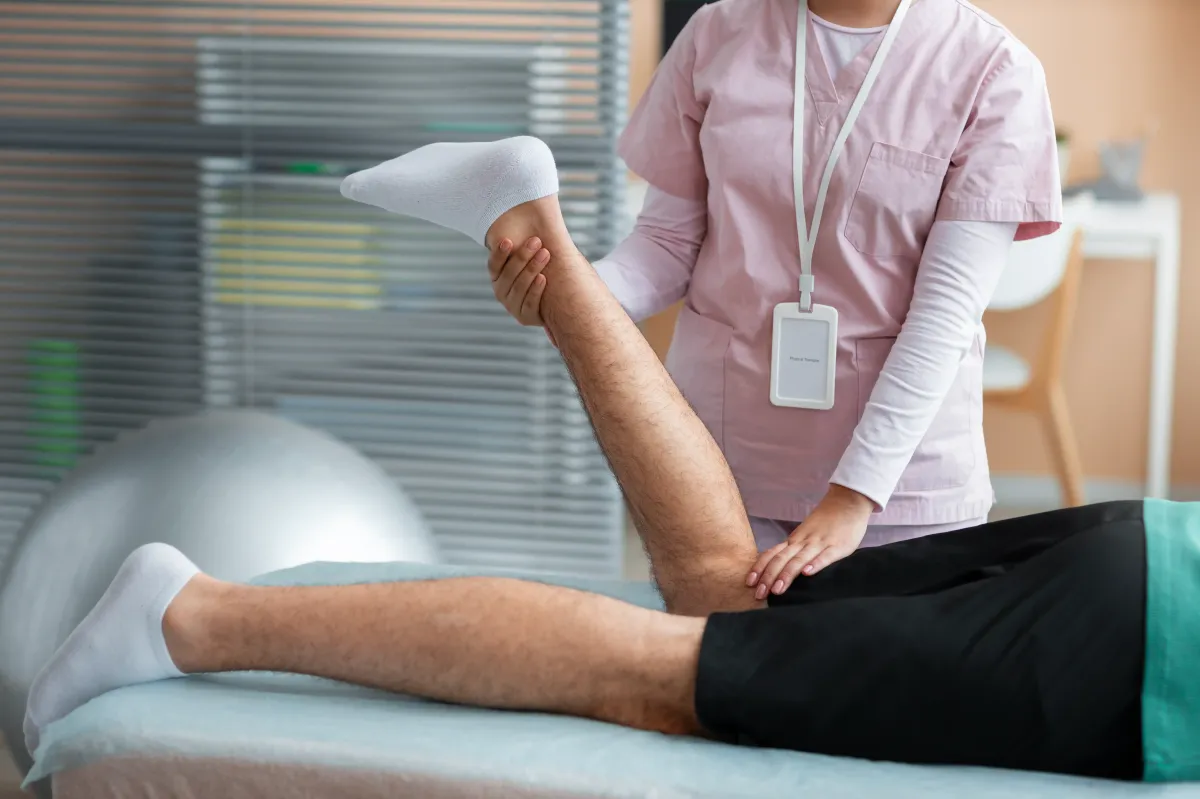
Knee pain can slowly take over everyday life. Walking, climbing stairs, or even sitting too long can start to feel uncomfortable. Whether it began after an injury or developed over time, the goal is the same: reduce pain and get back to moving without hesitation.
Dry needling has become a useful option for many people dealing with knee pain. When used alongside the right rehab plan, it can help ease muscle tension, improve mobility, and support long-term recovery rather than offering short-term relief alone.
Why Knee Pain Happens So Often
The knee is one of the most heavily used joints in the body. It absorbs impact, supports body weight, and helps control movement. Because of this constant demand, it’s more vulnerable to stress and injury than most joints.
Pain doesn’t always come from a single source. It can involve muscles, tendons, ligaments, or the joint itself. In many cases, it’s a combination of factors rather than one clear problem. Common reasons people in NJ experience knee pain include:
Sudden injuries like ligament sprains, meniscus tears, or fractures
Overuse conditions such as runner’s knee or jumper’s knee
Osteoarthritis, which causes joint wear and stiffness over time
Tendon irritation from repetitive movements
Bursitis, where small fluid-filled sacs become inflamed
Muscle tightness or imbalance affecting knee alignment
Extra body weight increasing pressure on the joint
Age-related changes in cartilage and joint mechanics
What’s often overlooked is the role of surrounding muscles. Tight or overactive muscles in the thigh or calf can increase stress on the knee joint. This is where dry needling can make a meaningful difference.
How Dry Needling Targets the Source of Pain
Dry needling focuses on trigger points. These are tight, sensitive areas within muscle tissue that can cause pain, limit movement, and sometimes send discomfort to other parts of the body.
During treatment, a trained provider uses very thin needles to target these points. The goal is to create a small, controlled response in the muscle that helps it relax and function more normally. This process can:
Reduce muscle tension
Improve local blood flow
Decrease pain sensitivity
Restore healthier movement patterns
It’s important to understand that dry needling is not the same as acupuncture. While both use needles, dry needling is based on modern anatomy and focuses directly on muscle and movement issues rather than traditional energy pathways.
When Dry Needling Can Help Knee Pain
Dry needling isn’t for every case, but it can be especially helpful when muscle dysfunction is part of the problem. It’s commonly used for:
Ongoing knee pain where tight muscles are contributing
Knee osteoarthritis with stiffness and limited mobility
Recovery after injury to reduce muscle guarding
Sports-related overuse injuries
Movement issues that place extra stress on the knee
Research has shown that combining dry needling with exercise often leads to better results than exercise alone. Patients tend to see improvements in pain, strength, and overall function. Some also report feeling more confident moving again, which is a key part of recovery.
In clinical settings, this makes sense. If muscles are tight or not working properly, releasing them can reduce pressure on the joint and allow strengthening exercises to be more effective.
What a Session Looks Like
If you’ve never had dry needling before, it’s normal to feel unsure about what to expect. The process is usually quick and straightforward.
A typical session includes:
Identifying tight or sensitive muscle areas
Placing thin needles into specific trigger points
Feeling a brief twitch or mild ache, which is a normal response
Leaving the needles in place for a short period before removal
The needling itself usually takes only a few minutes. Some people notice relief right away, while others feel gradual improvement over a few sessions.
After treatment, mild soreness is common. It often feels similar to post-workout muscle soreness and usually fades within a day or two. Light movement and staying hydrated can help ease this.
Does Dry Needling Actually Work for Knee Pain?
Short answer: it can, when used in the right situation.
Recent studies and clinical experience both point in the same direction. Dry needling tends to work best when knee pain is influenced by muscle tightness, trigger points, or movement dysfunction. In these cases, releasing the muscle can reduce stress on the joint and make other treatments more effective.
Research on people with knee osteoarthritis has shown noticeable reductions in pain after even a single session, with improvements lasting weeks after treatment. In one clinical study, participants reported a significant drop in pain scores within days, and those improvements were still present one month later. When combined with exercise, outcomes tend to be stronger. Patients often see:
Lower pain levels
Better joint function
Increased muscle strength
Improved range of motion
More confidence in daily movement
From a practical standpoint, this matters. When pain decreases, people move more. When they move more, recovery speeds up.
Is Dry Needling Safe?
For most people, dry needling is considered a safe and low-risk treatment when performed by a trained professional.
The needles used are extremely thin, and the procedure is minimally invasive. Serious complications are rare. What you’re more likely to experience are mild, short-term effects such as:
Temporary soreness
Light bruising
A dull ache in the treated area
These usually settle within 24 to 48 hours.
That said, it’s not for everyone. A proper evaluation is important before starting treatment. You should let your provider know if you have:
Bleeding disorders
Sensitivity to needles
Active infections or certain medical conditions
Recent knee surgery
A qualified physical therapist will adjust the treatment plan or recommend alternatives if needed.
How Dry Needling Fits Into a Full Recovery Plan
Dry needling works best when it’s part of a bigger strategy, not used on its own.
At Clifton Physical Therapy, the focus is on fixing the root cause of your knee pain, not just reducing symptoms for a few days. That usually means combining dry needling with other proven treatments. A complete plan may include:
Strengthening exercises to support the knee
Mobility work to improve joint movement
Manual therapy to reduce stiffness
Movement retraining to correct faulty patterns
Guidance on activity and load management
This approach helps your knee function better over time, which is what actually prevents pain from coming back.
What to Do After Your Session
What you do after dry needling can affect how you feel the next day. The goal is to support recovery without overloading the area.
Simple steps that help:
Take it easy for the rest of the day
Avoid intense workouts right after treatment
Stay hydrated
Keep the area moving with light activity
Use ice if soreness shows up
You don’t need complete rest, but pushing too hard too soon can make soreness worse. Most people feel back to normal within a day or two.
Conclusion
Knee pain doesn’t have to control your routine. If muscle tightness or movement issues are part of the problem, dry needling can be a useful tool to help you move more comfortably.
At Clifton Physical Therapy, each plan is built around how your body moves and what’s causing your pain. Dry needling is used when it makes sense, and always combined with the right exercises and hands-on care.
If you’re dealing with ongoing knee pain in NJ, getting evaluated is the first step toward lasting relief. Call (973)-241-1338 to schedule your appointment and find out if dry needling is right for you.
What patients are saying
"I recently had ankle surgery and Clifton PT has been nothing short of amazing! My goal was to get back to playing soccer as quick as possible before the college season started and so far I'm right on track. Izzy, Bianca, Tiff, and John have gone above and beyond to make sure I'm back to 100%. Couldn't be more grateful to be treated by the best team ever!." - Nat Rufino

All the therapists at Clifton Physical Therapy are awesome, but I spend most of my time with Izzy and Bianca—and they’ve been amazing. They’re enthusiastic, knowledgeable, and always take the time to explain what I’m doing and what my issues are. Their positive energy and clear communication make a big difference in my recovery." - Bryan Tompkins
"Going Clifton physical therapy was one of the best thing that came out of my back pain! Every single staff member is amazing and cares for your recovery! I have been with them for the past couple of months and now continuing their workout program! I can’t recommend them enough! Tiffany, Izzy, Bianca and everyone else I have worked with there! Can’t rave about them enough!!." - Monica Mehta
"Clifton Physical Therapy has been a great place for me to heal my meniscus tear. The staff is very knowledgeable and friendly, and has been extremely helpful in guiding me through my recovery. I highly recommend their services.." - Kelly Bevando
Clifton Physical Therapy
✆ Phone (appointments): (973)-241-1338
Address: 1059 Bloomfield Ave, Clifton, NJ 07012
Clifton Physical Therapy | cliftonphysio.com


