
Dry Needling for Hip Pain in NJ
Clifton Physical Therapy
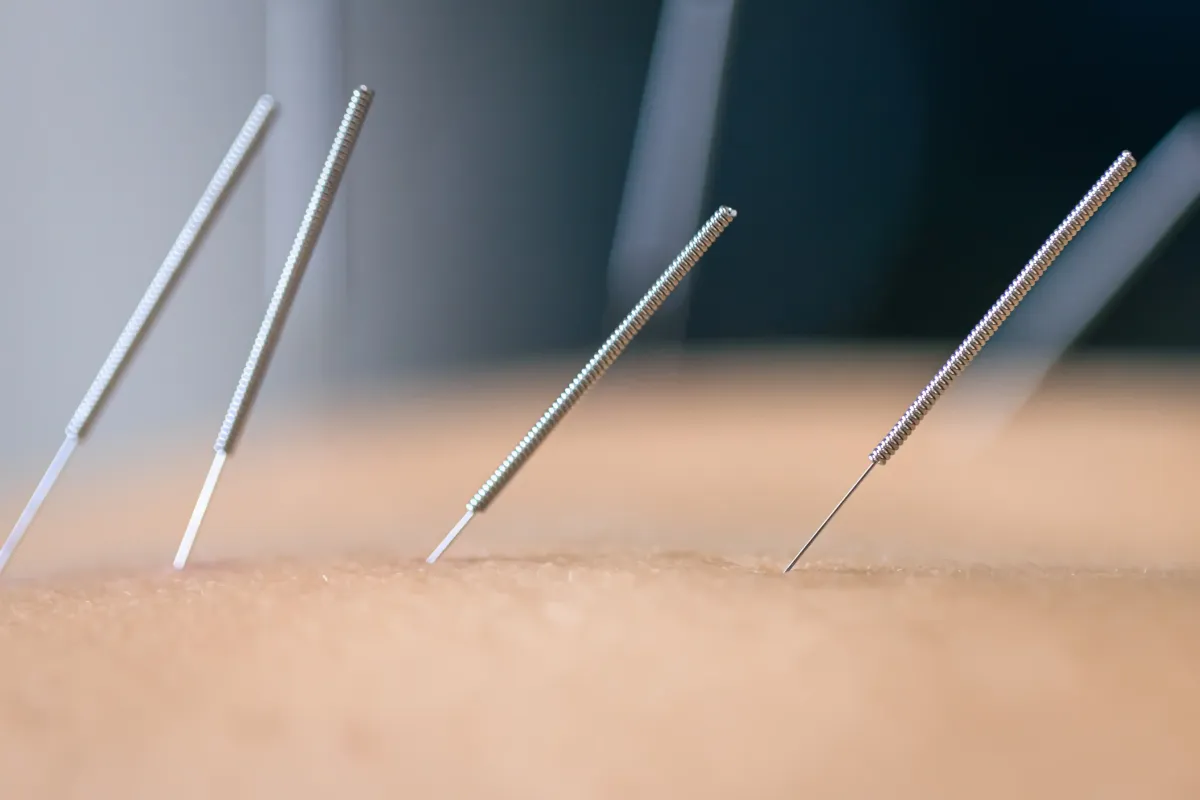
Hip pain can make simple movements feel harder than they should. Walking, climbing stairs, standing from a chair, or getting through a workout may become painful over time. In many cases, the discomfort is not coming from the joint alone. Tight muscles, irritated tendons, movement imbalance, and trigger points around the hip often contribute to ongoing pain and stiffness.
Most patients benefit from treatment one to two times per week for several weeks, followed by a re-evaluation to monitor progress and adjust the plan as needed.
Our providers have extensive experience treating hip pain, muscle dysfunction, and movement-related injuries using evidence-based physical therapy techniques, including dry needling.
What Is Dry Needling?
Dry needling is a modern treatment technique that involves inserting thin, sterile needles into tight or dysfunctional muscles known as trigger points. These trigger points can develop after injury, repetitive strain, poor movement patterns, or prolonged muscle tension. When left untreated, they may contribute to pain, weakness, stiffness, and reduced mobility around the hip.
Unlike acupuncture, which is based on traditional Chinese medicine, dry needling is rooted in anatomy, biomechanics, and neuromuscular science. The goal is to target specific muscles and soft tissues that are contributing to pain and movement restrictions. Dry needling is commonly used to help:
Reduce muscle tightness and spasms
Improve local blood circulation
Decrease pain sensitivity
Restore muscle activation and control
Improve flexibility and hip mobility
Support tissue healing during rehabilitation
How Dry Needling Can Help Different Types of Hip Pain
Hip pain is not always caused by one structure alone. Muscles, tendons, joints, and surrounding connective tissues often work together in a way that creates ongoing irritation. Dry needling helps by targeting the muscular component of hip pain that is frequently overlooked.
Gluteal Tendinopathy and Hip Tendinitis
Conditions involving the gluteal tendons or hip flexor tendons can create pain on the outside or front of the hip. Patients often notice discomfort when walking, climbing stairs, running, or lying on one side. Dry needling may help by:
Releasing tension in the gluteal muscles and hip flexors
Improving circulation around irritated tendons
Reducing overload on painful tissues
Improving muscle coordination during movement
Snapping Hip Syndrome and Runner’s Hip
Some runners and active individuals develop a snapping sensation in the hip caused by tight soft tissues moving over bony structures. This condition may also lead to hip tightness, weakness, and irritation during repetitive activity. Dry needling is often used to address:
Tight iliopsoas muscles
Tensor fasciae latae (TFL) tension
Gluteal muscle imbalance
Overactive hip flexors
Hip Osteoarthritis
Hip arthritis does not only affect the joint itself. Many patients develop muscle guarding and compensation patterns around the hip, pelvis, and lower back. These muscular changes can significantly increase pain and stiffness. Dry needling may help patients with hip osteoarthritis by:
Reducing muscular tightness around the joint
Improving walking tolerance
Increasing hip mobility
Making strengthening exercises more comfortable
Supporting overall physical therapy progress
Research has shown that dry needling may provide short-term improvements in pain and physical function in patients with osteoarthritis when used alongside rehabilitation programs.
Why Dry Needling Works Best with Physical Therapy
Dry needling alone rarely fixes the root cause of hip pain. Muscles often become tight or overactive because of weakness, poor movement patterns, joint stiffness, or repetitive strain. That is why treatment should focus on both symptom relief and long-term correction. Your treatment plan may include:
Strengthening exercises for hip stability
Manual therapy for joint and soft tissue mobility
Balance and movement retraining
Stretching and mobility work
Postural and gait correction
Home exercises to maintain progress
Additional therapies when appropriate, including shockwave therapy or therapeutic ultrasound
Who May Benefit from Dry Needling for Hip Pain?
Dry needling may be appropriate for a wide range of patients experiencing hip-related pain or dysfunction, including:
Runners with overuse injuries
Athletes with hip tightness or muscle imbalance
Adults with arthritis-related stiffness
Individuals with chronic hip tension or trigger points
Patients recovering from repetitive strain injuries
People experiencing pain with walking, sitting, or exercise
What Does a Dry Needling Session for Hip Pain Feel Like?
During treatment, a licensed physical therapist inserts thin needles into specific muscles around the hip and pelvis. Common treatment areas may include the gluteal muscles, hip flexors, piriformis, tensor fasciae latae (TFL), quadriceps, or surrounding stabilizing muscles depending on your symptoms.
Most patients describe the sensation as a mild twitch, cramp, pressure, or temporary ache rather than sharp pain. The muscle response is often a sign that the trigger point is releasing. After treatment, you may notice:
Temporary soreness similar to post-workout muscle fatigue
Improved flexibility or easier movement
Reduced tension in the hip region
Less pain during walking or activity
Is Dry Needling Safe?
When performed by a trained provider, dry needling is considered a safe and effective treatment for many musculoskeletal conditions. At Clifton Physical Therapy, sterile single-use needles are used, and each treatment is customized to the patient’s condition and tolerance level. Minor side effects can include:
Mild soreness
Temporary bruising
Muscle fatigue for 24 to 48 hours
Serious complications are rare when treatment is performed by properly trained clinicians.
What Research Says About Dry Needling for Hip Pain
Recent studies have shown encouraging results for dry needling in patients with musculoskeletal hip conditions, including osteoarthritis and chronic muscle-related pain.
A systematic review evaluating dry needling for osteoarthritis found that patients experienced meaningful short-term improvements in both pain levels and physical function. Researchers noted that dry needling appeared particularly effective when combined with broader rehabilitation strategies such as strengthening exercises and mobility training.
Although more long-term research is still needed, current evidence supports dry needling as a useful tool for reducing muscle-related pain and improving movement in many patients with hip dysfunction.
This matters because hip pain is rarely caused by one issue alone. Joint stiffness, muscle guarding, weakness, and altered movement patterns often develop together. Addressing the muscular component directly may help patients move more comfortably and participate more effectively in physical therapy.
Common Signs You Should Have Your Hip Evaluated
Many people try to push through hip pain until it starts interfering with daily life. Early treatment often leads to faster recovery and better long-term outcomes. You may benefit from an evaluation if you notice:
Pain while walking, running, or climbing stairs
Stiffness after sitting for long periods
Pain on the outside, front, or deep inside the hip
Reduced hip flexibility or range of motion
Snapping or clicking sensations during movement
Difficulty exercising because of hip tightness
Ongoing discomfort that has not improved with rest
If you are dealing with persistent hip pain, stiffness, tendon irritation, or movement limitations, the team at Clifton Physical Therapy can help determine whether dry needling is appropriate for your condition.
Call (973)-241-1338 to schedule an evaluation and start a personalized treatment plan for hip pain relief in New Jersey.
Frequently Asked Questions
How many dry needling sessions are usually needed?
The number of sessions depends on the severity and duration of your condition. Some patients notice improvement within a few visits, while chronic conditions may require a longer treatment plan combined with strengthening and mobility work.
Can dry needling help chronic hip pain?
Yes. Many patients with chronic muscle tension, tendon irritation, arthritis-related stiffness, or movement dysfunction respond well when dry needling is included as part of a comprehensive physical therapy program.
Does dry needling hurt?
Most patients tolerate treatment well. You may feel a quick twitch response or temporary muscle ache during treatment, but the discomfort is usually brief.
Can I exercise after dry needling?
Light movement is often encouraged after treatment. Your physical therapist may recommend specific exercises or temporary activity modifications based on your condition.
Is dry needling the same as acupuncture?
No. Although both use thin needles, dry needling is based on modern anatomy and focuses on treating muscular and neuromuscular dysfunction related to pain and movement problems.
What patients are saying
"I recently had ankle surgery and Clifton PT has been nothing short of amazing! My goal was to get back to playing soccer as quick as possible before the college season started and so far I'm right on track. Izzy, Bianca, Tiff, and John have gone above and beyond to make sure I'm back to 100%. Couldn't be more grateful to be treated by the best team ever!." - Nat Rufino

All the therapists at Clifton Physical Therapy are awesome, but I spend most of my time with Izzy and Bianca—and they’ve been amazing. They’re enthusiastic, knowledgeable, and always take the time to explain what I’m doing and what my issues are. Their positive energy and clear communication make a big difference in my recovery." - Bryan Tompkins
"Going Clifton physical therapy was one of the best thing that came out of my back pain! Every single staff member is amazing and cares for your recovery! I have been with them for the past couple of months and now continuing their workout program! I can’t recommend them enough! Tiffany, Izzy, Bianca and everyone else I have worked with there! Can’t rave about them enough!!." - Monica Mehta
"Clifton Physical Therapy has been a great place for me to heal my meniscus tear. The staff is very knowledgeable and friendly, and has been extremely helpful in guiding me through my recovery. I highly recommend their services.." - Kelly Bevando
Clifton Physical Therapy
✆ Phone (appointments): (973)-241-1338
Address: 1059 Bloomfield Ave, Clifton, NJ 07012


