
Dry Needling for Frozen Shoulder in NJ
Manhattan Physical Therapy
Why Does Frozen Shoulder Become So Limiting?
Frozen shoulder, medically known as adhesive capsulitis, is a condition that causes progressive pain, stiffness, and loss of movement in the shoulder joint. Many people first notice difficulty reaching overhead, fastening a seatbelt, putting on a jacket, or sleeping comfortably on the affected side. Over time, even simple daily tasks can become frustrating.
The condition develops when the connective tissue surrounding the shoulder joint becomes inflamed and tight. As the capsule thickens, scar tissue and adhesions restrict movement inside the joint. This often leads to muscle guarding around the shoulder, where nearby muscles tighten in response to pain and limited motion. Frozen shoulder typically progresses through three phases:
The Painful Phase
Pain gradually increases, especially during movement or at night. Many patients begin avoiding shoulder movement because of discomfort, which can further increase stiffness.
The Stiffness Phase
Pain may become less severe, but mobility loss becomes more noticeable. Reaching overhead, rotating the arm outward, or reaching behind the back often becomes extremely difficult.
The Recovery Phase
Movement slowly begins returning, although recovery can take many months without proper treatment and rehabilitation. Several factors may increase the risk of developing frozen shoulder, including:
Rotator cuff injuries
Shoulder surgery or prolonged immobilization
Diabetes
Thyroid disorders
Postural dysfunction
Hormonal changes
Previous shoulder inflammation
Reduced shoulder use after an injury
People between 40 and 60 years old are affected most often, and women tend to develop frozen shoulder more frequently than men.
What Is Dry Needling and How Does It Help Frozen Shoulder?
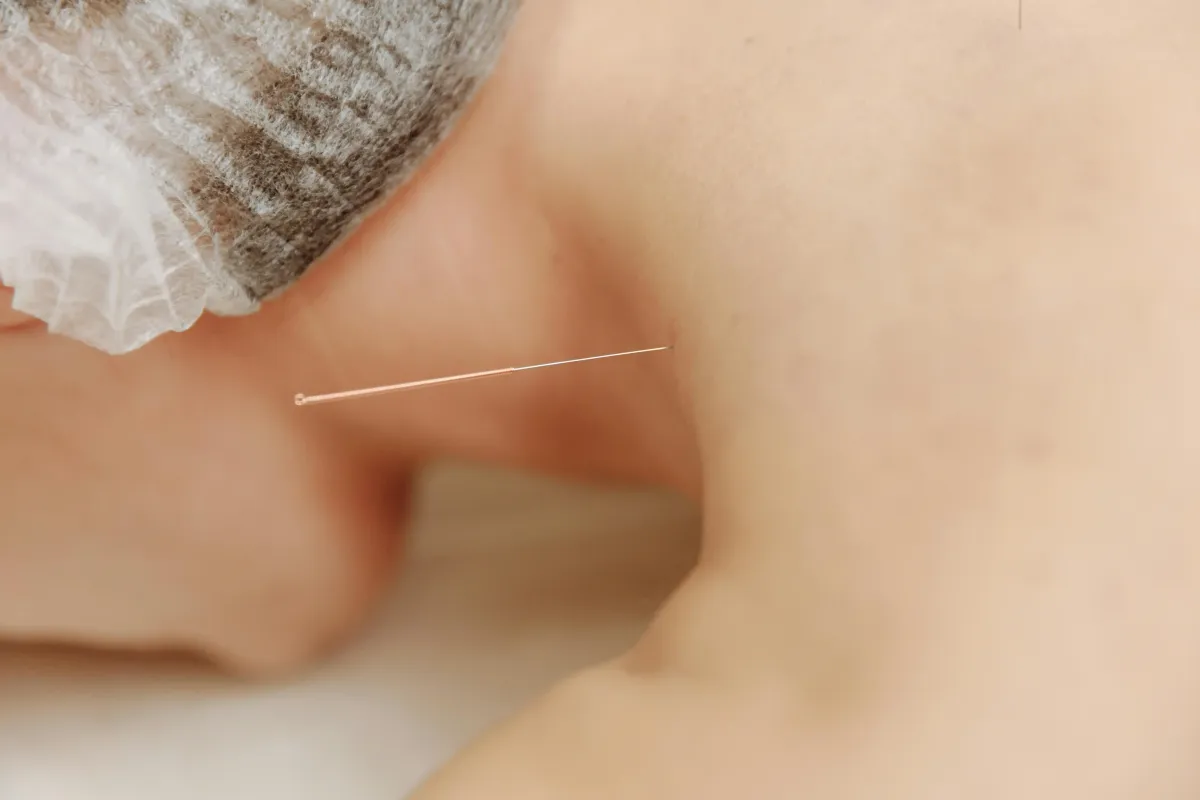
Dry needling is a modern treatment technique used by physical therapists to reduce muscle tension, improve mobility, and relieve pain. The treatment involves inserting thin, sterile needles into tight muscles and trigger points surrounding the shoulder.
Although dry needling and acupuncture both use thin needles, they are based on different treatment approaches. Acupuncture originates from traditional Chinese medicine and focuses on energy flow throughout the body. Dry needling is based on anatomy, biomechanics, and neuromuscular science.
The goal of dry needling is to restore normal muscle function and reduce irritation within overactive or restricted tissues. For patients with frozen shoulder, dry needling often targets muscles such as:
Subscapularis
Infraspinatus
Upper trapezius
Pectoral muscles
Rotator cuff muscles
By releasing muscular tension, dry needling may help:
Improve shoulder mobility
Reduce muscle guarding
Decrease pain during movement
Improve tolerance to stretching and exercise
Restore more normal movement patterns
Reduce stress on surrounding tissues
How Can Dry Needling Improve Shoulder Mobility?
Frozen shoulder is not only a joint problem. It also affects the muscles and nervous system surrounding the shoulder. As pain increases, the body naturally tightens nearby muscles to protect the joint. Unfortunately, this protective response can create additional stiffness and movement restriction. Dry needling helps address this muscular component of frozen shoulder.
Releasing Tight Trigger Points
Trigger points are sensitive knots within tight muscle fibers that can cause pain, weakness, and restricted movement. When a needle is inserted into these areas, the muscle may briefly twitch before relaxing. This response can help decrease tension and improve muscle function.
Reducing Muscle Guarding
Protective muscle tightness is common in frozen shoulder. Over time, the shoulder muscles become overactive and resist movement, even during rehabilitation exercises. Dry needling may help calm these muscles so patients can move the shoulder more comfortably.
Improving Movement Tolerance
As muscle tension decreases, patients are often better able to tolerate stretching and strengthening exercises. This can improve movements such as:
Reaching overhead
Reaching behind the back
Lifting objects
Rotating the arm outward
Sleeping more comfortably
Supporting Recovery During Physical Therapy
Dry needling works best as part of a complete rehabilitation program rather than as a stand-alone treatment. At Clifton Physical Therapy, dry needling is commonly combined with:
Manual therapy
Joint mobilization
Stretching exercises
Mobility training
Rotator cuff strengthening
Postural correction
Home exercise programs
What Happens During a Dry Needling Session?
Many first-time patients feel nervous before trying dry needling, especially if they have never experienced needle-based treatment before. In most cases, the procedure is quick and well tolerated.
Treatment begins with a detailed evaluation of the shoulder, posture, movement limitations, and muscle tightness. Your physical therapist identifies the muscles contributing to pain and stiffness before selecting the treatment areas. During the session:
Thin sterile needles are inserted into specific muscles around the shoulder
You may feel a brief twitch response, pressure sensation, or deep ache
The needles may remain in place briefly depending on the treatment approach
Treatment is often followed by stretching or mobility exercises
After treatment, mild soreness similar to post-workout muscle soreness is normal and usually fades within 24 to 48 hours. Some patients notice immediate improvements in mobility, while others experience more gradual progress over several sessions. Because frozen shoulder varies from person to person, treatment plans are customized based on:
Stage of frozen shoulder
Pain severity
Range of motion limitations
Daily activity restrictions
Previous injuries or surgeries
Overall health and medical history
Who Is a Good Candidate for Dry Needling for Frozen Shoulder?
Dry needling can be helpful for many people dealing with shoulder stiffness, pain, and restricted movement, especially when muscular tightness is slowing recovery. You may benefit from dry needling if you:
Struggle to reach overhead or behind your back
Experience shoulder pain at night
Feel sharp pain when rotating or lifting the arm
Notice significant stiffness despite stretching
Have plateaued with traditional therapy alone
Developed shoulder tightness after surgery or immobilization
Want to avoid more invasive treatment options when possible
Many patients in New Jersey seek treatment after months of trying to “push through” the pain. Unfortunately, prolonged stiffness often causes the surrounding muscles to tighten even more, making recovery harder over time. Dry needling may also help individuals recovering from:
Rotator cuff injuries
Shoulder impingement
Tendinitis
Post-surgical stiffness
Chronic shoulder pain
Muscle guarding around the shoulder blade and upper back
Not every patient with frozen shoulder requires dry needling. A proper evaluation is important to determine whether muscular trigger points are contributing to the problem and whether this treatment fits your condition safely.
Can Dry Needling Speed Up Recovery from Frozen Shoulder?
Frozen shoulder has a reputation for being stubborn. Even with treatment, recovery may take several months because the condition affects both the joint capsule and the surrounding muscles.
One of the biggest challenges during recovery is that painful muscles continue resisting movement long after the initial inflammation begins settling down. Patients often become trapped in a cycle where pain limits movement, and reduced movement creates even more stiffness.
Dry needling may help interrupt that cycle. By reducing muscular tension and improving movement tolerance, patients are often able to:
Stretch more comfortably
Progress strengthening exercises sooner
Improve daily movement with less pain
Regain mobility more efficiently
Return to work and recreational activities faster
Many patients notice gradual improvements in:
Overhead reaching
External shoulder rotation
Sleeping comfort
Dressing and grooming activities
Shoulder relaxation during movement
It is important to understand that dry needling is not a stand-alone cure for frozen shoulder. The best results usually happen when treatment is combined with physical therapy focused on restoring mobility, strength, posture, and joint mechanics.
Why Physical Therapy Matters Alongside Dry Needling
Although dry needling can reduce muscular tightness, frozen shoulder recovery also requires improving how the shoulder joint moves and functions overall. A comprehensive rehabilitation program may include several components.
Hands-On Manual Therapy
Joint mobilization techniques can help improve capsular mobility while reducing stiffness inside the shoulder joint itself. These techniques are especially useful when movement loss becomes severe.
Mobility and Stretching Exercises
Specific exercises target the motions commonly restricted with frozen shoulder, including:
External rotation
Flexion
Abduction
Behind-the-back reaching
Strengthening Exercises
As mobility improves, strengthening becomes essential to restore shoulder stability and movement control. Therapy often focuses on:
Rotator cuff muscles
Shoulder blade stabilizers
Postural muscles
Upper back strength
Postural Correction
Poor posture can place additional stress on the shoulder and surrounding muscles. Improving spinal alignment and shoulder positioning often reduces strain during movement.
Home Exercise Programs
Recovery does not happen only during clinic visits. Patients are typically given personalized home exercises to continue improving flexibility and strength between sessions.
What Does Recovery Usually Look Like?
Every frozen shoulder case progresses differently. Some patients improve within several months, while others experience longer recovery timelines depending on how severe the stiffness became before treatment started. Several factors influence recovery, including:
How long symptoms have been present
Severity of stiffness
Pain sensitivity
Overall health
Consistency with therapy
Previous shoulder injuries or surgeries
In most cases:
Early treatment leads to better outcomes
Regular movement is better than complete rest
Gentle mobility work is usually more effective than forcing painful stretches
Gradual progress is more realistic than overnight improvement
Many patients first notice improvement during everyday activities rather than during exercise itself. Examples include:
Reaching shelves more comfortably
Sleeping with less pain
Putting on clothing more easily
Lifting the arm higher overhead
Driving with less discomfort
When Should You Seek Treatment?
Many people wait too long before seeking help for frozen shoulder. Because symptoms develop gradually, patients often assume the condition will improve on its own.
While some frozen shoulder cases eventually improve naturally, the process can take more than a year and may still leave lingering stiffness and weakness. You should consider evaluation if:
Shoulder pain lasts longer than several weeks
Your range of motion continues decreasing
Daily activities become difficult
Night pain interrupts sleep
Stretching alone is not helping
You notice increasing weakness or guarding
If frozen shoulder is making everyday movement difficult, call Clifton Physical Therapy at (973)-241-1338 to schedule an evaluation and discuss whether dry needling may be appropriate for your recovery.
What patients are saying
"I recently had ankle surgery and Clifton PT has been nothing short of amazing! My goal was to get back to playing soccer as quick as possible before the college season started and so far I'm right on track. Izzy, Bianca, Tiff, and John have gone above and beyond to make sure I'm back to 100%. Couldn't be more grateful to be treated by the best team ever!." - Nat Rufino

All the therapists at Clifton Physical Therapy are awesome, but I spend most of my time with Izzy and Bianca—and they’ve been amazing. They’re enthusiastic, knowledgeable, and always take the time to explain what I’m doing and what my issues are. Their positive energy and clear communication make a big difference in my recovery." - Bryan Tompkins
"Going Clifton physical therapy was one of the best thing that came out of my back pain! Every single staff member is amazing and cares for your recovery! I have been with them for the past couple of months and now continuing their workout program! I can’t recommend them enough! Tiffany, Izzy, Bianca and everyone else I have worked with there! Can’t rave about them enough!!." - Monica Mehta
"Clifton Physical Therapy has been a great place for me to heal my meniscus tear. The staff is very knowledgeable and friendly, and has been extremely helpful in guiding me through my recovery. I highly recommend their services.." - Kelly Bevando
Clifton Physical Therapy
✆ Phone (appointments): (973)-241-1338
Address: 1059 Bloomfield Ave, Clifton, NJ 07012


