Acupuncture for Spinal Stenosis Pain in NJ
Clifton Physical Therapy
What Happens in Spinal Stenosis and Why It Hurts
Spinal stenosis develops when the space inside the spine becomes tighter than it should be. This narrowing puts pressure on the spinal cord and nearby nerves, which leads to pain and changes in how your body moves.
Most people experience it in the lower back, though it can also affect the neck. What makes this condition frustrating is how it shows up in daily life. You may feel fine sitting down, but the moment you stand or walk, discomfort builds. Common signs include:
Lower back or neck pain that worsens with standing or walking
Relief when leaning forward, sitting, or resting
Tingling or numbness in the legs, feet, or arms
Weakness that affects balance
Trouble walking even short distances
These symptoms often progress slowly. Over time, simple activities like grocery shopping or standing in line can become difficult. Sleep may also be disrupted, especially if nerve irritation increases at night.
Why Spinal Stenosis Develops Over Time
In most cases, spinal stenosis is not caused by a single injury. It is usually the result of gradual changes in the spine.
As we age, the structures that support the spine begin to shift. Discs lose hydration, joints become arthritic, and ligaments may thicken. Together, these changes reduce the space available for nerves. Common contributing factors include:
Degenerative arthritis leading to bone spurs
Bulging or herniated discs pressing into nerve space
Thickened spinal ligaments
Previous injuries or surgeries
Conditions like osteoporosis that weaken bone structure
Because multiple factors are often involved, proper diagnosis is important. Imaging such as MRI or X-rays helps confirm whether spinal stenosis is the true source of your symptoms before starting treatment.
How Acupuncture Supports Relief Without Surgery
Acupuncture is often used as part of a non-surgical plan to manage spinal stenosis symptoms. It does not reverse the structural narrowing, but it can help control how your body responds to it.
Modern research suggests acupuncture works through several mechanisms, particularly in chronic pain conditions involving nerve irritation. Here’s how it can help:
Eases pain naturally
Acupuncture stimulates the release of endorphins and other natural chemicals that reduce pain perception. This can help with both localized back pain and radiating nerve discomfort.
Reduces inflammation around nerves
Inflammation can make nerve compression feel worse. Studies have shown acupuncture may help regulate inflammatory responses, which can decrease irritation in affected areas.
Improves blood flow to tight tissues
Better circulation helps deliver oxygen and nutrients to muscles and soft tissues around the spine. This can reduce stiffness and support recovery.
Relieves muscle tension
When the spine is irritated, nearby muscles often tighten to protect the area. This added tension can increase discomfort. Acupuncture helps release that tightness, allowing for smoother movement.
Calms the nervous system
Chronic pain can make the nervous system more sensitive. Acupuncture may help regulate these signals, which can improve overall comfort and reduce pain flare-ups.
What Research Shows About Acupuncture for Spinal Stenosis
Evidence around acupuncture for spinal stenosis is still developing, but current findings are promising. Clinical studies on chronic low back pain and lumbar spinal stenosis have found that acupuncture can:
Reduce pain intensity
Improve walking tolerance
Enhance overall function and mobility
Some randomized controlled trials comparing true acupuncture to placebo treatments show better outcomes in patients receiving real acupuncture, especially when sessions are done consistently over time.
Systematic reviews also suggest that acupuncture may be more effective when combined with other treatments like physical therapy rather than used on its own.
What to Expect During Your Acupuncture Visits
If you’re new to acupuncture, the process is usually straightforward and tailored to your symptoms.
Your first visit focuses on understanding how spinal stenosis affects your daily life. This includes discussing your pain pattern, walking tolerance, posture, and any nerve-related symptoms like tingling or weakness. A typical session involves:
A brief check-in on your current pain and mobility
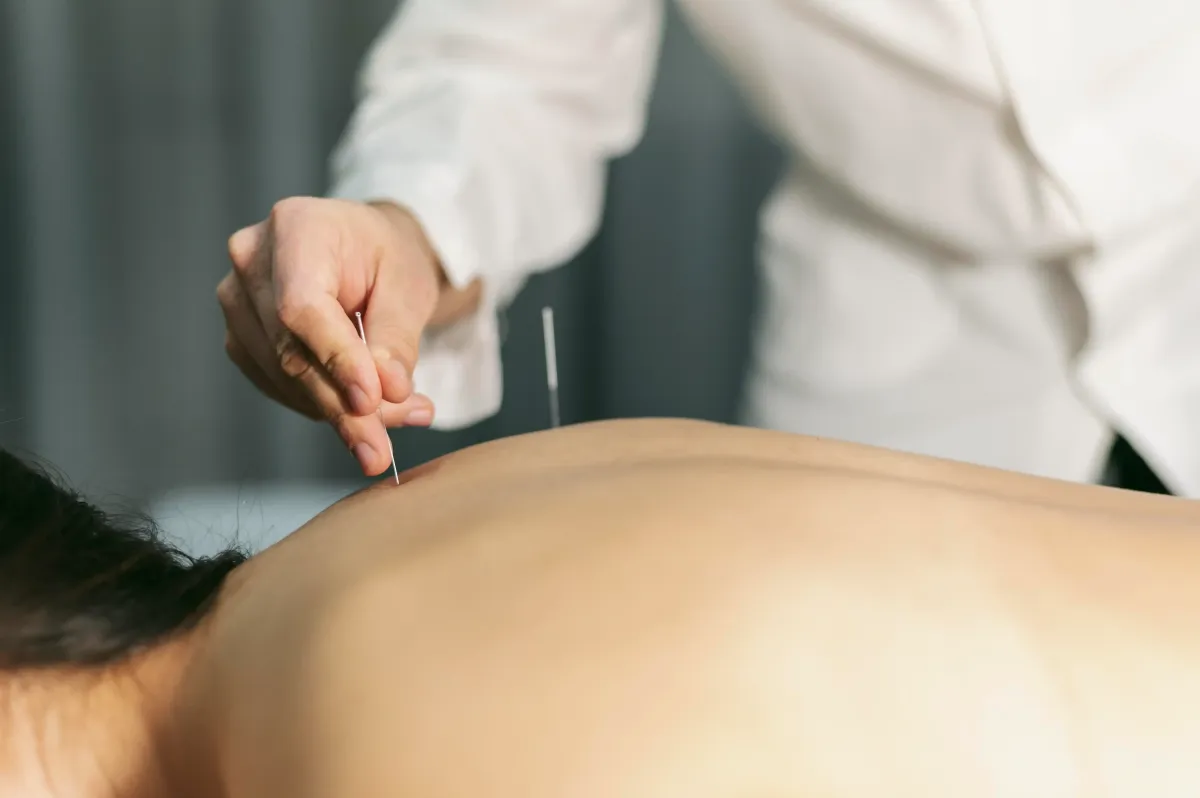
Placement of very thin, sterile needles at specific points
A resting period of about 20 to 30 minutes
Adjustments based on how your body responds over time
Most people feel minimal discomfort when the needles are placed. Some describe a light pressure or dull ache, while others barely notice it. It’s common to feel relaxed during treatment, and some patients even fall asleep.
How Acupuncture Fits With Other Treatment Options
Spinal stenosis often responds best to a combination of treatments rather than a single approach. Acupuncture works well as part of a broader plan focused on improving function and reducing pain. Here’s how it compares to other common options:
Medication
Pain relievers and anti-inflammatory drugs can provide short-term relief, but they don’t address movement limitations or muscle dysfunction. Long-term use may also come with side effects.
Physical therapy
This is a key part of non-surgical care. It focuses on strengthening, flexibility, and posture. Acupuncture can make physical therapy more effective by lowering pain, so you can move more comfortably.
Injections
Steroid injections may help reduce inflammation quickly, but results are often temporary. They are typically used for more intense flare-ups.
Surgical care
In more advanced cases, surgery may be recommended to relieve nerve pressure. However, many patients explore conservative options first to avoid or delay it.
Acupuncture does not replace these treatments. Instead, it complements them by improving pain control and helping you stay active throughout your recovery.
When Acupuncture Makes Sense for Spinal Stenosis
Not every case of spinal stenosis requires the same approach. Acupuncture is often a good option when symptoms are persistent but manageable without surgery. You may benefit if:
Back or leg pain is limiting your daily activities
Standing or walking triggers discomfort
You want to reduce reliance on medication
You’re trying to avoid or delay surgery
Other conservative treatments haven’t given enough relief
It tends to work best in moderate cases, where symptoms affect quality of life but are not rapidly worsening.
That said, some symptoms require immediate medical attention. Seek urgent care if you notice:
Loss of bowel or bladder control
Severe or rapidly worsening weakness
Numbness in the groin or inner thigh area
These could indicate more serious nerve involvement and should be evaluated right away.
Combining Acupuncture With a Broader Recovery Plan
Spinal stenosis affects more than just the spine. It involves muscles, joints, and the nervous system, which is why a combined approach often works better. Acupuncture can be paired with:
Physical therapy programs
Targeted exercises improve strength, posture, and flexibility, while acupuncture helps manage pain so you can stay consistent.
Manual therapy or massage
These techniques reduce muscle tightness and improve circulation around the spine.
Low-impact activity
Walking, stretching, or guided exercise helps maintain mobility without overloading the spine.
Lifestyle changes
Small adjustments like improving posture, managing body weight, and modifying daily activities can reduce strain on the spine over time.
When these elements are combined, patients often see more stable and longer-lasting improvements.
How Long It Takes to Notice Improvement
Recovery timelines vary because spinal stenosis affects everyone differently.
Several factors influence how quickly you respond:
How narrow the spinal canal has become
How long symptoms have been present
Your overall health and activity level
Consistency with treatment
In general:
Some people notice early changes within the first few sessions
More consistent relief often develops over a few weeks
Long-term management may include occasional maintenance visits
The goal is not just short-term relief, but helping you move better and stay active with less pain.
If pain is limiting your movement or keeping you from staying active, it may be time to explore a different approach. Call (973)-241-1338 to schedule an evaluation and find out if acupuncture at Clifton Physical Therapy is the right fit for you.
What patients are saying
"I recently had ankle surgery and Clifton PT has been nothing short of amazing! My goal was to get back to playing soccer as quick as possible before the college season started and so far I'm right on track. Izzy, Bianca, Tiff, and John have gone above and beyond to make sure I'm back to 100%. Couldn't be more grateful to be treated by the best team ever!." - Nat Rufino

All the therapists at Clifton Physical Therapy are awesome, but I spend most of my time with Izzy and Bianca—and they’ve been amazing. They’re enthusiastic, knowledgeable, and always take the time to explain what I’m doing and what my issues are. Their positive energy and clear communication make a big difference in my recovery." - Bryan Tompkins
"Going Clifton physical therapy was one of the best thing that came out of my back pain! Every single staff member is amazing and cares for your recovery! I have been with them for the past couple of months and now continuing their workout program! I can’t recommend them enough! Tiffany, Izzy, Bianca and everyone else I have worked with there! Can’t rave about them enough!!." - Monica Mehta
"Clifton Physical Therapy has been a great place for me to heal my meniscus tear. The staff is very knowledgeable and friendly, and has been extremely helpful in guiding me through my recovery. I highly recommend their services.." - Kelly Bevando
Clifton Physical Therapy
✆ Phone (appointments): (973)-241-1338
Address: 1059 Bloomfield Ave, Clifton, NJ 07012


