
Acupuncture for Plantar Fasciitis in NJ
Clifton Physical Therapy
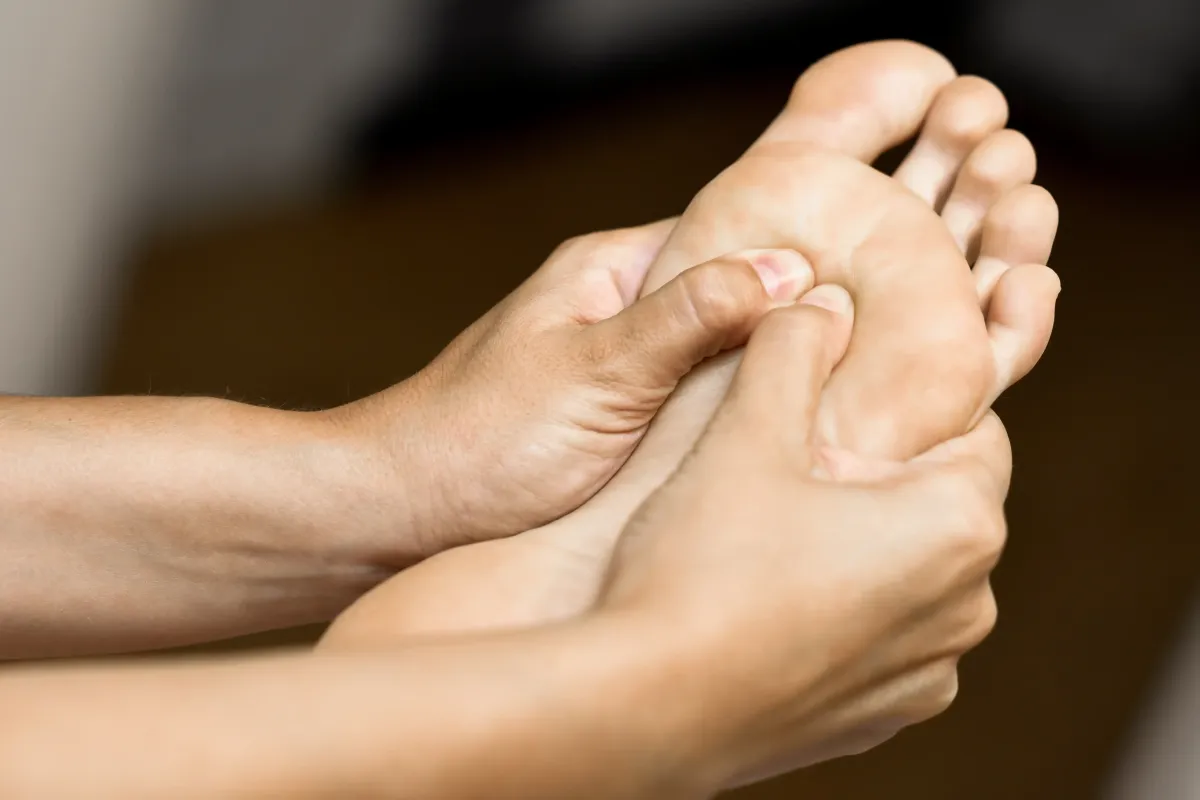
Why Heel Pain Develops in Plantar Fasciitis
Heel pain is one of the most common foot complaints seen in clinics, and plantar fasciitis is usually the reason behind it. The condition develops when the plantar fascia, a strong band of connective tissue under the foot, is placed under repeated stress.
This tissue plays a key role in absorbing shock and supporting the arch. Every step you take places load through it. When that load becomes excessive, small micro-tears can develop. Over time, these tiny injuries trigger irritation, stiffness, and pain.
Patients often describe a sharp, localized pain at the bottom of the heel. It is usually most noticeable with the first few steps in the morning or after sitting for a while. The pain may ease slightly as you move, but it often returns after long periods of standing or activity.
Epidemiological studies estimate that nearly 10% of people will experience plantar fasciitis at some point. It is especially common in runners, healthcare workers, retail employees, and anyone who spends long hours on their feet in New Jersey and similar urban environments. Several contributing factors increase the likelihood of developing this condition:
Repetitive impact from running or sports
Standing on hard surfaces for extended hours
Tight calf muscles limiting ankle mobility
Flat feet or high arches altering load distribution
Unsupportive footwear
Sudden increases in activity level
Higher body weight placing more stress on the foot
Imaging studies have also shown that while heel spurs are often present, they are not usually the main source of pain. The discomfort is more closely linked to degeneration and irritation of the fascia itself rather than the bony growth.
Common Signs That Point to Plantar Fascia Irritation
Symptoms tend to build gradually. Many people ignore early warning signs until the pain starts interfering with daily movement.
The most consistent symptom is a sharp or stabbing pain at the heel. It is typically worst during the first steps after getting out of bed. This happens because the fascia tightens overnight and is suddenly stretched when you stand.
Another key pattern is pain after rest. Sitting for long periods, then standing up, can recreate that same sharp discomfort. This is one of the hallmark features clinicians look for during evaluation.
Unlike muscle strains that hurt during activity, plantar fasciitis often behaves differently. The pain may not peak while you are moving but instead worsen afterward. This delayed response is a useful clue. Other symptoms include:
Tightness along the arch of the foot
Tenderness when pressing on the heel
Reduced ankle flexibility due to calf tightness
Subtle changes in walking pattern to avoid pressure
Occasional radiating discomfort into the arch
Research in musculoskeletal medicine also highlights the role of myofascial trigger points. Tight areas in the calf muscles, particularly the gastrocnemius and soleus, can refer pain into the heel. This can make symptoms feel worse or more widespread than the actual tissue injury.
Can Acupuncture Actually Reduce Heel Pain?
Acupuncture has gained attention as a non-invasive option for managing chronic foot pain, including plantar fasciitis.
While it comes from traditional Chinese medicine, modern research has started to explain how it works in clinical terms.
Randomized controlled trials have shown that acupuncture can reduce heel pain, particularly in the short to medium term. A number of studies report improvements in pain scores using tools like the Visual Analog Scale (VAS) and the Foot Function Index.
One systematic review found that patients receiving acupuncture experienced greater pain relief compared to standard care alone over a period of 4 to 8 weeks. Another controlled study showed that targeting specific distal points, including those in the hand, led to meaningful reductions in heel pain intensity.
There is also evidence suggesting that acupuncture may improve functional outcomes. Patients often report better walking tolerance, reduced morning stiffness, and improved daily activity levels after a course of treatment.
From a safety standpoint, acupuncture is considered low-risk when performed by trained professionals. Compared to repeated use of anti-inflammatory medications or injections, it avoids many of the side effects associated with those treatments.
What Happens in the Body During Acupuncture Treatment
Acupuncture is not just about placing needles in the skin. It triggers a series of biological responses that can influence pain, inflammation, and tissue healing.
One of the most studied effects is the release of natural pain-relieving chemicals. When needles stimulate sensory nerves, the body increases production of endorphins and enkephalins. These chemicals help reduce how strongly pain signals are perceived.
Another important mechanism involves local circulation. Research shows that acupuncture promotes the release of adenosine, a compound with anti-inflammatory properties. This helps improve blood flow in the affected area, which supports tissue repair.
Inflammation control is another key factor. Studies suggest that acupuncture can modulate inflammatory pathways by reducing certain cytokines involved in chronic irritation. This is particularly relevant in plantar fasciitis, where low-grade inflammation contributes to ongoing pain.
There is also evidence that acupuncture stimulates fibroblast activity. These are the cells responsible for producing collagen, which is essential for repairing micro-damage in connective tissue like the plantar fascia.
Muscle relaxation plays a major role as well. Tight calf muscles increase tension through the heel. By targeting these areas, acupuncture can reduce muscle stiffness, improve ankle mobility, and decrease the mechanical load placed on the fascia.
How Many Sessions Are Typically Needed for Noticeable Relief?
The number of acupuncture sessions varies depending on how long the symptoms have been present and how severe the condition is.
For most patients, a short course of care is recommended first. This often involves one to two sessions per week over a period of four to six weeks. Clinical studies on plantar heel pain show that measurable improvements commonly begin within this window, especially when treatment is consistent.
Patients with newer symptoms sometimes feel relief after just a few visits. In contrast, long-standing cases may take longer because the tissue has been under stress for a greater period and the nervous system has become more sensitive to pain.
Each session is relatively straightforward. Very thin needles are placed in selected areas around the foot, ankle, and lower leg. In some cases, points in the hand or forearm are also used based on how pain pathways are mapped.
Sessions typically last between 15 and 30 minutes. Most patients report a mild sensation such as warmth, tingling, or light pressure rather than pain. Many also notice that the foot feels looser or less stiff immediately afterward.
Which Muscles and Trigger Points Are Usually Addressed?
Plantar fasciitis is not always just a local foot issue. In many cases, the problem is influenced by tightness higher up in the lower leg.
The calf muscles, especially the gastrocnemius and soleus, play a major role in how force is transferred through the foot. When these muscles are tight, they limit ankle mobility and increase strain on the plantar fascia.
Another important structure is the quadratus plantae, a small muscle on the bottom of the foot that helps stabilize movement. Dysfunction here can add to stress along the arch and heel. Acupuncture treatment often focuses on these key areas to:
Reduce muscle tightness
Release trigger points that refer pain to the heel
Improve local blood flow
Normalize how force is distributed through the foot
Research on myofascial pain supports this approach. Studies have shown that treating trigger points can significantly reduce referred pain and improve functional movement patterns.
Why Combining Acupuncture with Physical Therapy Improves Outcomes
While acupuncture can be effective for pain relief, it does not fully correct the mechanical causes behind plantar fasciitis. That is where physical therapy becomes essential.
Most cases of plantar fasciitis develop because of underlying issues such as poor foot mechanics, limited ankle mobility, or muscle imbalances. If these are not addressed, pain often comes back. Physical therapy focuses on fixing those root causes. A structured program may include:
Targeted stretching for the calf and plantar fascia
Strengthening exercises for foot and ankle stability
Balance and control training
Gait and movement correction
Hands-on techniques to improve joint mobility
Research consistently shows that combining manual therapy with exercise leads to better long-term outcomes compared to passive treatments alone.
Acupuncture fits into this plan by making it easier to participate in rehab. When pain is reduced, patients can move more comfortably and perform exercises more effectively.
What Other Treatment Options Are Available?
Most people with plantar fasciitis improve without surgery, especially when treatment starts early and stays consistent.
Initial care usually focuses on simple, low-risk strategies such as:
Reducing activities that aggravate the heel
Applying ice to control pain
Performing daily stretching routines
Wearing supportive footwear
Using over-the-counter orthotics
Trying night splints to keep the fascia stretched
These approaches are supported by clinical guidelines and are often effective in the early stages.
Some patients also use medications like acetaminophen or non-steroidal anti-inflammatory drugs (NSAIDs). While these can help with pain, they do not address the underlying cause and are not ideal for long-term use due to potential side effects. If symptoms persist, additional treatments may be considered:
Structured physical therapy programs
Corticosteroid injections for short-term relief
Platelet-rich plasma (PRP) therapy to support healing
Extracorporeal shockwave therapy for chronic cases
Surgery is rarely needed and is typically reserved for cases that do not respond to several months of conservative care. Even then, recovery can take time and requires rehabilitation.
Because of this, many patients look for non-invasive options like acupuncture earlier in the process to avoid more aggressive interventions.
When Is It Time to Get Professional Help for Heel Pain?
Not all foot pain needs medical attention, but persistent heel pain is different. Ignoring it can lead to longer recovery times and changes in how you walk. You should consider a professional evaluation if:
Pain lasts longer than a few weeks
Walking or standing becomes uncomfortable
Symptoms continue to worsen
Morning pain is severe or consistent
Home remedies are no longer helping
At Clifton Physical Therapy, care plans are designed around the individual. The focus is not just on reducing pain, but on restoring movement, improving strength, and preventing future flare-ups. Acupuncture may be included when it fits the patient’s needs and goals.
If heel pain is affecting your daily routine, getting the right treatment can make a meaningful difference. Call (973)-241-1338 to schedule an evaluation and explore options for plantar fasciitis treatment in Clifton, NJ.
What patients are saying
"I recently had ankle surgery and Clifton PT has been nothing short of amazing! My goal was to get back to playing soccer as quick as possible before the college season started and so far I'm right on track. Izzy, Bianca, Tiff, and John have gone above and beyond to make sure I'm back to 100%. Couldn't be more grateful to be treated by the best team ever!." - Nat Rufino

All the therapists at Clifton Physical Therapy are awesome, but I spend most of my time with Izzy and Bianca—and they’ve been amazing. They’re enthusiastic, knowledgeable, and always take the time to explain what I’m doing and what my issues are. Their positive energy and clear communication make a big difference in my recovery." - Bryan Tompkins
"Going Clifton physical therapy was one of the best thing that came out of my back pain! Every single staff member is amazing and cares for your recovery! I have been with them for the past couple of months and now continuing their workout program! I can’t recommend them enough! Tiffany, Izzy, Bianca and everyone else I have worked with there! Can’t rave about them enough!!." - Monica Mehta
"Clifton Physical Therapy has been a great place for me to heal my meniscus tear. The staff is very knowledgeable and friendly, and has been extremely helpful in guiding me through my recovery. I highly recommend their services.." - Kelly Bevando
Clifton Physical Therapy
✆ Phone (appointments): (973)-241-1338
Address: 1059 Bloomfield Ave, Clifton, NJ 07012


