Acupuncture for Herniated Disc Pain in NJ
Clifton Physical Therapy
How a Herniated Disc Leads to Pain and Nerve Symptoms
A herniated disc develops when one of the soft, cushion-like discs between the spinal bones becomes damaged and bulges outward. These discs are designed to absorb shock and allow smooth movement, but when the outer layer weakens, the inner gel-like material can push through.
The problem starts when that bulge presses on nearby nerves. This pressure can trigger inflammation, disrupt normal nerve signals, and lead to pain that travels beyond the spine.
In the lower back, this often shows up as pain that radiates down the leg. In the neck, symptoms may travel into the shoulder, arm, or hand. What surprises many people is that the pain is not always felt where the disc injury is located. Instead, it follows the path of the affected nerve.
Research published in spine and neurology journals shows that nerve compression combined with inflammation is the main driver of symptoms, not just the structural disc issue itself. That is why two people with similar imaging results can experience very different levels of pain.
What Causes Disc Injuries in the First Place
Most herniated discs are not caused by a single event. They usually develop over time as the spine goes through gradual wear and tear.
As we age, spinal discs lose water content and elasticity. This process, known as disc degeneration, makes them more vulnerable to small tears. Once weakened, even a minor movement can trigger a herniation. Common contributing factors include:
Repeated bending or twisting
Sitting for long hours with poor posture
Lifting heavy objects without proper technique
Sudden strain from sports or physical activity
Previous back or neck injuries
Studies have shown that people between 30 and 50 are more likely to experience disc herniation because their discs are starting to degenerate while they remain physically active.
There is also evidence linking weak core and spinal stabilizing muscles to a higher risk of disc injury. When these muscles do not properly support the spine, more stress is placed on the discs during everyday movement.
Recognizing the Signs Based on Disc Location
Symptoms can vary depending on which part of the spine is affected and how much pressure is placed on nearby nerves.
Lower Back (Lumbar Spine)
Pain that travels from the lower back into the buttock and leg
Tingling or numbness in the leg or foot
Muscle weakness, especially when walking or standing
Pain that worsens with sitting or bending
This type of nerve pain is often called sciatica. It occurs when the sciatic nerve becomes irritated or compressed.
Neck (Cervical Spine)
Pain that spreads into the shoulder or arm
Tingling sensations in the fingers
Weak grip strength or arm fatigue
More severe cases may affect coordination or cause difficulty lifting the front of the foot, which can change the way a person walks.
Clinical research suggests that inflammation around the nerve root plays a major role in symptom severity. Even a small disc bulge can cause significant pain if inflammation is present.
The Role of Acupuncture in Managing Disc-Related Pain
Acupuncture has gained attention as a non-surgical option for managing pain related to herniated discs. While it has roots in traditional medicine, modern studies provide insight into how it works from a physiological standpoint. When fine needles are placed at specific points, several things happen in the body:
Blood flow increases in targeted areas, which helps deliver oxygen and nutrients to injured tissues
The nervous system releases endorphins and other natural chemicals that reduce pain perception
Muscle tension decreases, especially in the deep spinal muscles
Inflammatory markers around irritated nerves may be reduced
A number of randomized controlled trials have found that acupuncture can significantly reduce both back and leg pain in patients with lumbar disc herniation. Some studies report improvements comparable to standard physical therapy in the short term, with better sustained relief over time.
Imaging-based research has also shown changes in key stabilizing muscles such as the multifidus and erector spinae after acupuncture treatment. These muscles are critical for spinal support, and their dysfunction is often linked to chronic pain.
Patients often choose acupuncture because it does not rely on medication and can be integrated into a broader rehabilitation plan. At Clifton Physical Therapy, it is often combined with targeted exercise and movement therapy to address both pain and the underlying cause.
What to Expect During an Acupuncture Visit
If you have never tried acupuncture before, it is normal to feel unsure about what the session involves. The process is straightforward and designed to be as comfortable as possible.
The first visit usually begins with a detailed assessment. This includes a discussion about your symptoms, daily activities, posture, and any previous injuries. The goal is to understand not just where the pain is, but why it is happening.
Once the evaluation is complete, the practitioner selects specific points based on your condition. These points may be located near the spine, but also in the arms, legs, or even hands. This approach is based on how the nervous system and muscle chains are connected.
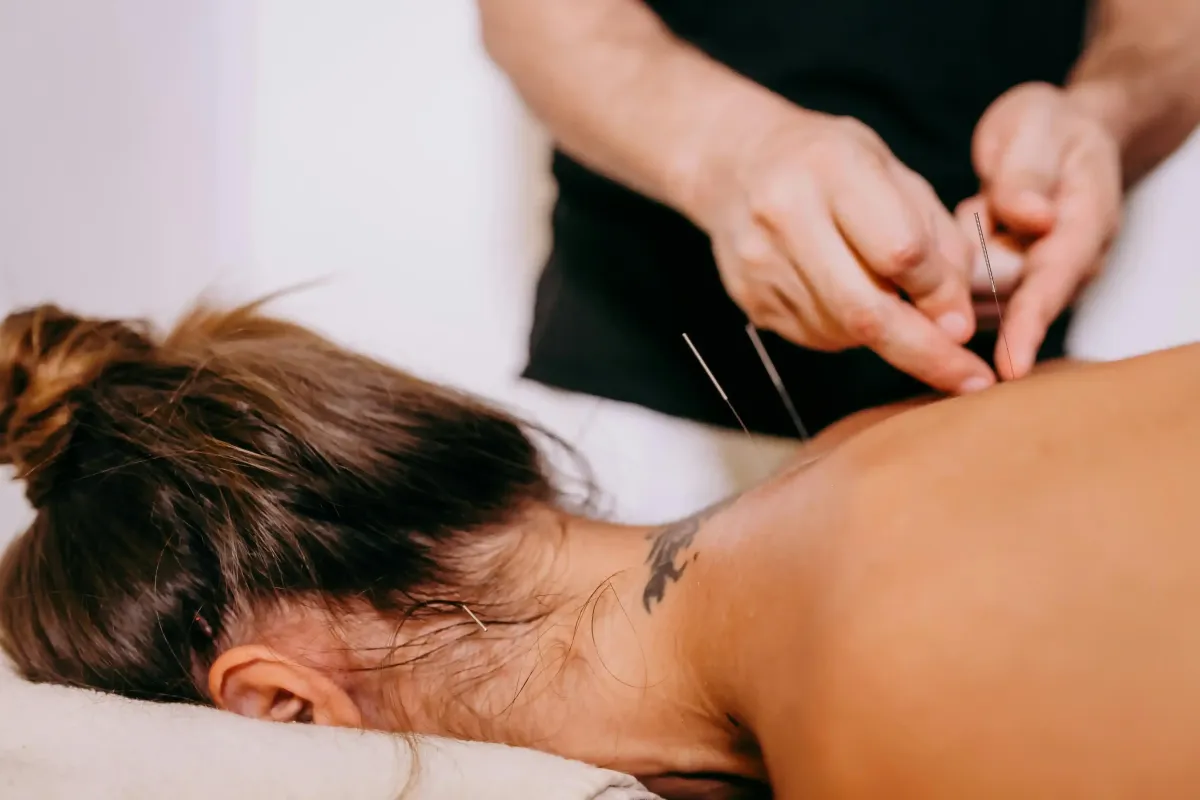
Very thin, sterile needles are gently inserted into these points. Most people feel little more than a slight sensation, such as tingling, warmth, or a dull ache. These responses are often a sign that the body is reacting to the stimulation.
The needles are typically left in place for 15 to 25 minutes. During this time, patients usually lie still and relaxed. Some even fall asleep during the session. In certain cases, additional techniques may be used, including:
Gentle electrical stimulation (electroacupuncture)
Heat therapy to improve circulation
Light manual techniques to reduce muscle tension
The goal is not only to ease pain but also to calm irritated nerves and improve how the surrounding muscles function.
What Research Says About Acupuncture for Disc Herniation
Over the past decade, there has been a steady increase in research examining acupuncture for spinal conditions, including herniated discs.
Several randomized controlled trials have found that acupuncture can reduce pain intensity and improve mobility in people with both lumbar and cervical disc issues. In some studies, patients reported meaningful pain relief after just a few sessions, with continued improvement over several weeks.
One notable finding across multiple studies is acupuncture’s effect on spinal stabilizing muscles. Imaging research has shown:
Increased activation of deep core muscles like the multifidus
Reduction in fatty infiltration within paraspinal muscles
Improved muscle symmetry and function
These changes matter because weak or poorly functioning spinal muscles are strongly linked to ongoing back pain.
Systematic reviews have also suggested that acupuncture may help regulate inflammatory markers in the body. Lower levels of inflammation around compressed nerves can translate into reduced pain and better movement.
Another key takeaway from research is long-term benefit. While treatments like medication may provide temporary relief, acupuncture appears to support more sustained improvements when used consistently as part of a treatment plan.
That said, outcomes can vary depending on the severity of the disc injury, overall health, and whether other therapies are included.
Why Combining Treatments Often Works Better
Acupuncture can be effective on its own, but it tends to work best when combined with other conservative treatments that address the root cause of the problem.
A well-rounded plan focuses on reducing nerve irritation while also improving how the body moves and supports the spine. Common therapies that pair well with acupuncture include:
Physical Therapy
Mobility and Stretching Work
Manual Therapy
Posture Training
Heat and Ice Therapy
Research supports this combined approach. Studies on multidisciplinary care show better outcomes in pain reduction and function compared to single-treatment methods alone.
Can Acupuncture Help Reduce Future Flare-Ups
While acupuncture cannot reverse the structural damage inside a disc, it may help create a better environment for recovery and long-term spine health.
By improving blood flow, reducing muscle tension, and supporting nerve function, acupuncture can help the body move more efficiently. This reduces unnecessary strain on vulnerable areas of the spine.
There is also evidence that acupuncture may enhance neuromuscular control. In simple terms, it helps the brain and muscles communicate more effectively. This can improve stability and reduce the likelihood of repeated injury.
Long-term prevention still depends heavily on daily habits. Patients who see the best results usually combine treatment with lifestyle changes such as:
Staying physically active with low-impact exercise
Maintaining proper posture during work and daily activities
Using safe lifting techniques
Strengthening core and back muscles regularly
Avoiding prolonged sitting without breaks
When It Is Time to Seek Professional Care
Some herniated discs improve gradually with rest and basic care. However, certain symptoms suggest that professional treatment may be needed. You should consider getting evaluated if you notice:
Pain that lasts longer than a few weeks
Pain traveling into the arm or leg
Persistent numbness or tingling
Muscle weakness
Difficulty with everyday activities due to pain
If disc-related pain is limiting your daily life, a structured treatment plan can help you move forward with more confidence. At Clifton Physical Therapy, acupuncture is often integrated with targeted rehabilitation to reduce pain, improve mobility, and support long-term recovery.
Call us at (973)-241-1338 to schedule your appointment and take the first step toward lasting relief.
What patients are saying
"I recently had ankle surgery and Clifton PT has been nothing short of amazing! My goal was to get back to playing soccer as quick as possible before the college season started and so far I'm right on track. Izzy, Bianca, Tiff, and John have gone above and beyond to make sure I'm back to 100%. Couldn't be more grateful to be treated by the best team ever!." - Nat Rufino

All the therapists at Clifton Physical Therapy are awesome, but I spend most of my time with Izzy and Bianca—and they’ve been amazing. They’re enthusiastic, knowledgeable, and always take the time to explain what I’m doing and what my issues are. Their positive energy and clear communication make a big difference in my recovery." - Bryan Tompkins
"Going Clifton physical therapy was one of the best thing that came out of my back pain! Every single staff member is amazing and cares for your recovery! I have been with them for the past couple of months and now continuing their workout program! I can’t recommend them enough! Tiffany, Izzy, Bianca and everyone else I have worked with there! Can’t rave about them enough!!." - Monica Mehta
"Clifton Physical Therapy has been a great place for me to heal my meniscus tear. The staff is very knowledgeable and friendly, and has been extremely helpful in guiding me through my recovery. I highly recommend their services.." - Kelly Bevando
Clifton Physical Therapy
✆ Phone (appointments): (973)-241-1338
Address: 1059 Bloomfield Ave, Clifton, NJ 07012


