Acupuncture for Gluteus Medius Pain in NJ
Clifton Physical Therapy
A sore spot on the outside of your hip or upper buttock can be surprisingly persistent. You may notice it when climbing stairs, walking longer distances, standing on one leg, or lying on the painful side at night. Sometimes the discomfort feels like it is coming from the hip itself, while other times it spreads toward the lower back or buttock.
The gluteus medius is one muscle that can be involved in this pattern of pain. It works every time you take a step, helping keep your pelvis level while your body moves over one leg. When the muscle becomes irritated, overloaded, weak, or develops sensitive trigger points, ordinary movements can become uncomfortable.
What Is the Gluteus Medius?
The gluteus medius is one of the three major muscles of the buttocks. It sits on the outer surface of the pelvis and attaches to the upper part of the femur at the greater trochanter, the bony prominence you can feel on the outside of your hip.
Its most important job is hip and pelvic stability. The muscle helps move the leg away from the body's midline, known as hip abduction, while different parts of the muscle also contribute to hip rotation.
You use the gluteus medius during much more than exercise. It helps control the pelvis while walking, running, climbing stairs, getting out of a chair, and standing on one leg. If it is not doing its job well, other muscles around the hip and lower back may have to compensate.
This is one reason gluteus medius pain does not always stay in one precise spot. A problem involving the muscle can be associated with pain around the buttock, outer hip, pelvis, sacroiliac region, or lower back.
What Causes Gluteus Medius Pain?
There is rarely one universal cause. The muscle can become painful after a sudden injury, but symptoms can also build gradually when the muscle is repeatedly asked to handle more load than it can tolerate. Common contributors include:
Overuse
A sudden fall or impact
Muscle weakness
Prolonged sitting
Changes in training
Tendon problems
Trigger points
The last point is important. Not every case of buttock or outer-hip pain is a gluteus medius problem. Similar symptoms can occur with conditions involving the lumbar spine, hip joint, tendons, bursae, or nerves. That is why treating the painful area without identifying the source can sometimes provide only temporary relief.
What Does Gluteus Medius Pain Feel Like?
The symptoms vary from person to person, but several patterns are common.
You may feel an aching or sharp pain in the outer hip or upper buttock, particularly during weight-bearing activities. Some people notice discomfort when climbing stairs or getting up from a chair. Others have difficulty sleeping on the affected side.
When sensitive trigger points are involved, pressing on the muscle may reproduce familiar pain or cause discomfort to spread toward the lower back, pelvic area, or buttock. Symptoms can also become more noticeable after prolonged standing, running, walking, or maintaining a single-leg position.
Weakness is another clue. If the gluteus medius cannot adequately stabilize the pelvis, the opposite side of the pelvis may drop during single-leg activities. A physical therapist can assess this movement rather than relying on pain location alone.
It is also worth remembering that pain around the buttock does not automatically mean a "tight glute." Deep gluteal conditions, lumbar problems, hip disorders, and nerve-related pain can produce overlapping symptoms.
How Can Acupuncture Help Gluteus Medius Pain?
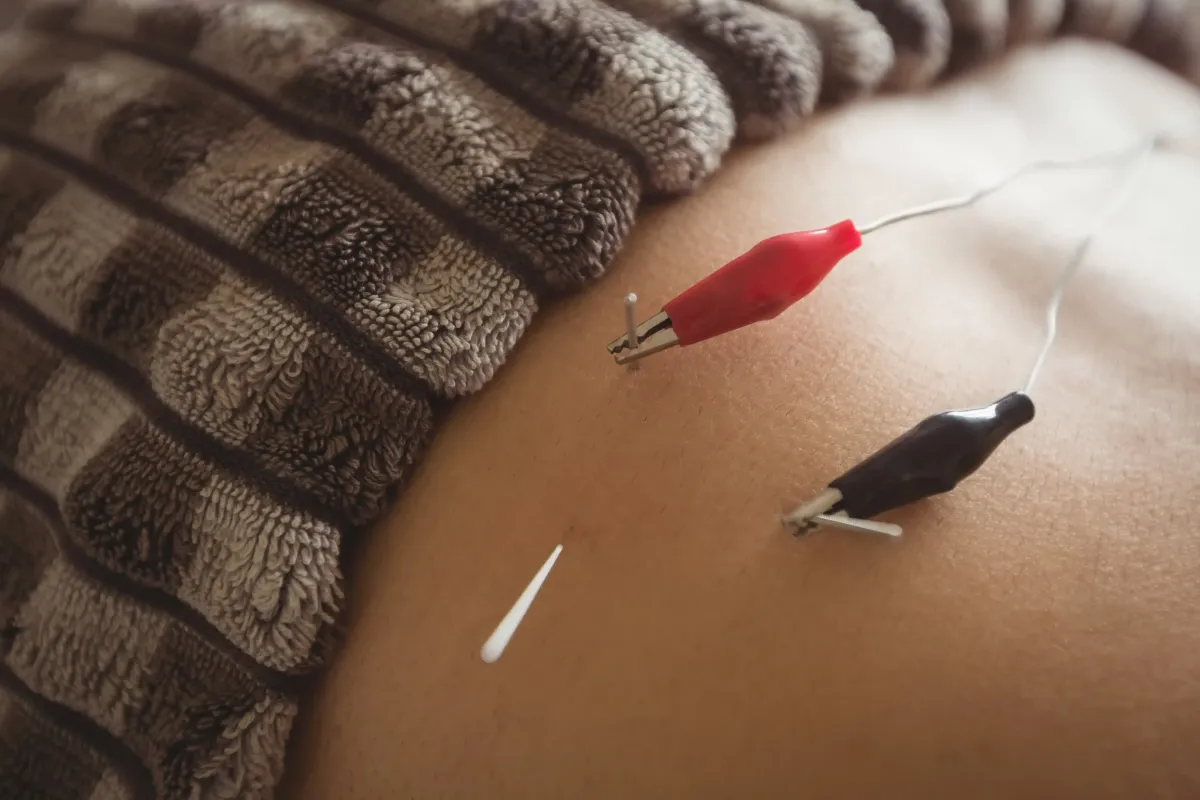
Acupuncture uses thin, sterile needles placed at selected points to influence pain and muscle function. When muscular trigger points are part of the problem, needling may be directed toward relevant tissues rather than treating pain as an isolated symptom.
Research specifically examining acupuncture for isolated gluteus medius pain is limited. However, evidence from related conditions is encouraging. A 2022 systematic review and meta-analysis of randomized trials found that acupuncture was associated with reductions in pain and functional limitations in people with nonspecific chronic low back pain, although the authors noted important differences among the studies and limitations in the evidence.
That does not mean acupuncture is a guaranteed solution for every person with gluteus medius pain. It is better viewed as one possible tool within an individualized treatment plan. Depending on the findings of an evaluation, treatment may also involve therapeutic exercise, hip strengthening, movement retraining, activity modification, or other physical therapy techniques.
What Happens During Acupuncture Treatment?
Treatment usually begins with a discussion of your symptoms, activity level, previous injuries, and what movements make the pain better or worse. Your provider may also examine your hip and lower back, check strength and movement, and assess whether the gluteus medius is reproducing your familiar pain.
If acupuncture is appropriate, very thin sterile needles are placed at selected acupuncture points. Depending on the treatment approach, some needles may be positioned near painful or tight muscle tissue.
The sensation varies. Some people feel little more than a brief prick, while others notice a dull ache, pressure, or a brief twitch in a muscle. Mild soreness afterward can occur, particularly when muscular trigger points are treated.
Treatment is not simply about chasing the most painful spot. The surrounding hip and pelvic muscles may also need attention if they are contributing to the problem.
Acupuncture vs. Dry Needling for Gluteus Medius Pain
Acupuncture and dry needling both use very thin needles, but they are not identical techniques.
Acupuncture is generally based on stimulating specific acupuncture points as part of an individualized treatment approach. Dry needling is commonly used in physical therapy to target myofascial trigger points and areas of muscular tension.
The distinction matters when looking at research. A 2022 randomized clinical trial studied 80 people with nonspecific low back pain and gluteus medius trigger points. Forty participants received one session of dry needling, while another 40 received ischemic compression. Pain, pressure pain threshold, range of motion, and quality of life were assessed immediately, at 48 hours, and at one week.
The dry-needling group showed improvements in several of these measures, suggesting that directly treating gluteus medius trigger points may have short-term benefits for some patients. However, this study should not be interpreted as evidence that acupuncture and dry needling are interchangeable.
What Other Treatments May Help?
Needling is rarely the whole treatment plan for a persistent hip problem.
If weakness or poor movement control is contributing to your symptoms, strengthening the hip abductors may be important. Exercises can include side-lying leg raises, bridges, controlled squats, step-ups, and other movements selected according to your strength and tolerance.
Your treatment may also involve:
Hip and pelvic strengthening
Movement and gait assessment
Activity modification
Manual therapy when appropriate
Gradual return to running, sports, or exercise
Treatment of contributing lower-back or hip problems
Education about positions or activities that aggravate symptoms
Research on acupuncture for related musculoskeletal pain supports this broader approach. A 2022 systematic review and meta-analysis of five randomized trials found that acupuncture used alongside standard treatment produced a mean reduction in self-reported pain of 1.04 points after treatment compared with standard care alone, with benefits also reported at intermediate follow-up. The review focused on nonspecific chronic low back pain, not isolated gluteus medius pain, so these findings should be applied cautiously.
When Should You See a Physical Therapist?
Consider an evaluation if your pain keeps returning, interferes with walking or exercise, makes it difficult to sleep on one side, or does not improve after reducing the activity that aggravated it.
An evaluation is particularly useful when you are unsure whether the pain is actually coming from the gluteus medius. Outer-hip and buttock pain can overlap with several conditions, and treating the wrong structure can delay recovery.
You should also seek medical evaluation promptly if buttock or hip pain is accompanied by significant leg weakness, progressive numbness, loss of bladder or bowel control, fever, unexplained weight loss, or severe pain following major trauma.
For less urgent but persistent symptoms, a physical therapist can help determine whether the gluteus medius is involved and whether acupuncture, dry needling, exercise, or a combination of treatments makes sense for your situation.
Call (973) 241-1338 to schedule an evaluation and discuss whether acupuncture may be appropriate for your hip or buttock pain.
Clifton Physical Therapy
✆ Phone (appointments): (973)-241-1338
Address: 1059 Bloomfield Ave, Clifton, NJ 07012


