
Acupuncture for Carpal Tunnel Syndrome in NJ
Clifton Physical Therapy
What Is Carpal Tunnel Syndrome and Why Does It Cause Pain?
Carpal tunnel syndrome (CTS) is a common nerve condition that affects the hand and wrist. It develops when the median nerve gets compressed as it passes through a narrow space in the wrist called the carpal tunnel.
This pressure disrupts normal nerve function, leading to symptoms such as:
Tingling or “pins and needles” in the fingers
Numbness, especially at night or in the morning
Weak grip strength
Pain that may travel up the forearm
CTS often builds up over time. Repetitive hand movements like typing, using tools, or even prolonged phone use can contribute. Certain health conditions, including diabetes, arthritis, or hormonal changes, may also increase the risk.
What Are the Treatments for Carpal Tunnel Syndrome?
Most people don’t need surgery right away. Treatment usually starts with conservative options aimed at reducing pressure on the nerve and calming inflammation. Common approaches include:
1. Wrist Splints
Wearing a splint, especially at night, helps keep the wrist in a neutral position and reduces nerve compression.
2. Medications
Nonsteroidal anti-inflammatory drugs (NSAIDs) or corticosteroid injections may be used to reduce swelling and pain.
3. Physical Therapy
Targeted exercises can improve wrist mobility, strengthen surrounding muscles, and relieve tension on the nerve.
4. Activity Modifications
Adjusting how you work or perform daily tasks can prevent further irritation. Simple ergonomic changes often make a big difference.
5. Surgery (for severe cases)
If symptoms persist or worsen, a procedure called carpal tunnel release may be recommended to relieve pressure on the nerve.
How Can Acupuncture Help with Carpal Tunnel Syndrome?
Acupuncture is increasingly used as a complementary therapy for CTS, especially in mild to moderate cases.
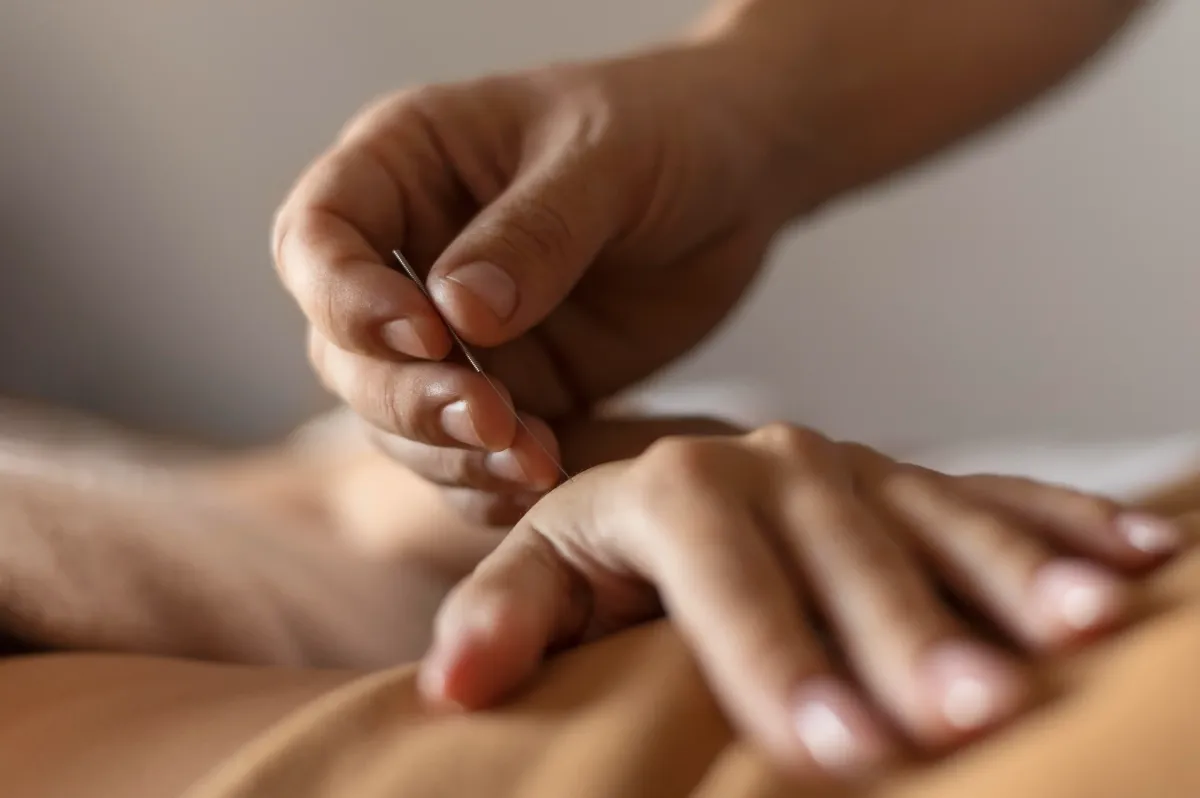
It involves placing very thin needles into specific points on the body to stimulate natural healing responses. While rooted in traditional Chinese medicine, modern research suggests several practical benefits:
Pain relief
Reduced inflammation
Improved blood flow
Nerve function support
Patients often report reduced tingling, less numbness, and improved hand strength after a series of sessions.
What Does the Research Say About Acupuncture for CTS?
The evidence is promising, but not definitive.
Several clinical studies have explored how acupuncture affects carpal tunnel symptoms:
A 2020 study found that patients who received acupuncture for four weeks experienced noticeable improvements in pain, numbness, and weakness. Some benefits lasted for months after treatment.
A 2021 systematic review reported that acupuncture may help reduce symptoms in mild-to-moderate cases, especially when combined with other treatments.
A meta-analysis of 16 trials (2022) concluded that acupuncture can be helpful as an adjunct therapy, particularly for pain relief. However, the overall quality of evidence was rated as low to moderate.
There’s also interesting research using MRI scans showing that acupuncture may influence how the brain responds to pain and improve nerve signaling.
What does this mean for you?
Acupuncture can be a useful option if:
You prefer a non-drug approach
You haven’t responded well to medications
You want to avoid or delay surgery
What Happens During an Acupuncture Session for CTS?
If you’ve never tried acupuncture before, the process is usually simple and low-stress.
Your first visit typically starts with a brief evaluation. The practitioner will ask about your symptoms, daily activities, and any underlying conditions. They may also check your wrist movement, grip strength, and areas of tenderness. During the session:
You’ll sit or lie in a comfortable position
Thin, sterile needles are inserted into specific points around the wrist, forearm, and sometimes other areas of the body
The needles are placed just beneath the skin, usually about a few millimeters deep
They remain in place for 15 to 30 minutes
Most people feel little to no pain. You might notice a mild tingling, warmth, or pressure sensation, which is normal.
Some sessions also include gentle needle adjustments or stimulation to enhance the effect. Afterward, the needles are removed, and you can return to normal activities right away.
Which Acupuncture Points Are Used for Carpal Tunnel Syndrome?
Treatment is not one-size-fits-all. Points are selected based on your symptoms and how your body responds. However, some commonly used areas include:
PC-6 (Neiguan): Located on the inner forearm, often used to reduce wrist pain and improve circulation
PC-7 (Daling): Near the wrist crease, frequently targeted for relieving nerve compression symptoms
LI-4 (Hegu): Found between the thumb and index finger, widely used for pain relief
HT-7 (Shenmen): Helps calm the nervous system and may reduce discomfort
LU-9 (Taiyuan): Supports blood flow and reduces inflammation in the wrist
These points are chosen to improve blood flow, reduce inflammation, and support nerve function. In many cases, needles are placed on both arms, even if symptoms are on one side.
How Many Acupuncture Sessions Do You Need?
There’s no fixed number that works for everyone.
For most people with mild to moderate CTS:
Treatment may start with 1–2 sessions per week
A typical plan can range from 6 to 12 sessions
Some patients notice early relief within a few visits, while others need more time
Consistency matters. Acupuncture tends to work best when done regularly over several weeks.
What Are the Benefits of Acupuncture for CTS?
Many patients choose acupuncture because it offers a different approach compared to medications or surgery.
Some of the key benefits include:
Non-invasive treatment with no downtime
Drug-free pain relief, which is helpful if you want to avoid medications
Reduced inflammation in the wrist and surrounding tissues
Improved hand function and grip strength over time
Whole-body effects, such as better sleep and reduced stress
Is Acupuncture Safe for Carpal Tunnel Syndrome?
When performed by a trained professional, acupuncture is generally very safe.
Side effects, if they occur, are usually mild and temporary:
Slight soreness at the needle site
Minor bruising
Occasional dizziness or fatigue
Serious complications are rare, especially when sterile, single-use needles are used.
Before starting treatment, it’s important to let your provider know if you:
Have a bleeding disorder
Take blood thinners
Are pregnant
Have any chronic medical conditions
Working with a qualified practitioner ensures that the treatment is both safe and effective.
Can Acupuncture Cure Carpal Tunnel Syndrome?
This is a common question, and it’s important to set realistic expectations. Acupuncture does not cure carpal tunnel syndrome. It does not physically remove the pressure on the nerve. What it can do is:
Reduce pain and discomfort
Improve nerve function
Help you manage symptoms more effectively
For some patients, this relief can last for months. For others, it may need to be maintained with ongoing care.
How to Get Long-Term Relief from CTS
Acupuncture works best when it’s part of a broader plan. To maintain results and prevent symptoms from returning:
Follow a guided exercise program to strengthen your wrist and hand
Make ergonomic adjustments at work or home
Take regular breaks from repetitive activities
Use wrist support when needed
Stay consistent with follow-up care
Managing CTS is not about a quick fix. It’s about reducing strain on the nerve and supporting long-term recovery.
When Should You Consider Acupuncture for CTS?
You may want to consider acupuncture if:
Your symptoms are mild to moderate
You prefer a non-surgical option
Medications haven’t worked well for you
You’re looking for a more natural approach to pain relief
At Clifton Physical Therapy, we create personalized treatment plans that may include acupuncture, targeted exercises, and hands-on therapy to address the root cause of your symptoms.
Ready to get relief from carpal tunnel symptoms without relying on medication or surgery? Call Clifton Physical Therapy at (973)-241-1338 to schedule your consultation and find out if acupuncture is right for you.
What patients are saying
"I recently had ankle surgery and Clifton PT has been nothing short of amazing! My goal was to get back to playing soccer as quick as possible before the college season started and so far I'm right on track. Izzy, Bianca, Tiff, and John have gone above and beyond to make sure I'm back to 100%. Couldn't be more grateful to be treated by the best team ever!." - Nat Rufino

All the therapists at Clifton Physical Therapy are awesome, but I spend most of my time with Izzy and Bianca—and they’ve been amazing. They’re enthusiastic, knowledgeable, and always take the time to explain what I’m doing and what my issues are. Their positive energy and clear communication make a big difference in my recovery." - Bryan Tompkins
"Going Clifton physical therapy was one of the best thing that came out of my back pain! Every single staff member is amazing and cares for your recovery! I have been with them for the past couple of months and now continuing their workout program! I can’t recommend them enough! Tiffany, Izzy, Bianca and everyone else I have worked with there! Can’t rave about them enough!!." - Monica Mehta
"Clifton Physical Therapy has been a great place for me to heal my meniscus tear. The staff is very knowledgeable and friendly, and has been extremely helpful in guiding me through my recovery. I highly recommend their services.." - Kelly Bevando
Clifton Physical Therapy
✆ Phone (appointments): (973)-241-1338
Address: 1059 Bloomfield Ave, Clifton, NJ 07012


