ACL Injury Rehab in Clifton, NJ
Clifton Physical Therapy
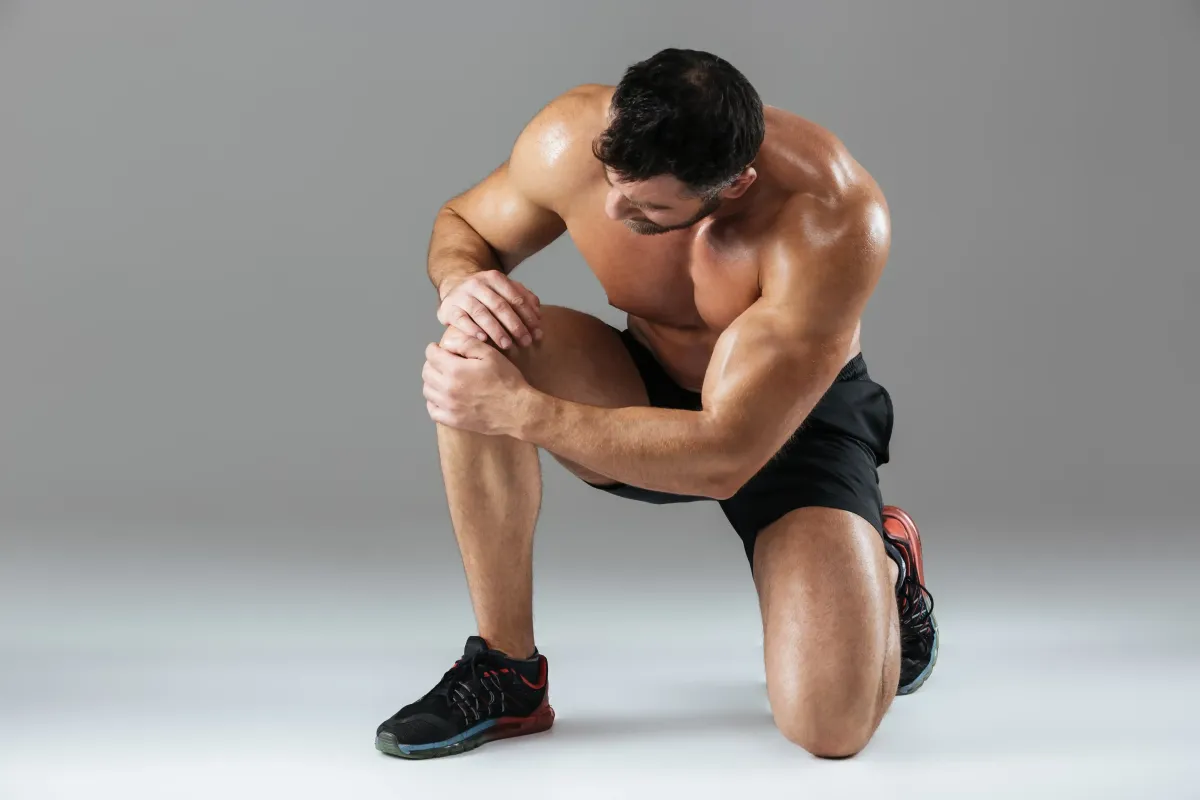
An ACL injury can change how you move, how confident you feel on your feet, and how safely you return to work, sports, or everyday routines. Recovery isn’t just about time—it’s about the quality of rehabilitation. At Clifton Physical Therapy, ACL rehabilitation is designed to rebuild knee control, strength, and trust through personalized care backed by clinical research.
Whether your injury occurred during athletics, exercise, or a simple misstep, early physical therapy plays a proven role in improving outcomes. Research shows that patients who begin structured ACL rehabilitation early experience better knee function, improved strength symmetry, and a lower risk of long-term joint degeneration. The focus is not only on healing, but on helping you move with confidence again.
Understanding the Role of the ACL in Knee Stability
The anterior cruciate ligament is one of the primary stabilizers inside the knee joint. It connects the thigh bone to the shin bone and controls how the knee responds to forward motion and rotation. This makes it essential for movements such as walking, stair climbing, turning, and sudden changes in direction.
An ACL injury occurs when the ligament is stretched beyond its capacity or torn due to excessive force. Many injuries happen without direct contact, often during quick pivots or awkward landings. Clinical studies show that a significant number of ACL tears occur alongside meniscus or cartilage injuries, which can complicate recovery if not addressed properly. ACL injuries are commonly classified as:
Mild sprain: Ligament fibers are stretched but stable
Partial tear: Some instability may be present
Complete rupture: Full tear with clear loss of knee control
When the ACL is fully torn, the knee often cannot stabilize itself during dynamic movement, making structured rehabilitation essential with or without surgery.
How an ACL Injury Affects Daily Movement and Function
An injured ACL disrupts the knee’s ability to stay stable under load. Many patients describe a feeling of the knee slipping, buckling, or giving way—especially when turning, stepping down, or changing direction. Even routine activities like getting out of a car or walking on uneven ground may feel uncertain.
Without proper ACL rehabilitation, these movement issues can persist. Long-term research links untreated knee instability to repeated injuries, progressive cartilage wear, and early osteoarthritis. That’s why ACL rehab is centered on restoring controlled movement patterns, muscle balance, and neuromuscular coordination—not just reducing pain or swelling.
The goal at Clifton Physical Therapy is to help your knee function reliably in real-life situations, not just during exercises in the clinic.
Signs and Symptoms That Suggest an ACL Injury
ACL injuries often happen suddenly and are difficult to ignore. While every case is different, common signs include:
A popping sound or sensation at the moment of injury
Noticeable swelling within hours
Deep or sharp pain in the knee
Difficulty bearing weight
Reduced ability to fully bend or straighten the knee
A sense of instability during movement
Some individuals can walk shortly after the injury, especially in straight lines. However, twisting, pivoting, or sudden movements often feel unsafe. These symptoms indicate that the knee’s stabilizing system may be compromised and should be evaluated promptly.
How ACL Injuries Are Properly Evaluated
A suspected ACL injury should never be ignored or “waited out.” Accurate assessment early on helps prevent secondary damage and speeds up recovery. At Clifton Physical Therapy, evaluation begins with a detailed movement-based assessment rather than relying on symptoms alone.
This includes reviewing how the injury occurred, current limitations, swelling patterns, and how the knee responds during specific functional movements. Orthopedic stability tests help identify ligament involvement, while gait and movement analysis reveal compensations that often go unnoticed.
When imaging is necessary, collaboration with local orthopedic providers ensures clarity. MRI scans are commonly used to confirm ligament integrity and identify related injuries to the meniscus or cartilage. Research shows that early, precise diagnosis allows rehabilitation plans to be better targeted, improving long-term knee function and return-to-activity rates.
Choosing the Right Recovery Path for Your ACL Injury
ACL injury treatment is not one-size-fits-all. The right approach depends on activity level, knee stability, lifestyle demands, and personal goals. For many patients, physical therapy is essential—whether surgery is part of the plan or not.
Conservative (Non-Surgical) Care May Include:
Swelling and pain control strategies
Temporary bracing when appropriate
Progressive physical therapy focused on strength, control, and movement quality
Clinical studies have shown that many individuals—especially non-athletes or recreational athletes—can regain high levels of function without surgery when rehab is structured and consistent.
Surgical Care May Be Considered When:
The knee repeatedly gives way
High-level athletic performance is required
Additional ligament or cartilage damage is present
Even when surgery is performed, pre- and post-operative physical therapy plays a measurable role in restoring strength, improving symmetry, and reducing re-injury risk.
Evidence-Based Physical Therapy Techniques for ACL Recovery
Successful ACL rehabilitation relies on restoring how the knee works as part of the entire lower body—not just strengthening one muscle group. Recovery programs are built using methods supported by long-term outcome studies.
Controlled Mobility Training
Restoring knee motion early helps prevent stiffness and supports healthy joint mechanics. Gradual flexion and extension exercises are progressed based on tissue healing and patient tolerance.
Progressive Strength Development
Rebuilding strength in the quadriceps, hamstrings, hips, and core reduces stress on the knee. Research shows that balanced strength between both legs is a key factor in safe return to activity.
Joint Awareness and Balance Retraining
Injury disrupts the body’s ability to sense knee position. Balance and coordination drills retrain the nervous system, improving stability and reducing the likelihood of future injury.
Hands-On Manual Techniques
Manual therapy helps manage swelling, improve soft tissue mobility, and restore normal joint movement. These techniques can improve comfort and allow more effective exercise progression.
Muscle Reactivation Support
When muscles fail to engage properly after injury or surgery, targeted stimulation and activation techniques help restore neuromuscular control and prevent weakness.
Low-Impact Conditioning Options
Water-based or reduced-load training allows patients to build endurance and mobility without overstressing healing tissues, especially in early to mid-rehab phases.
Return-to-Activity Movement Training
As recovery progresses, therapy shifts toward sport- or task-specific drills. These movements focus on safe landing mechanics, controlled acceleration, and confidence during dynamic activities.
See How to Know If Your Knee Is Ready to Return to Sport
Watch a quick breakdown of functional signs and movement tests that may help guide return-to-sport decisions after ACL or knee injury recovery.
Why Structured Rehab Lowers the Risk of Re-Injury
Research consistently shows that incomplete or rushed ACL rehab increases the risk of a second injury—often within the first year of return to sport or high-level activity. Patients who complete full rehabilitation programs demonstrate better movement symmetry, improved strength ratios, and safer mechanics during cutting and pivoting tasks.
If you’re dealing with knee instability, pain, or recovery after an ACL injury or surgery, Clifton Physical Therapy is here to help. Call (973)-241-1338 to schedule an evaluation.
What patients are saying
"I recently had ankle surgery and Clifton PT has been nothing short of amazing! My goal was to get back to playing soccer as quick as possible before the college season started and so far I'm right on track. Izzy, Bianca, Tiff, and John have gone above and beyond to make sure I'm back to 100%. Couldn't be more grateful to be treated by the best team ever!." - Nat Rufino

All the therapists at Clifton Physical Therapy are awesome, but I spend most of my time with Izzy and Bianca—and they’ve been amazing. They’re enthusiastic, knowledgeable, and always take the time to explain what I’m doing and what my issues are. Their positive energy and clear communication make a big difference in my recovery." - Bryan Tompkins
"Going Clifton physical therapy was one of the best thing that came out of my back pain! Every single staff member is amazing and cares for your recovery! I have been with them for the past couple of months and now continuing their workout program! I can’t recommend them enough! Tiffany, Izzy, Bianca and everyone else I have worked with there! Can’t rave about them enough!!." - Monica Mehta
"Clifton Physical Therapy has been a great place for me to heal my meniscus tear. The staff is very knowledgeable and friendly, and has been extremely helpful in guiding me through my recovery. I highly recommend their services.." - Kelly Bevando
Clifton Physical Therapy
✆ Phone (appointments): (973)-241-1338
Address: 1059 Bloomfield Ave, Clifton, NJ 07012
Clifton Physical Therapy | cliftonphysio.com


