
10 Causes of Lower Leg Pain at Night
Clifton Physical Therapy
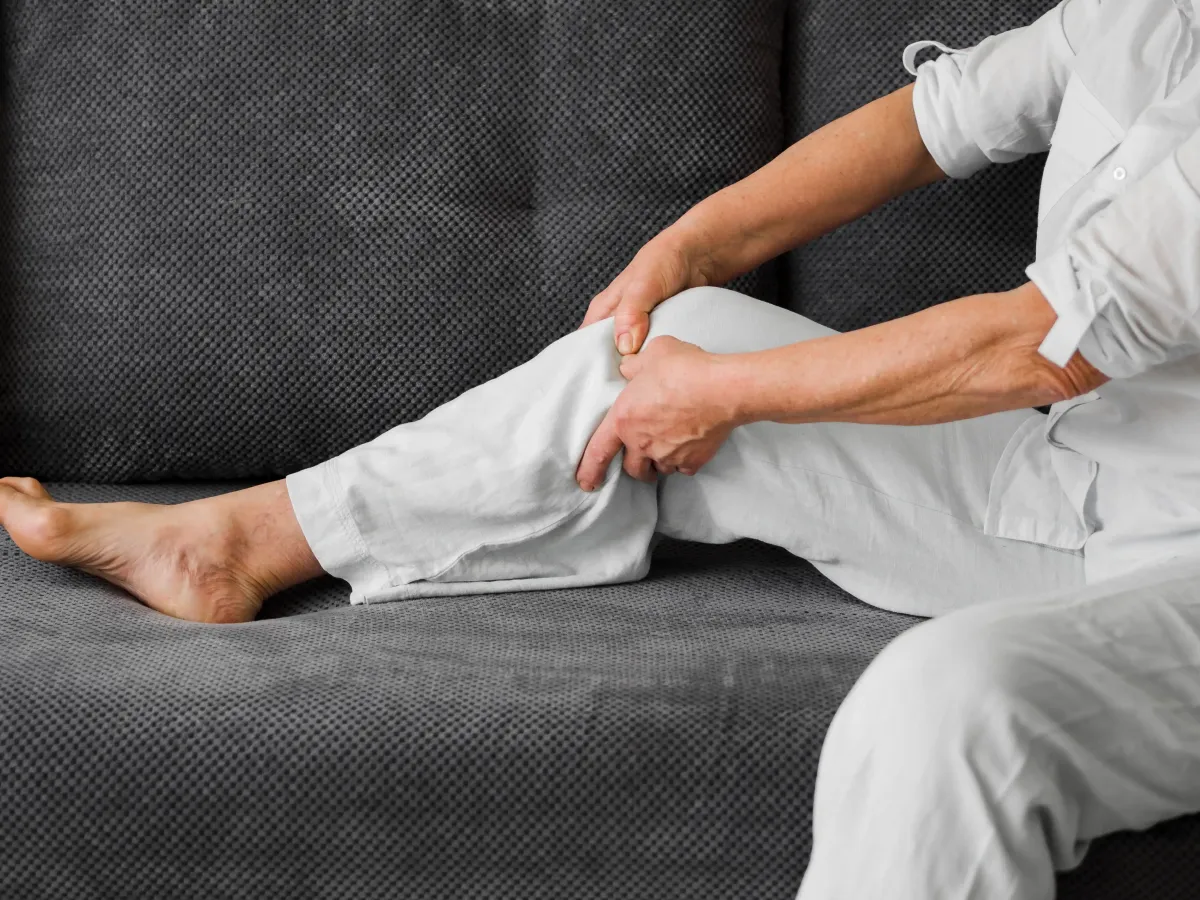
Why Do My Lower Legs Hurt More at Night?
Lower leg pain at night can be frustrating, especially when it interferes with sleep. After a long day of standing, walking, or sitting, your legs have already handled significant stress. When you finally lie down, changes in circulation, muscle activity, and nerve sensitivity can make underlying issues more noticeable.
Nighttime leg pain is usually a symptom rather than a condition itself. It may feel like cramping, throbbing, aching, or even tingling. In some cases, it’s harmless and temporary. In others, it may point to an injury or a medical condition that needs attention.
What Are the Most Common Causes of Lower Leg Pain at Night?
There isn’t a single reason behind nighttime leg pain. It typically falls into three main categories:
Muscle and joint-related issues (like cramps or inflammation)
Circulation problems (such as vein or artery conditions)
Nerve-related or medical conditions
Below are the most common causes you should be aware of.
1. Muscle Cramps During Sleep
Muscle cramps, often called “charley horses,” are one of the most frequent reasons for lower leg pain at night. They usually affect the calf muscles but can also occur in the feet or thighs.
These cramps happen when a muscle suddenly tightens and doesn’t relax. The pain can last from a few seconds to several minutes, and soreness may linger afterward.
Common triggers include:
Dehydration
Low electrolyte levels (like sodium or magnesium)
Muscle fatigue from exercise
Sitting or staying in one position for too long
Sometimes, even small movements while sleeping can trigger a cramp.
What helps:
Gentle stretching before bed
Staying well-hydrated throughout the day
Light movement or walking when a cramp occurs
If cramps are frequent, it’s worth getting evaluated to rule out underlying issues.
2. Muscle or Tendon Inflammation
If your lower legs feel sore, tender, or achy at night, inflammation could be the reason. This often happens after overuse, intense activity, or minor injuries.
Inflamed muscles and tendons may become more painful at night because your body is in a recovery phase during sleep. Increased blood flow to healing tissues can heighten sensitivity.
Signs to watch for:
Dull, persistent aching
Pain that worsens after activity
Tenderness when touching the area
What you can do:
Rest the affected leg
Use ice or heat packs carefully
Adjust your sleeping position for comfort
If the pain keeps returning or gets worse, it may indicate a more serious strain or tendon issue that needs professional care.
3. Bone Stress or Fractures
Pain that feels deep, localized, and doesn’t improve with rest could be related to the bone rather than the muscles.
A fracture often results from a specific injury, like a fall or direct impact. In contrast, stress fractures develop gradually from repeated strain, especially in people who are active or on their feet a lot.
Key differences:
Fracture: Constant pain, even at rest and at night
Stress fracture: Pain during activity, sometimes noticeable at night
Typical symptoms:
Sharp or aching pain in one specific spot
Swelling or tenderness
Pain that doesn’t settle with rest
This type of pain should not be ignored. Proper diagnosis, often with imaging, is important to prevent complications.
4. Blood Clots (Deep Vein Thrombosis)
A blood clot in the leg, known as deep vein thrombosis (DVT), is a serious condition that can cause nighttime leg pain.
It usually affects one leg and may develop after long periods of immobility, such as long flights, bed rest, or recovery after surgery.
Warning signs include:
Throbbing or cramping pain in one leg
Swelling and warmth
Red or discolored skin
Unlike simple muscle pain, DVT symptoms tend to persist and may worsen over time.
This condition requires urgent medical attention because the clot can travel to the lungs and become life-threatening.
5. Vein Problems and Blood Pooling
If your legs feel heavy, achy, or tired by the end of the day and worse at night, vein-related issues could be the reason.
When the valves inside your veins don’t work properly, blood can pool in the lower legs instead of flowing back to the heart. This increased pressure builds up throughout the day and becomes more noticeable when you lie down.
Common signs:
Dull aching or heaviness in the legs
Visible, bulging veins
Swelling around the ankles
Itching or skin changes around the lower leg
What helps:
Elevating your legs before bed
Staying active during the day
Simple calf movements to improve circulation
6. Reduced Blood Flow (Peripheral Artery Issues)
Unlike vein problems, artery-related conditions involve reduced blood supply to the legs. This can lead to cramping or aching pain, especially in the calves.
Some people notice that their pain improves when they hang their legs off the bed or stand up. That’s because gravity helps improve blood flow.
Typical symptoms:
Cramping pain during activity that eases with rest
Pain at night relieved by lowering the legs
Cold feet or slower healing wounds
Higher risk if you:
Smoke
Have diabetes or high cholesterol
Have high blood pressure or heart disease
This type of pain should be taken seriously, as it’s linked to overall vascular health.
7. Nerve-Related Pain
Nerve pain feels different from muscle pain. It’s often described as sharp, burning, tingling, or “pins and needles.”
At night, certain sleeping positions can compress or irritate nerves, making symptoms more noticeable. In some cases, nerve damage or underlying conditions may be involved.
Common signs:
Tingling or numbness in the legs
Shooting or electric-like pain
Pain that changes with movement or position
Possible causes:
Nerve compression (like from the lower back)
Peripheral neuropathy
Long-standing conditions such as diabetes
8. Pregnancy-Related Leg Pain
Leg pain at night is very common during pregnancy, especially in the later stages. As your body changes, several factors contribute to discomfort:
Increased blood volume
Added body weight
Pressure from the uterus on blood vessels
This can lead to swelling, fatigue, and aching in the legs, particularly at night.
What may help:
Light stretching before bed
Gentle massage
Keeping legs elevated when resting
9. Gout and Joint Inflammation
Gout is a type of inflammatory arthritis that can cause sudden, intense pain, often at night. It commonly starts in the big toe but can affect other joints in the lower leg. It happens when uric acid builds up and forms crystals in the joint.
Symptoms include:
Severe, sudden pain
Redness and swelling
Warmth around the joint
Flare-ups are often linked to diet, particularly foods high in purines such as red meat, seafood, and alcohol.
Medical treatment is usually needed to manage gout effectively and prevent future attacks.
10. Underlying Medical Conditions
In some cases, nighttime leg pain is linked to broader health conditions rather than a single local issue.
These may include:
Nerve disorders
Kidney problems
Spinal conditions like narrowing of the spine
Side effects of certain medications
Age can also play a role, as muscle function, circulation, and nerve health change over time.
What Symptoms Should You Not Ignore?
While many cases of leg pain at night are harmless, some signs require prompt attention:
Pain in one leg with swelling, redness, and warmth
Persistent pain that doesn’t improve with rest
Numbness or weakness
Pain that wakes you regularly from sleep
How Is Lower Leg Pain at Night Diagnosed?
A proper diagnosis starts with understanding your symptoms and medical history. A healthcare provider may ask:
When does the pain occur?
What does it feel like?
Does anything relieve or worsen it?
Depending on the suspected cause, further tests may include:
Blood tests
Ultrasound (for circulation issues)
X-rays or advanced imaging
The goal is to identify the exact cause so treatment can be targeted and effective.
What Can You Do to Relieve Leg Pain at Night?
For mild or occasional pain, simple strategies can make a big difference:
Stretch your legs before going to bed
Stay hydrated throughout the day
Avoid sitting or standing in one position for too long
Use heat or ice packs carefully
Try gentle movement if pain wakes you up
When Should You Seek Professional Help?
If your leg pain is frequent, worsening, or affecting your sleep regularly, it’s time to get it checked.
Early diagnosis can prevent complications and help you recover faster. Whether the issue is muscular, circulatory, or nerve-related, the right treatment plan can significantly improve your comfort and sleep quality.
If your lower leg pain is keeping you up at night, don’t wait for it to get worse. The team at Clifton Physical Therapy can pinpoint the cause and create a treatment plan that actually works. Call (973)-241-1338 to book your appointment today.
What patients are saying
"I recently had ankle surgery and Clifton PT has been nothing short of amazing! My goal was to get back to playing soccer as quick as possible before the college season started and so far I'm right on track. Izzy, Bianca, Tiff, and John have gone above and beyond to make sure I'm back to 100%. Couldn't be more grateful to be treated by the best team ever!." - Nat Rufino

All the therapists at Clifton Physical Therapy are awesome, but I spend most of my time with Izzy and Bianca—and they’ve been amazing. They’re enthusiastic, knowledgeable, and always take the time to explain what I’m doing and what my issues are. Their positive energy and clear communication make a big difference in my recovery." - Bryan Tompkins
"Going Clifton physical therapy was one of the best thing that came out of my back pain! Every single staff member is amazing and cares for your recovery! I have been with them for the past couple of months and now continuing their workout program! I can’t recommend them enough! Tiffany, Izzy, Bianca and everyone else I have worked with there! Can’t rave about them enough!!." - Monica Mehta
"Clifton Physical Therapy has been a great place for me to heal my meniscus tear. The staff is very knowledgeable and friendly, and has been extremely helpful in guiding me through my recovery. I highly recommend their services.." - Kelly Bevando
Clifton Physical Therapy
✆ Phone (appointments): (973)-241-1338
Address: 1059 Bloomfield Ave, Clifton, NJ 07012


